
Looking Beyond Individual Products
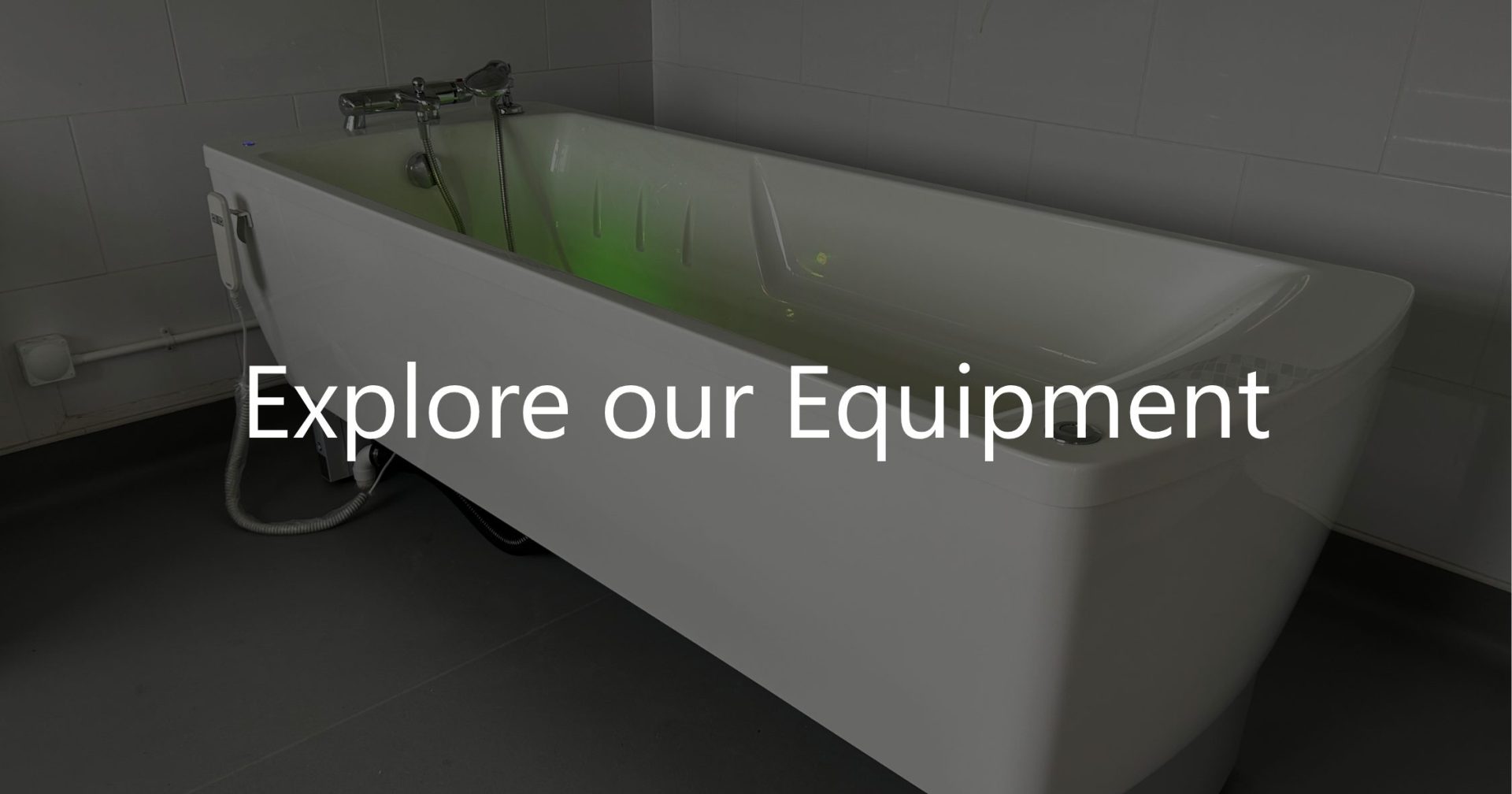
It can be tempting to focus on specific items – a bath, a basin, a hoist. But successful adaptations are about more than individual products. They’re about how the whole space works together:
- How someone moves through it
- How care is delivered
- How fatigue is managed
- How safety is maintained
- How other people in the household interact with the space
Key Challenges
Bathroom use involves multiple tasks – bathing, washing, toileting, transferring – all of which can become more demanding over time. Key challenges often include:
- Fatigue during everyday activities
- Reduced strength and control, affecting positioning
- Increasingly complex transfers
- Maintaining skin integrity and hygiene
Each of these needs to be considered when designing the space.
Designing for Progression
One of the most important considerations is progression. Will this space still work as needs change? That might mean:
- Allowing space for future hoisting
- Choosing height-adjustable equipment
- Planning layouts that accommodate carers
- Selecting solutions that can adapt over time
Designing for change early can reduce the need for more disruptive adaptations later.
From Equipment to Environment
Good outcomes don’t come from selecting a product in isolation. They come from designing a bathroom that works in real life:
- Enough space for safe movement and assistance
- Equipment that supports both independence and care
- Layouts that reflect how the space will actually be used
Because ultimately, it’s not just about what the equipment can do – it’s about what people can do within the space.
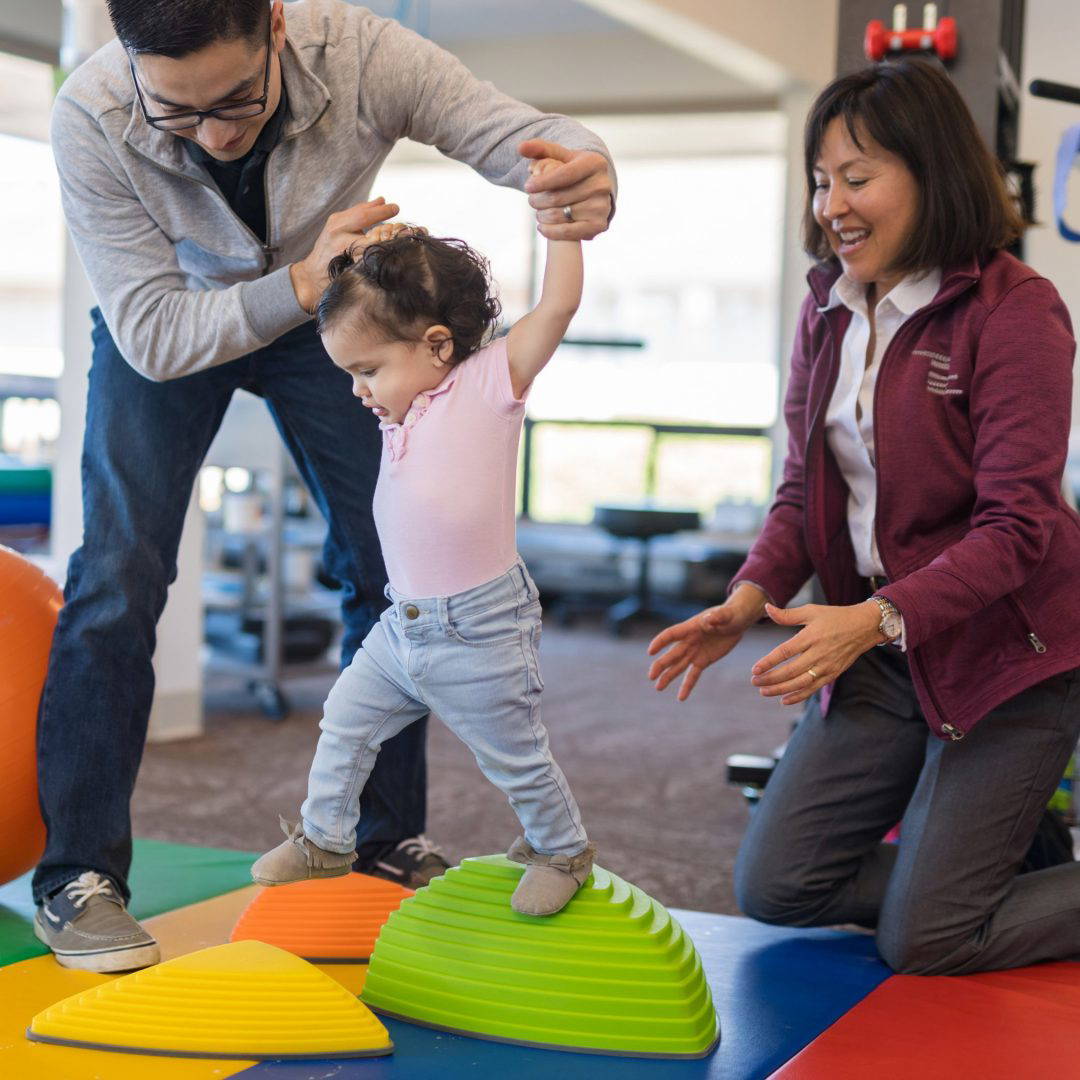
Supporting Independence
The right environment can help individuals maintain independence for as long as possible – even as their condition progresses. And where independence isn’t possible, it can still support:
- Comfort
- Dignity
- Safety
- Ease of care
A More Thoughtful Approach
There is no one-size-fits-all solution for bathroom adaptations and muscular dystrophy. But there is a better approach:
- Plan early
- Think ahead
- Design for change
- Focus on the individual and other family members