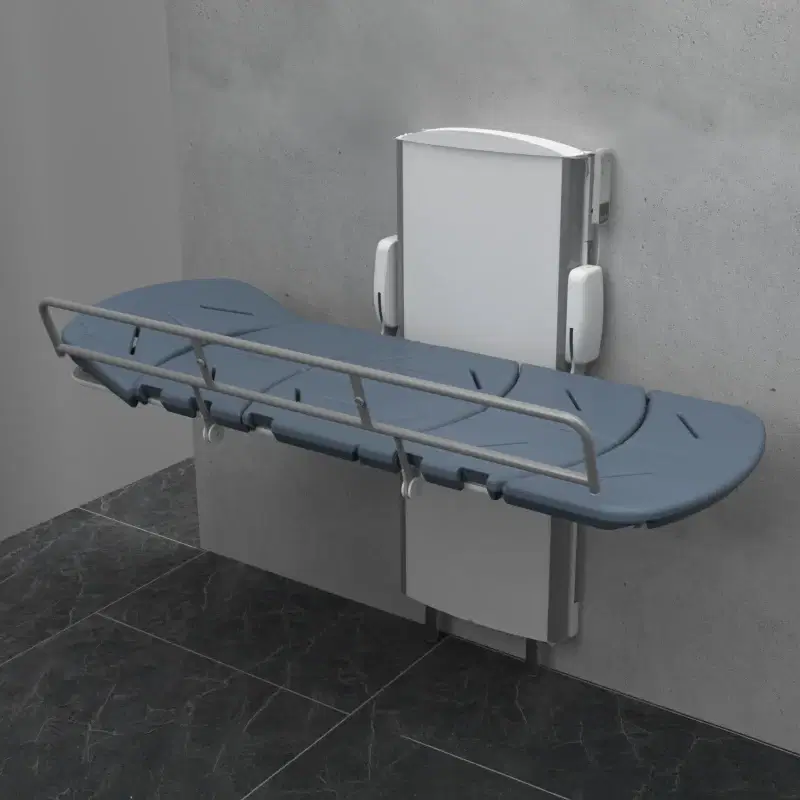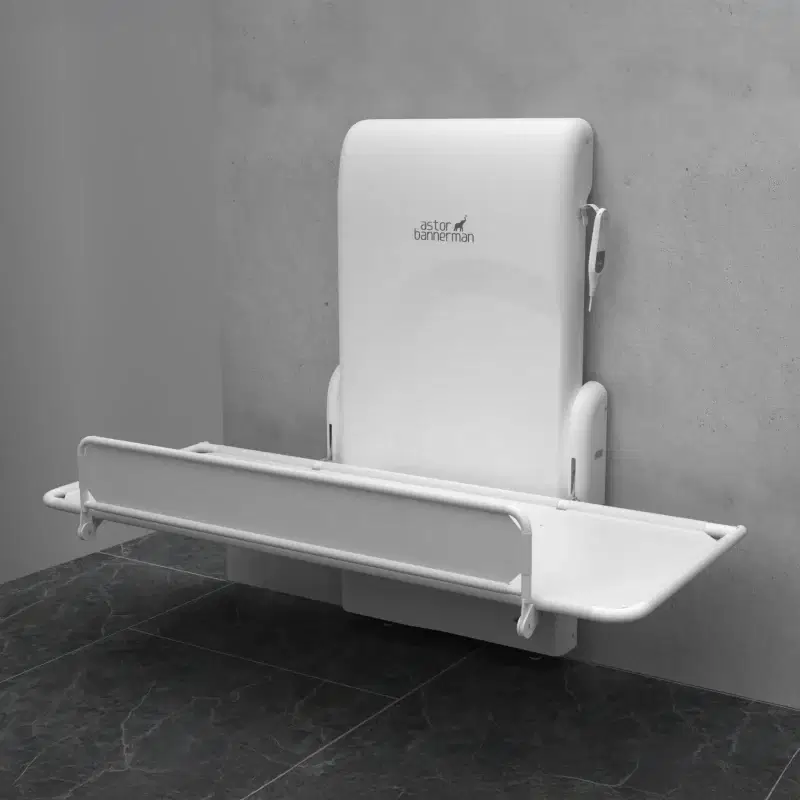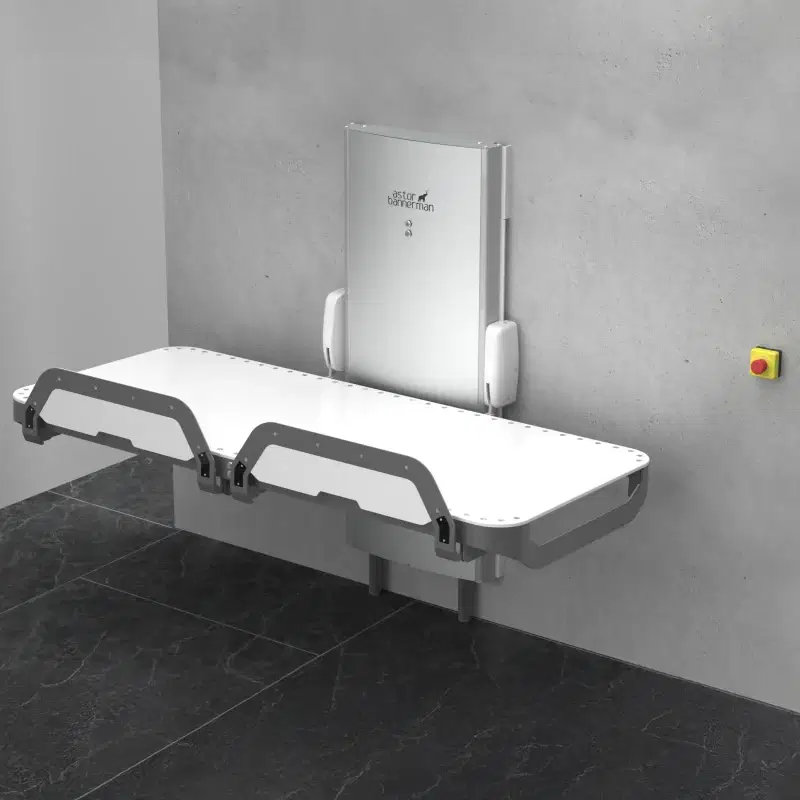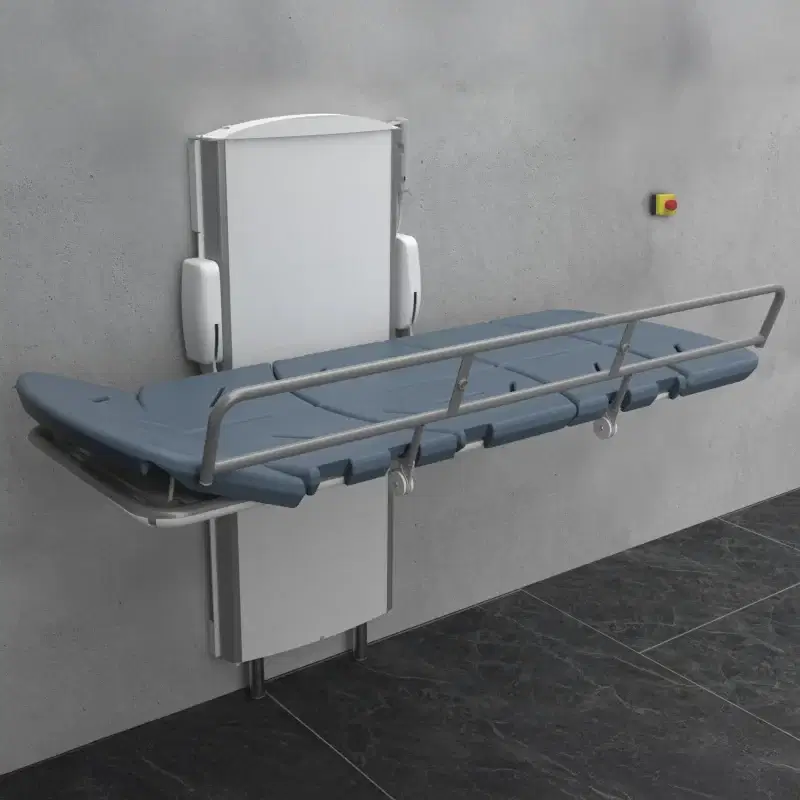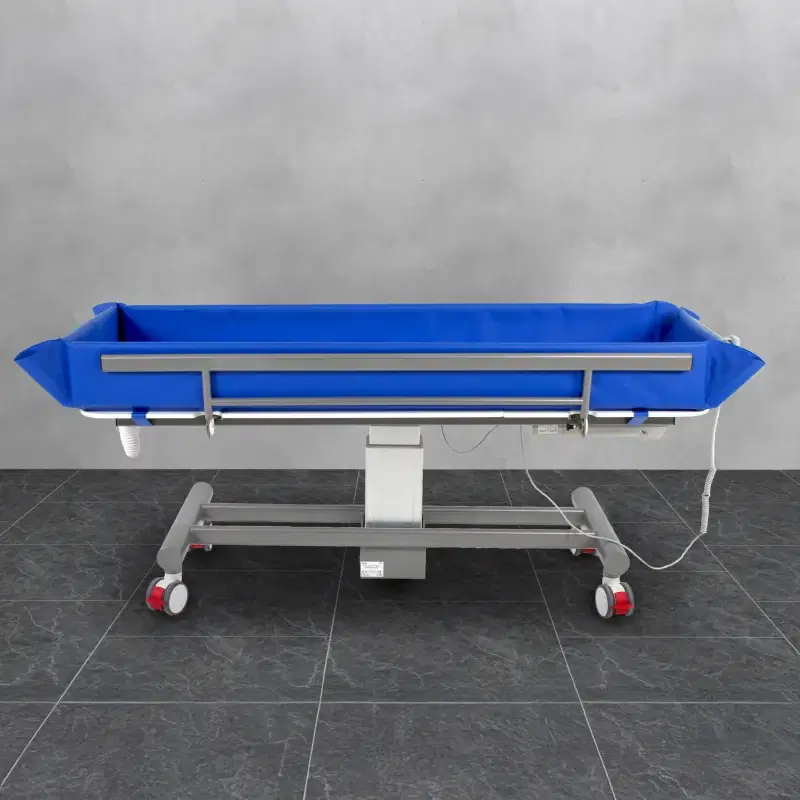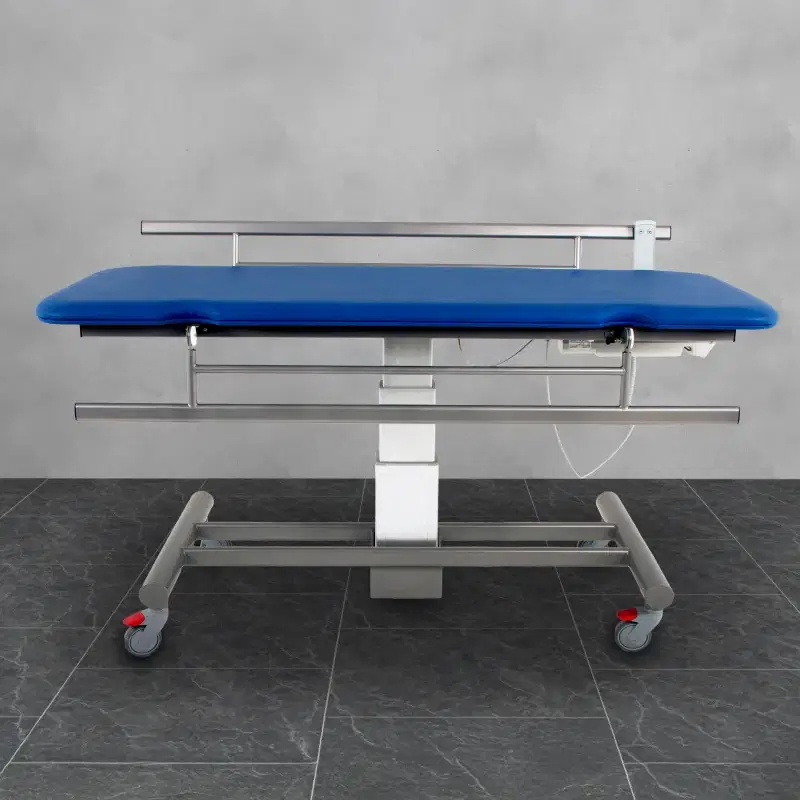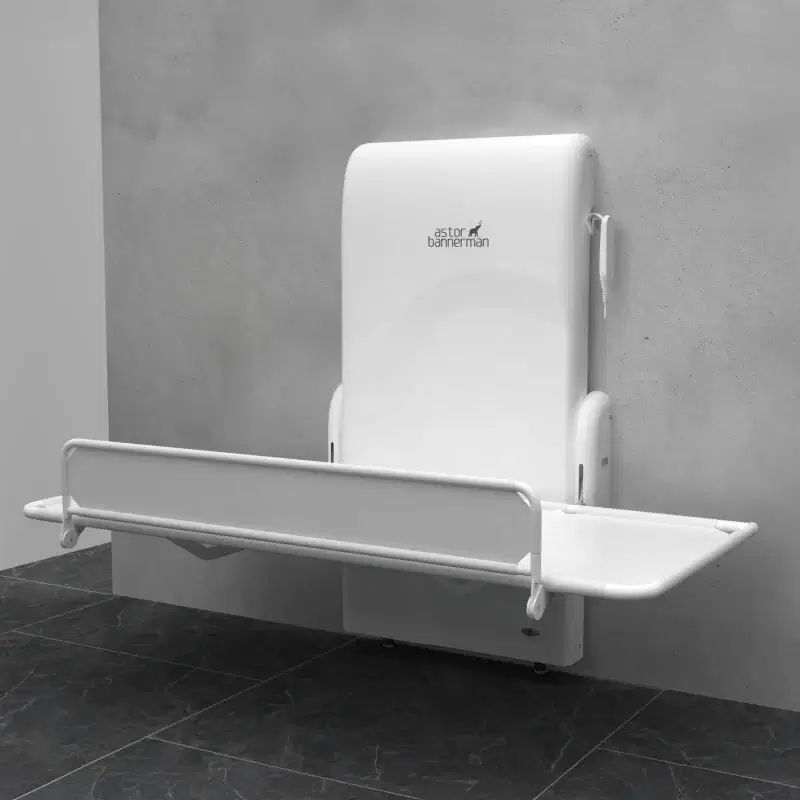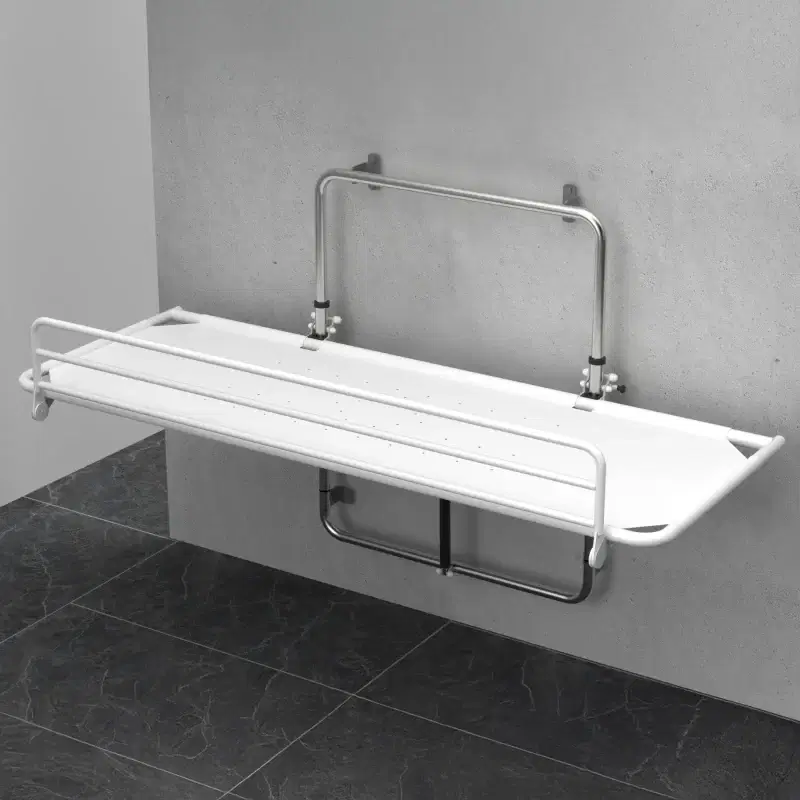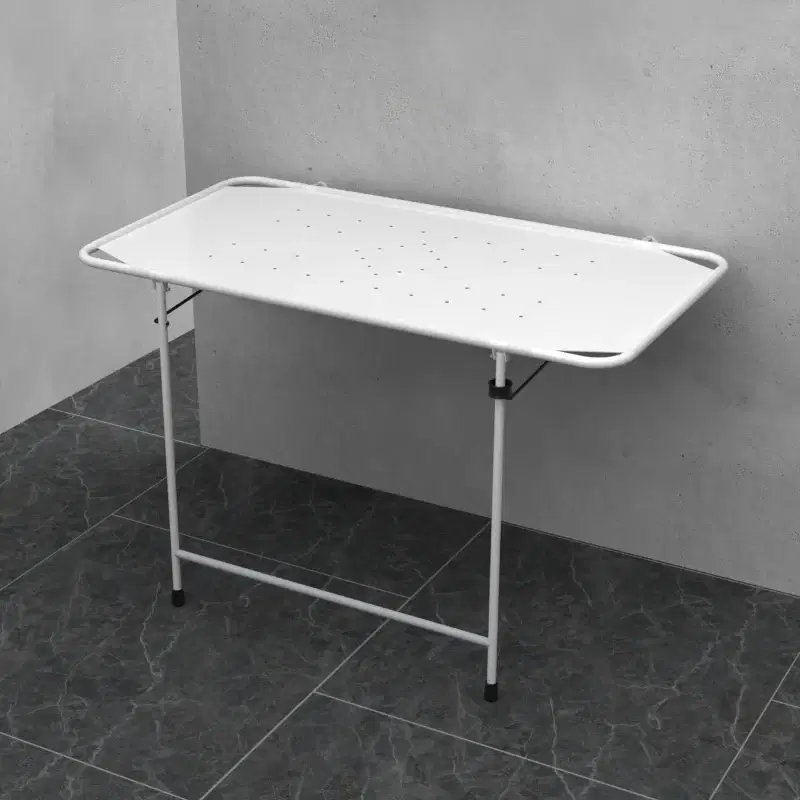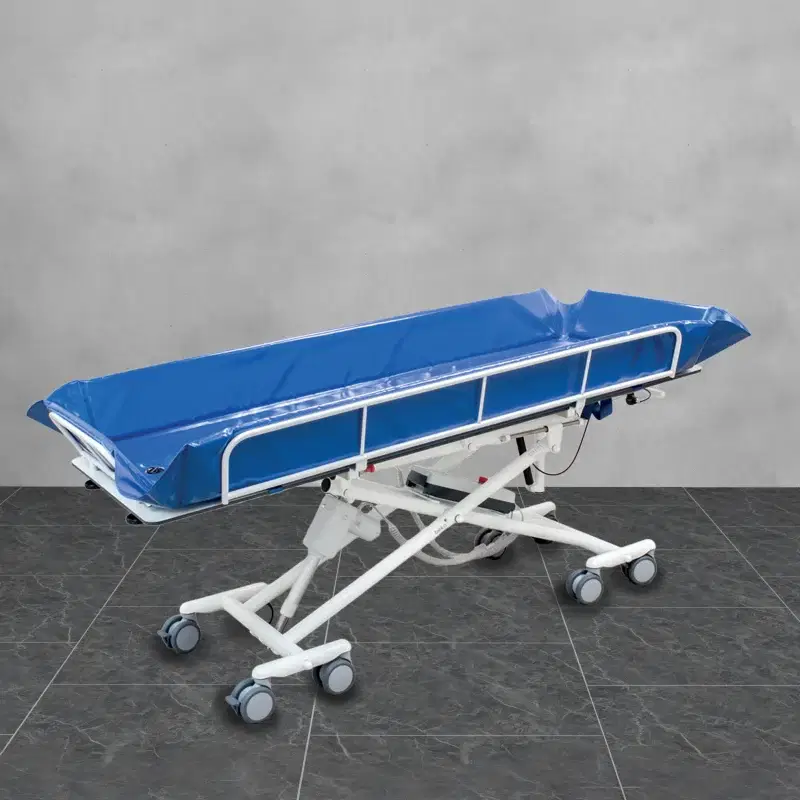
BEKA Sina 800
All Products, Changing in Changing Places, Changing In Education, Changing Tables, Showering

Our mobile and wall mounted changing tables are designed to facilitate safe, hygienic, comfortable and dignified use for users and their carers during daily routines in all settings.
For questions, product demonstrations or more information, please get in touch with our team here.
Our mobile and wall mounted changing tables are designed to facilitate safe, hygienic, comfortable and dignified use for users and their carers during daily routines in all settings.
For questions, product demonstrations or more information, please get in touch with our team here.
Variable height changing tables provide safe, ergonomic care solutions, designed to reduce strain for carers while the user is changing and/or showering. They can also make it easier for people to be transferred from other pieces of equipment and furniture, or for people to retain some independence by self-transferring from the floor.
Select a table based on user needs, space, user size/age, and whether it is to be at home, in schools, hospitals, or Changing Places facilities. A wall-mounted changing table can save space but may require wall reinforcement. Consider whether it will be used with a shower or just for changing.
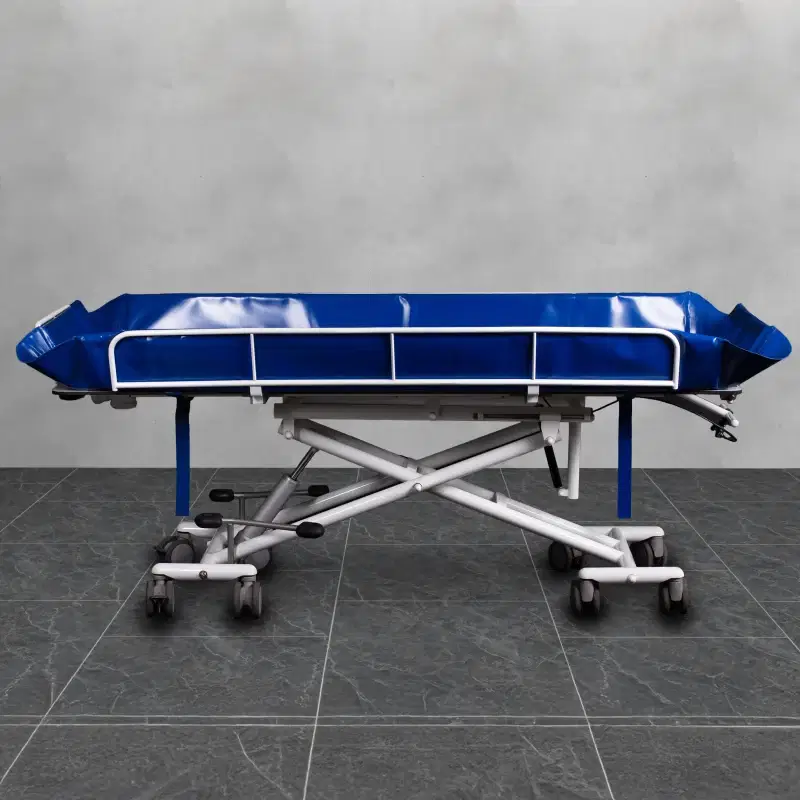
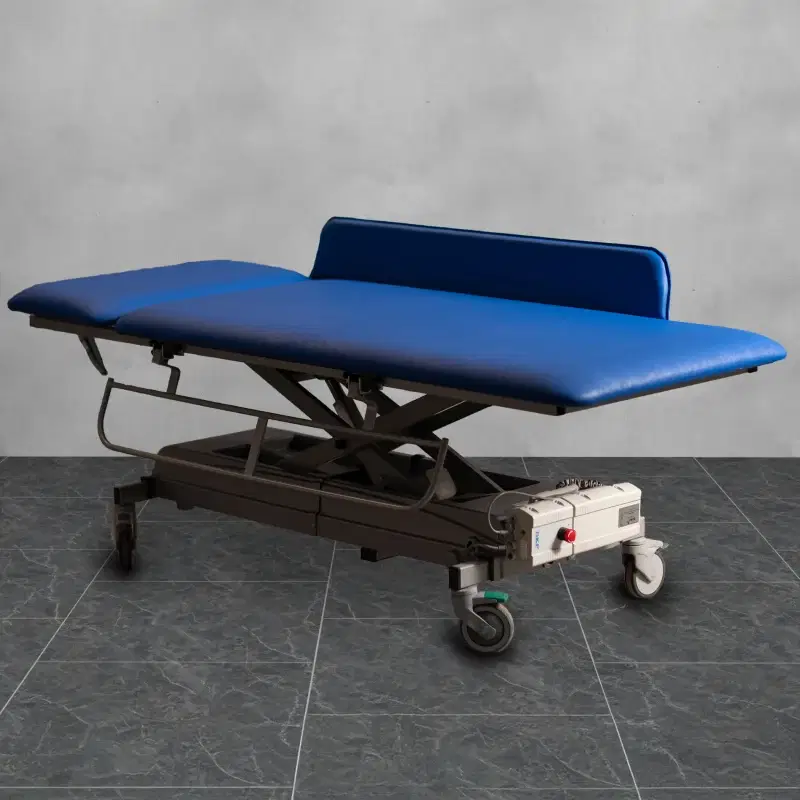
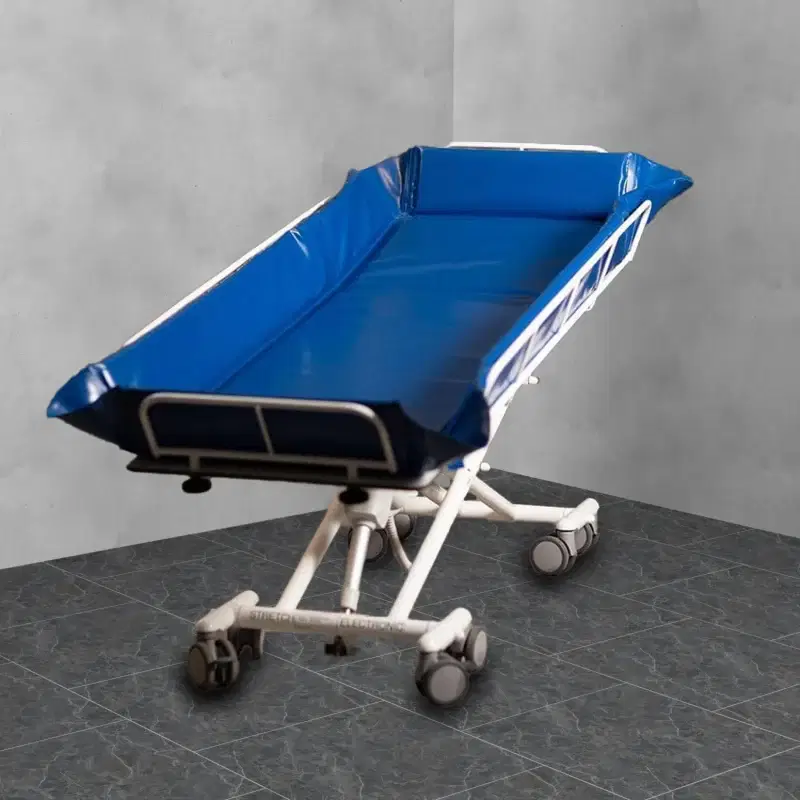
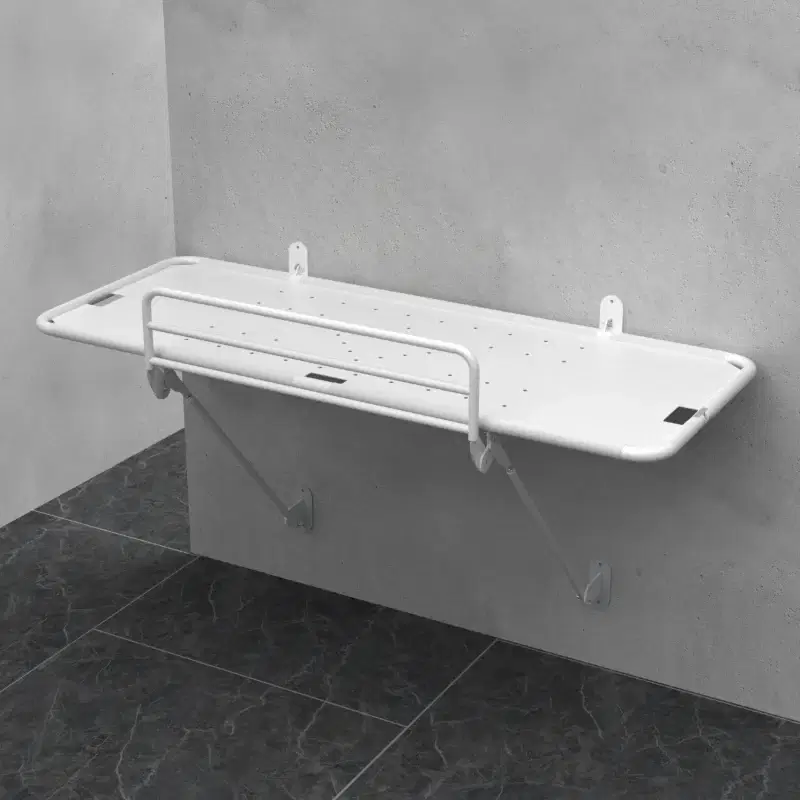
A wall-mounted changing table can be folded away to save space and avoid collisions for partially sighted people or people with sight perception issues. It is also a very sturdy option for people that are able to self transfer. However, it does require the wall to be reinforced. but may require wall reinforcement. A mobile changing table or shower trolley facilitates double-sided care which may be crucial for some people with complex care needs. However, as it can’t be folded away, it may cause space issues. It is also by its very nature mobile, so can be removed from a public room maliciously. It can also be used more flexibly across a site – both a benefit and potential issue if it can’t be located when needed. The fact that it moves can also make it less stable for side transfers or people that are sensitive to movement.
Some of the features required will depend on the needs of the person who the changing table is for. In general, look for adjustable height, durable and easy to clean surfaces, safety features, shower tray, drainage, and availability of compatible accessories such as cushions or pads.
A changing bench can provide a secure, hygienic and accessible place for people with complex needs to be changed, and, depending on the type of changing table chosen, washed or showered.
Changing beds can be installed in many locations (at home, in schools, in Care Homes, in Changing Places Toilets). Proper installation and regular cleaning maintain hygiene and ensure long-lasting, reliable performance in care environments. Choosing a changing table that is suitable for its environment is key to its longevity. For public spaces especially, it is important to choose a changing table designed to be robust and vandal proof.
| Wall Mounted CHANGING TABLES | 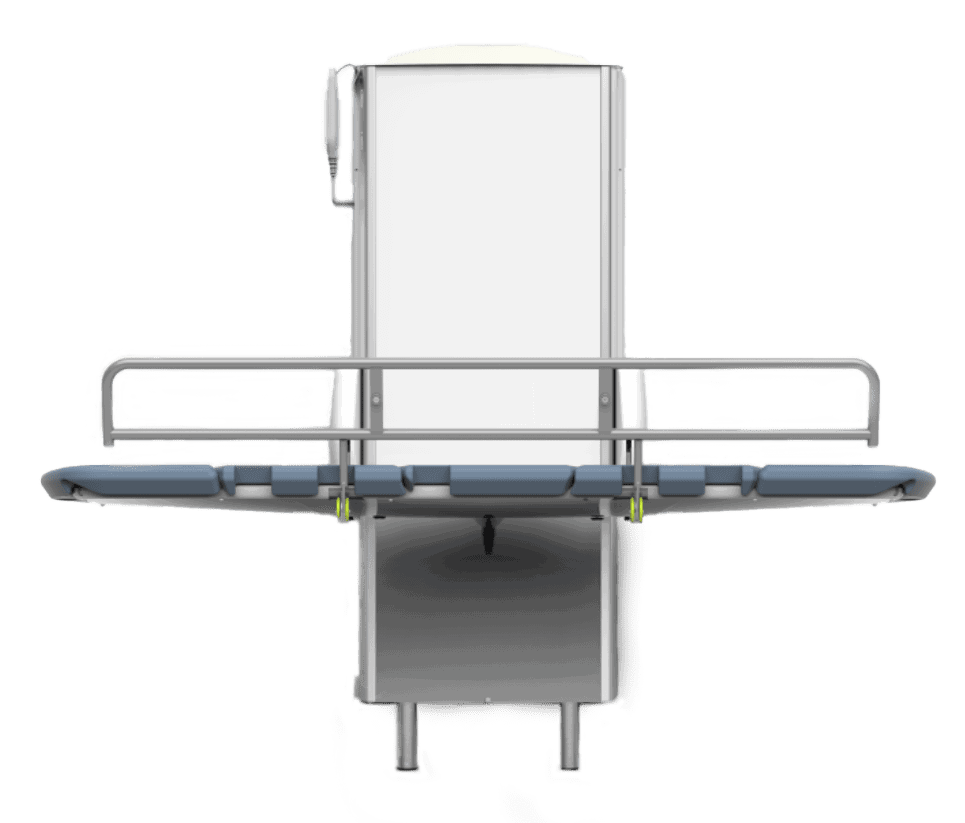 CTX2 |  CTX2-CP | 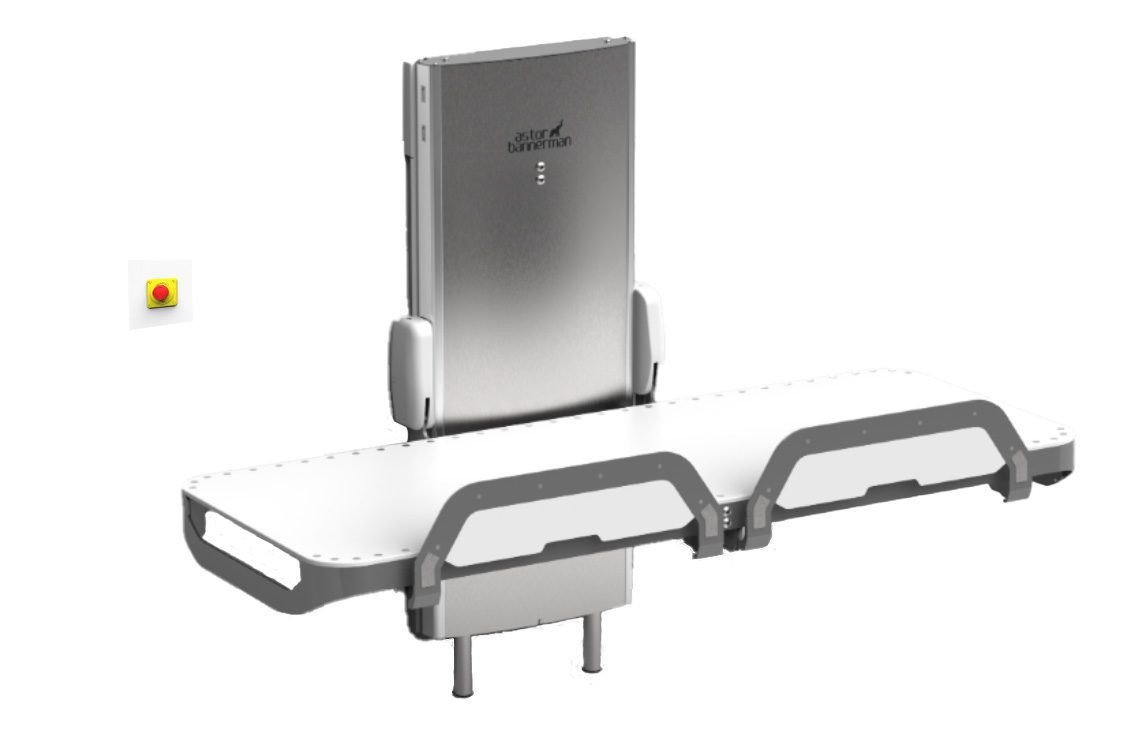 Invincible | 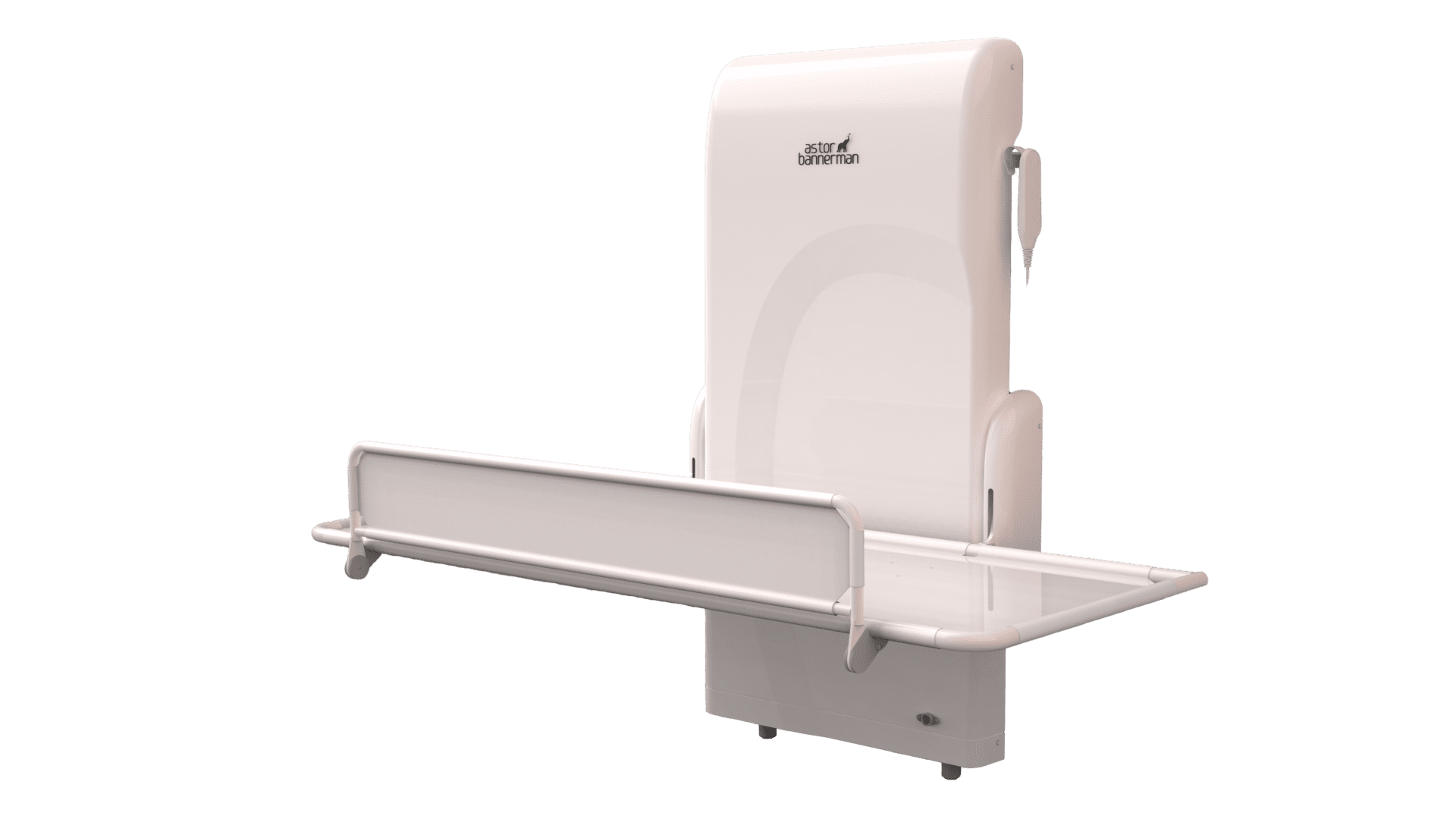 CTE3 Nivano |  CTE3-CP | 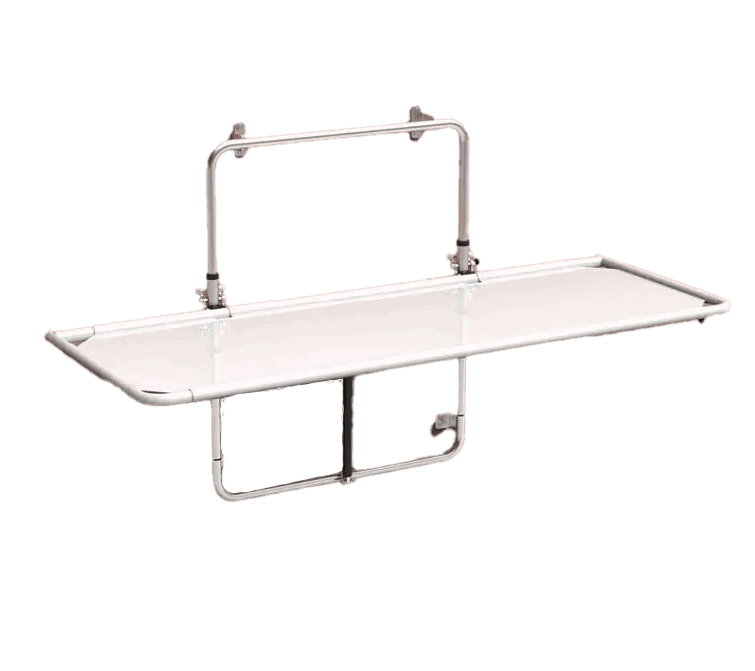 CTM3 | 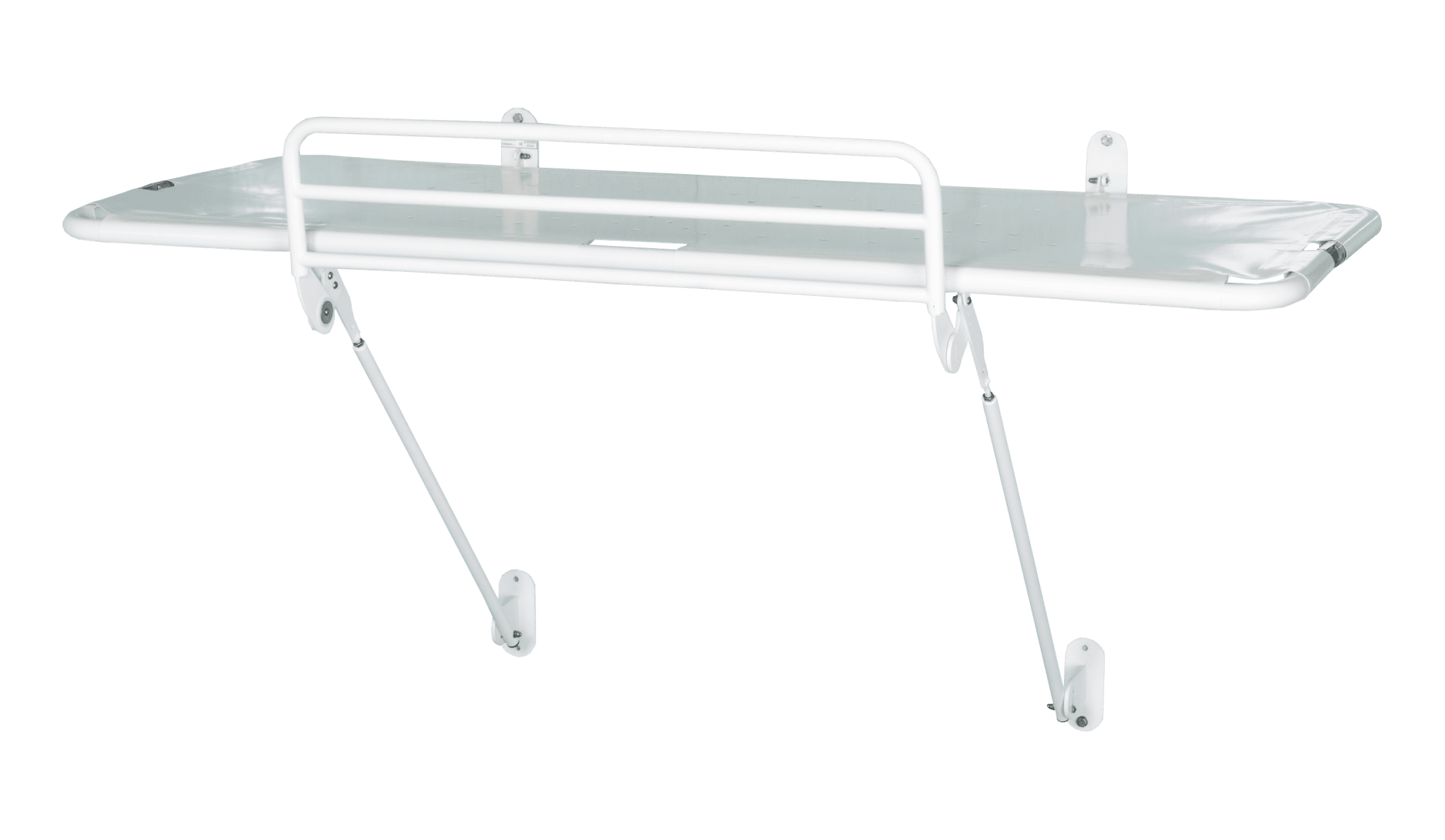 WN |  OB |
| Maximum working load (kg) | 200 | 200 | 227 | 150 / 220 | 200 | 150 | 130 | 130 |
| Height adjustment (mm) | 740 | 740 | 740 | 600 | 600 | 300 | - | - |
| Highest (mm) | 1040 | 1040 | 1040 | 975 | 975 | - | - | - |
| Lowest | 300 | 300 | 300 | 375 | 375 | - | - | - |
| Mattress width (mm) | 700 | 700 | 800 | 700 | 800 | 700 | 660 | 800 |
| Mattress length (mm) | 1500/ 1800 | 1800 | 1800 | 1000 - 1900 | 1800 | 1200 / 1900 | 1000 / 1900 | 1200 / 1900 |
| Integrated shower tray and waste hose | Yes | Yes | - | - | - | - | - | - |
| Mattress type | Padded Polyurethane | Padded Polyurethane | Cut Graffiti Resistant Polyethylene | Durable non-rip high tension vinyl stretcher | Durable non-rip high tension vinyl stretcher | Durable non-rip high tension vinyl stretcher | Durable non-rip high tension vinyl stretcher | Durable non-rip high tension vinyl stretcher |
| Integrated light | Yes | Yes | - | - | - | - | - | - |
| Foldaway guard | Yes | Yes | Yes (split) | Optional | Yes | Optional | Optional | Optional |
| Handset operation | Yes | Yes | Optional | Yes | Yes | - | - | - |
| Button Operation | - | - | Yes | - | - | - | - | - |
| Cut and graffiti resistant | - | - | Yes | - | - | - | - | - |
| IK10 robust tested - highest level | - | - | Yes | - | - | - | - | - |
| Emergency stop button | - | Yes | Yes | - | - | - | - | - |
They improve safety and comfort, reduce carer strain, and support dignified care. They also prolong independence for those able to self-transfer.
Suitable for in homes, care homes, hospitals, schools, and Changing Places Toilet facilities. Any place that a person may otherwise use a toilet.
Yes – adult-sized tables are available for use anywhere and are always included in Changing Places Toilets. We offer changing tables in a range of sizes and widths. However, it is important to future proof any decision to install a Changing Table – even if it is going to be used for child initially, always install an adult changing table where possible to cater for future growth and usage.
Guard rails and emergency stop buttons, as well as optional guard and wall pads are some of the safety features available for changing tables.
Start with who will be using the changing table and their requirements. Wall-mounted tables offer more stability and a better self-transfer option and can be folded away to save space and remove potential collision risk for visually impaired people, while mobile units offer flexible use across multiple rooms, and enable double-sided care for people with more complex care needs.