Changing Places In Historic Buildings
Making historic venues fully inclusive with technically compliant and sensitively integrated Changing Places Toilets.Why Changing Places Matter in Historic Buildings
As demand for inclusive access grows, heritage and historic buildings — from cathedrals and galleries to National Trust properties are increasingly expected to provide Changing Places Toilets.
These specialised toilets are essential for people with complex disabilities who cannot use standard accessible toilets safely or with dignity.
Key Benefits:
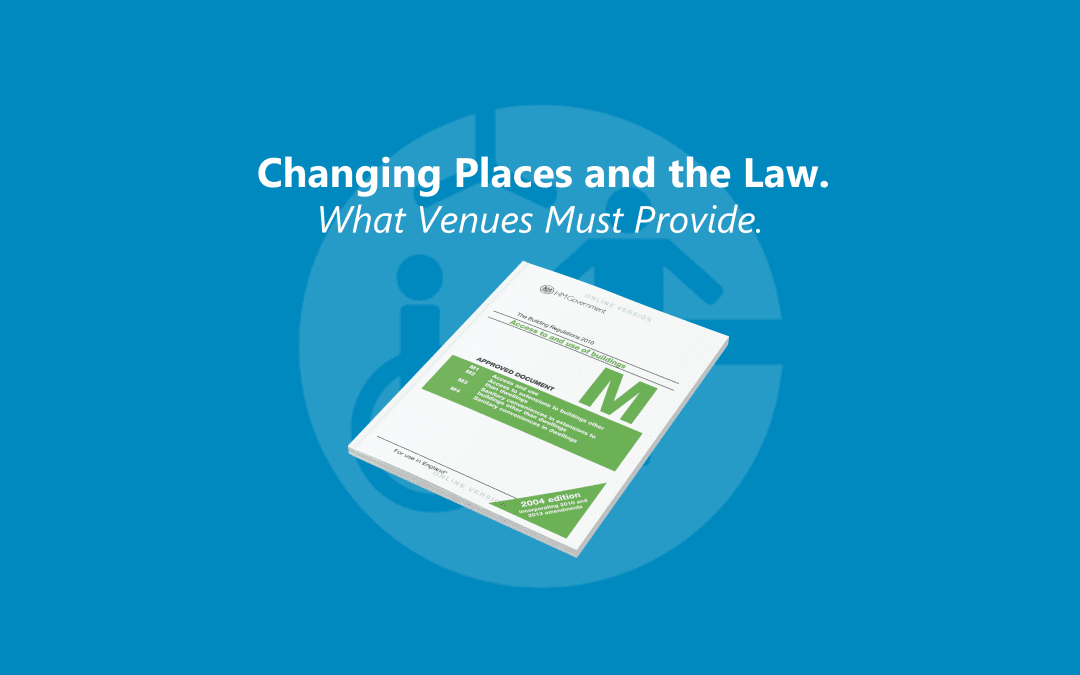
Legal Compliance: Meets the Building Regulations (Approved Document M / BS 8300) and evolving accessibility standards on public buildings.
Inclusive Experience: Enables people with profound and multiple disabilities and their carers to fully engage with heritage, culture, and community spaces.
Visitor Reach: Large public venues attract diverse audiences — ensuring accessibility increases dwell time, satisfaction and engagement.
What’s Required for a Compliant Changing Places Toilet?
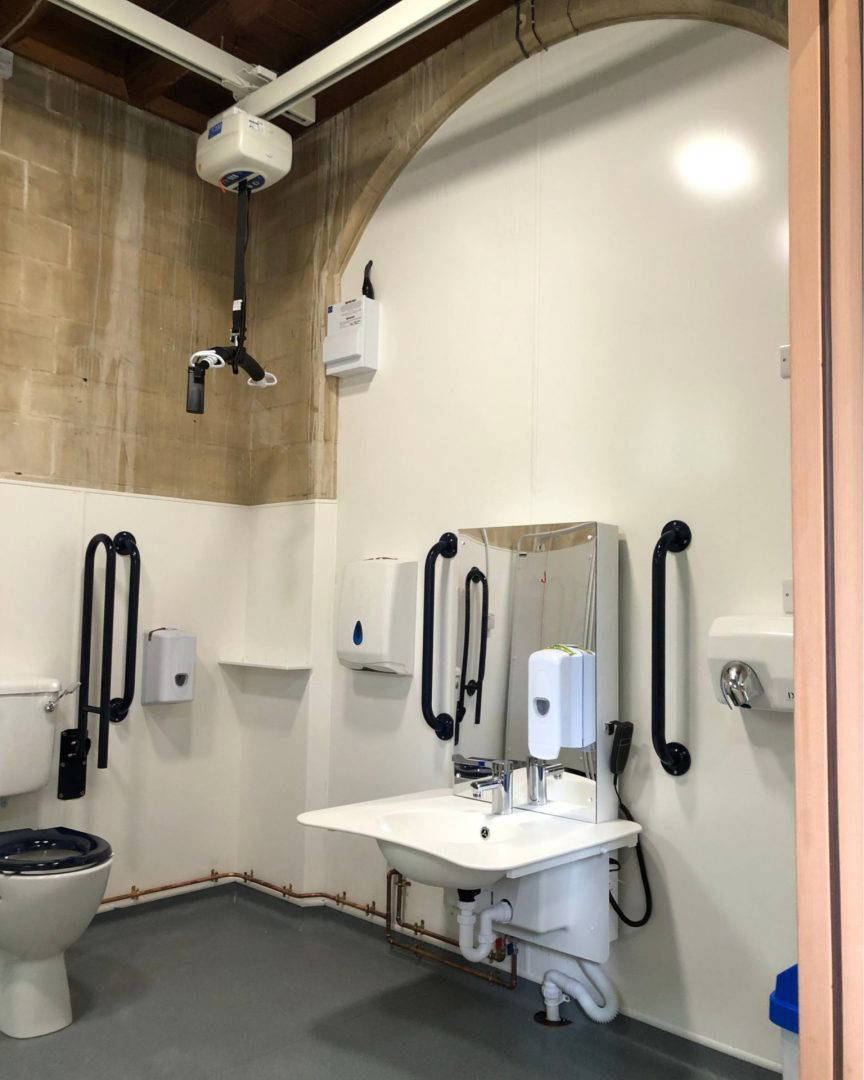
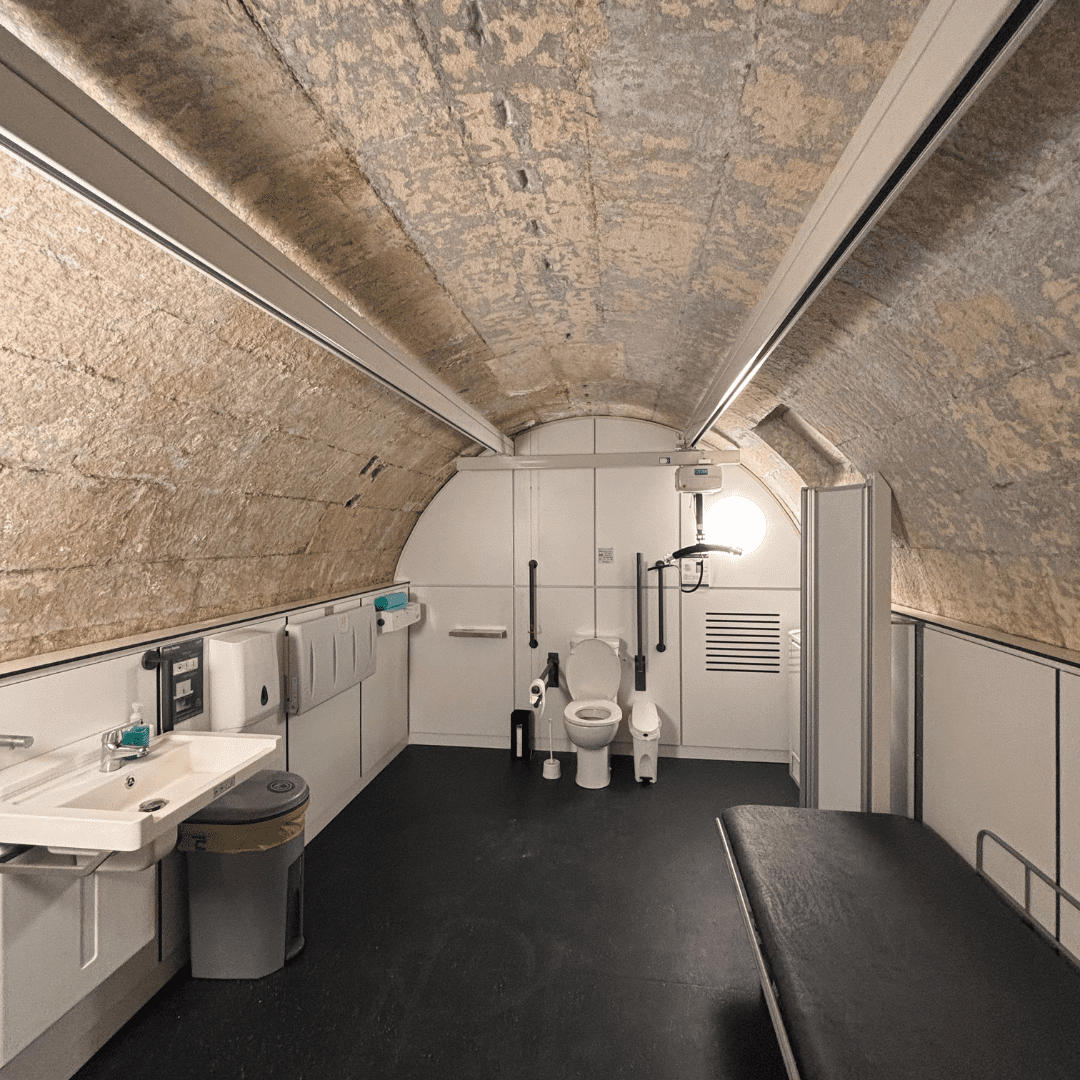
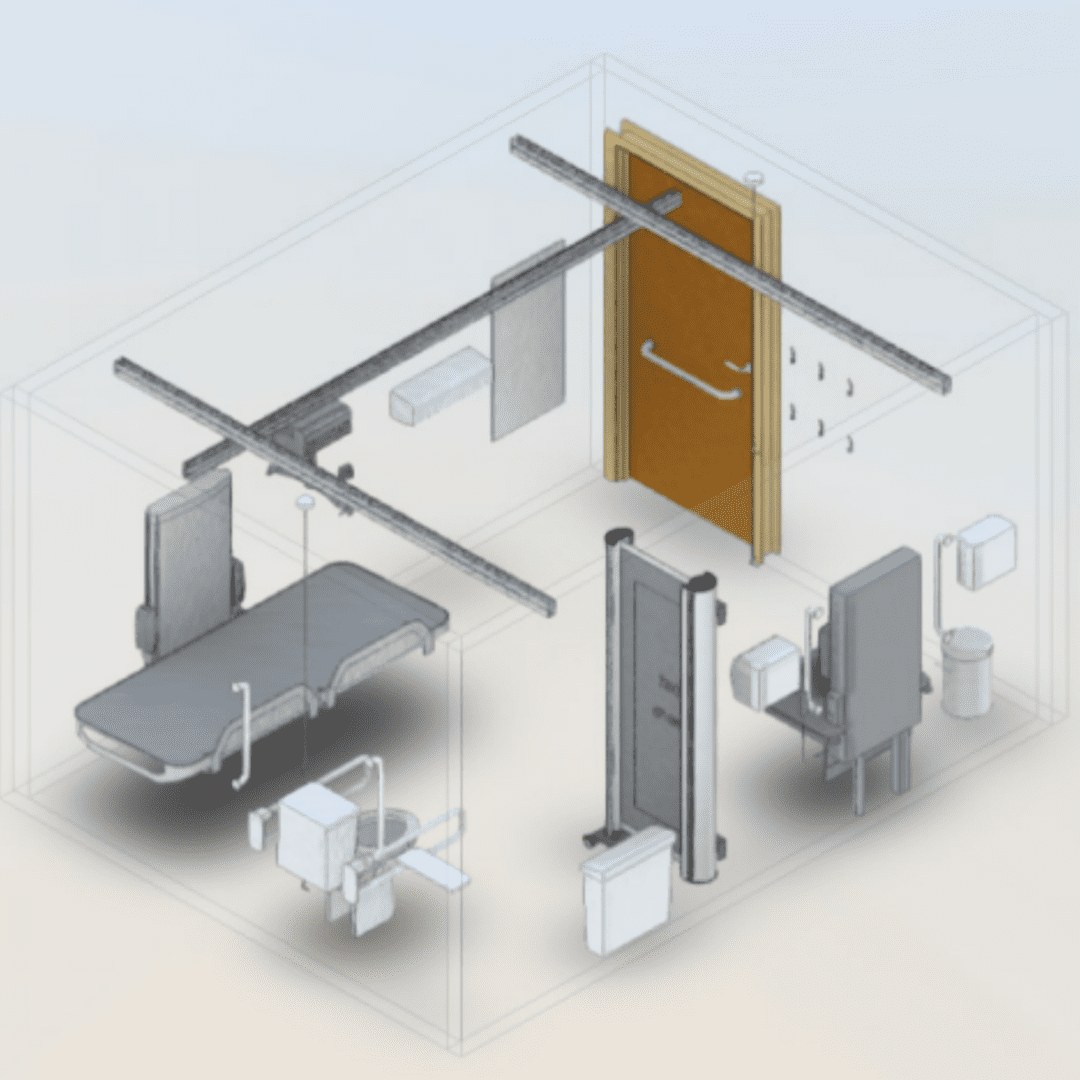
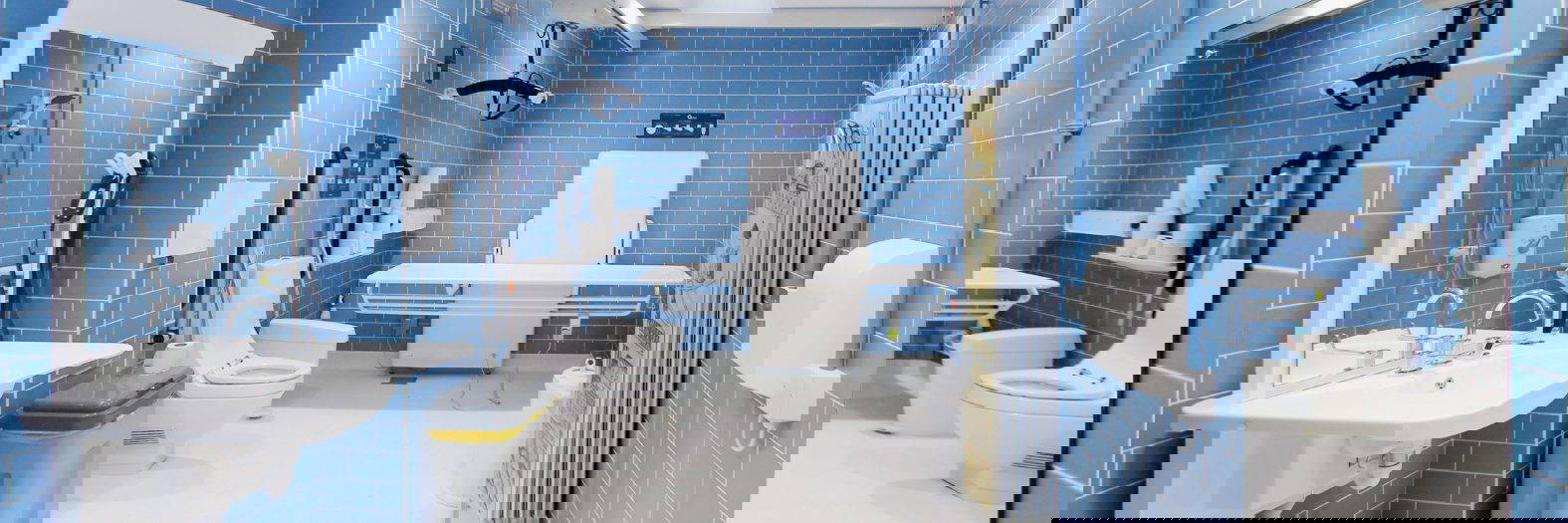
To deliver a fully compliant facility that respects both accessibility and historic context, a Changing Places room must include:
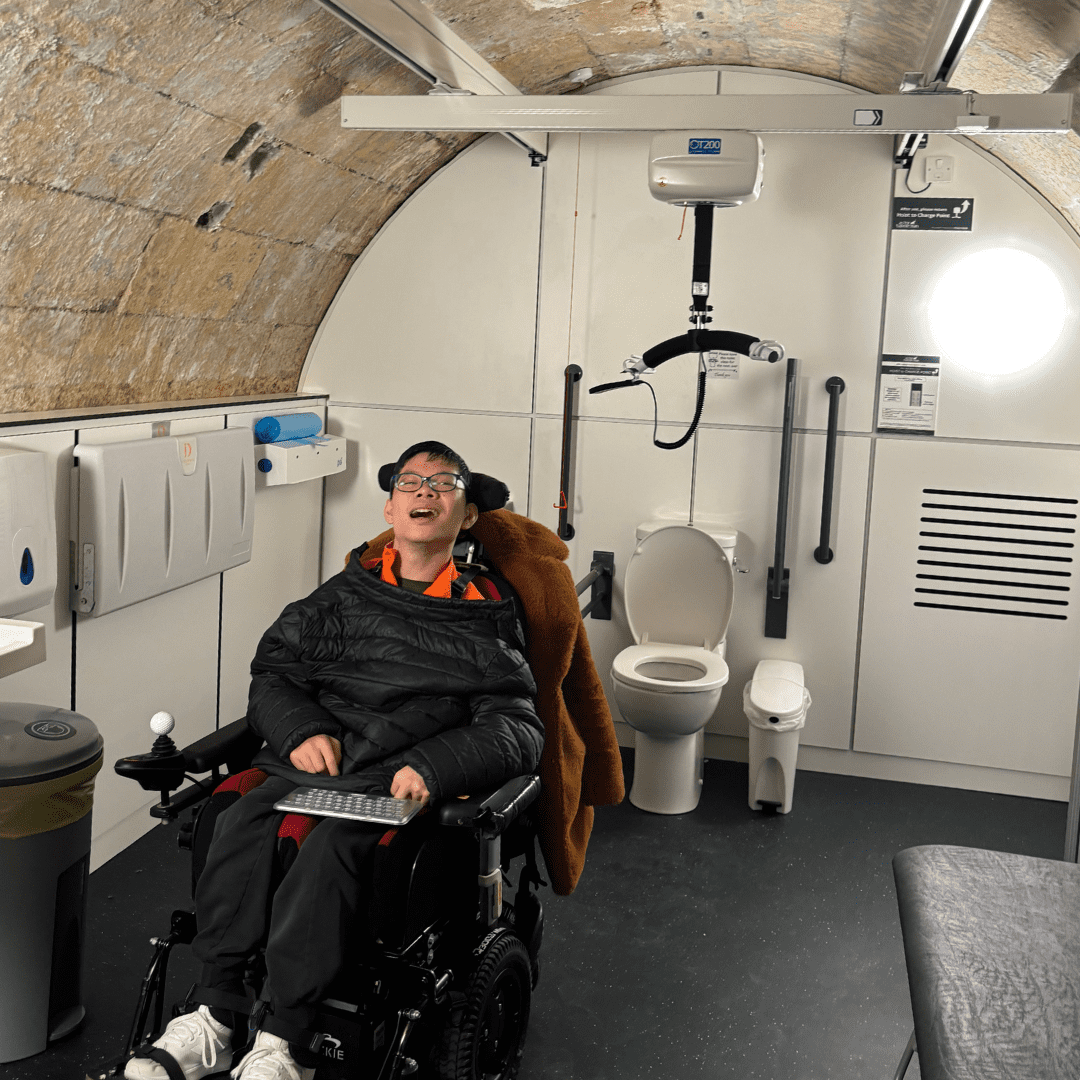
☑ Ceiling Track Hoist System – For safe transfers between wheelchair and changing bench.
☑ Height-Adjustable Adult-Sized Changing Bench – Ergonomic, robust and suitable for assisted use.
☑ Space for Carers & Assistants – Minimum clear floor area (~12 m²), wheelchair turning circles and movement zones.
☑ Peninsula Toilet – Central position to allow use by both user and assistants.
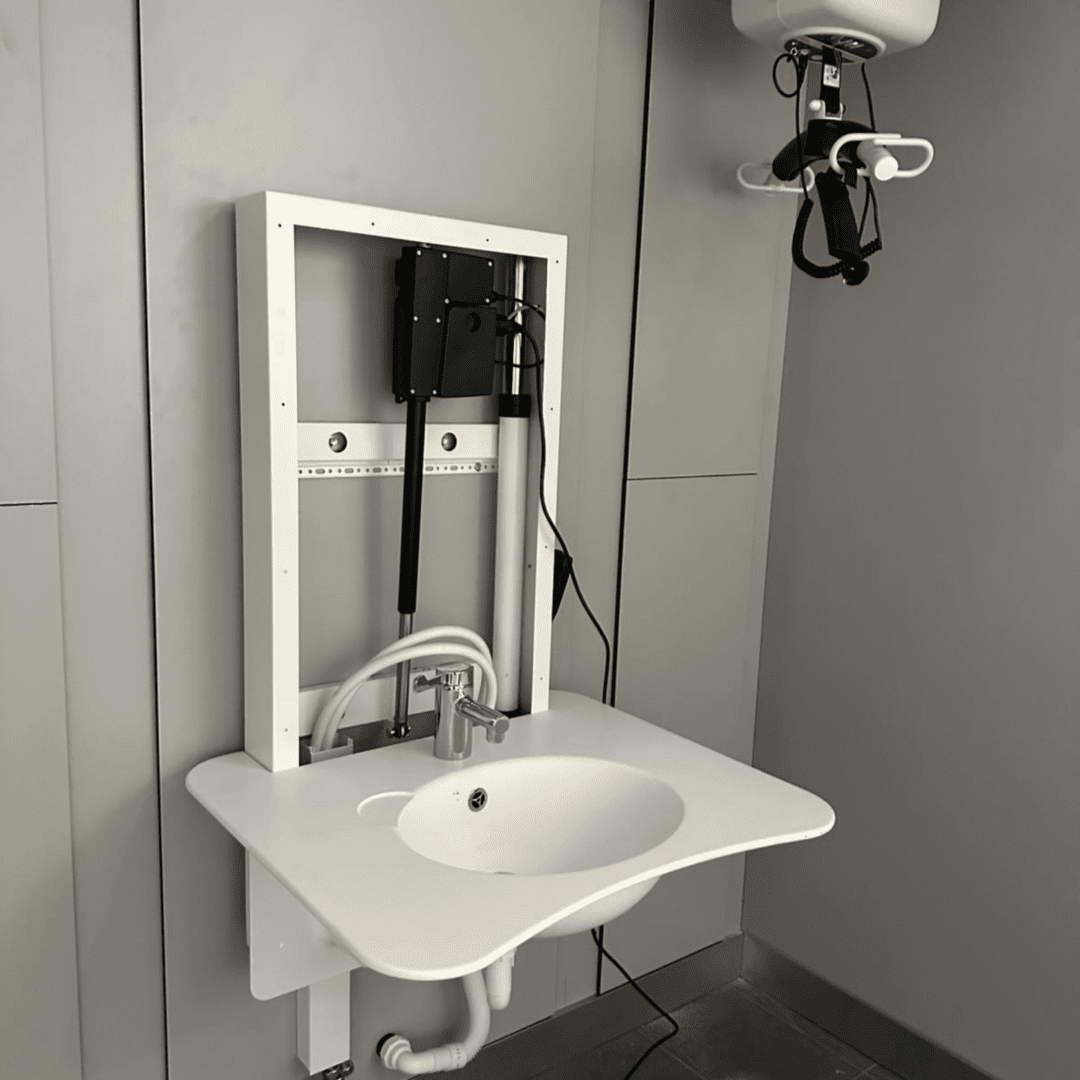
☑ Height-Adjustable Washbasin – Flexible hygiene provision.
☑ Emergency Alarm & Hearing Loops – Safety and assistance communication.
☑ Privacy Screen – Dignified environment sensitive to visitor needs.
☑ Sensitive Integration of Services – Concealed drainage, ventilation and electrical feeds that respect historic fabric.
Completed Heritage & Historic Building Installations
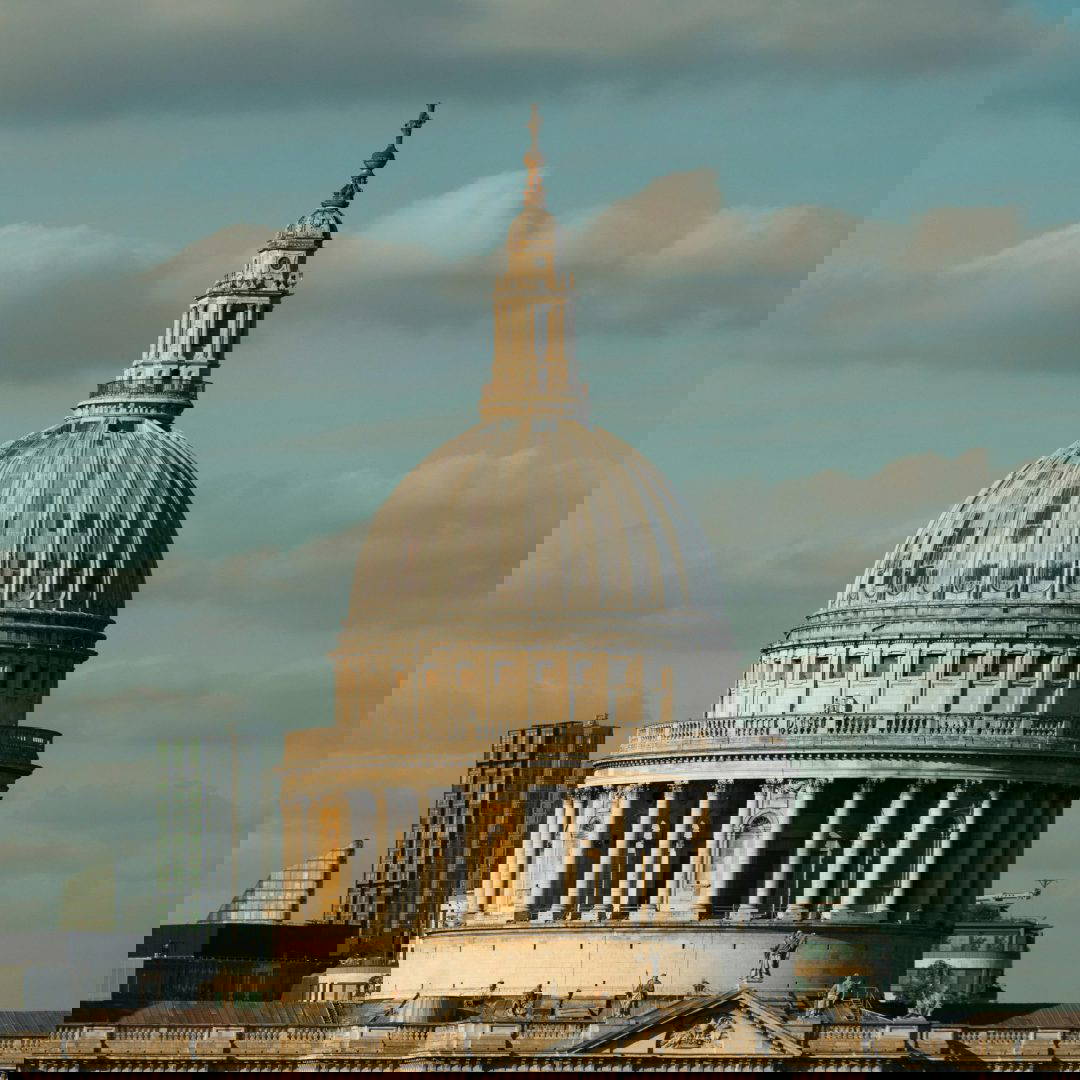
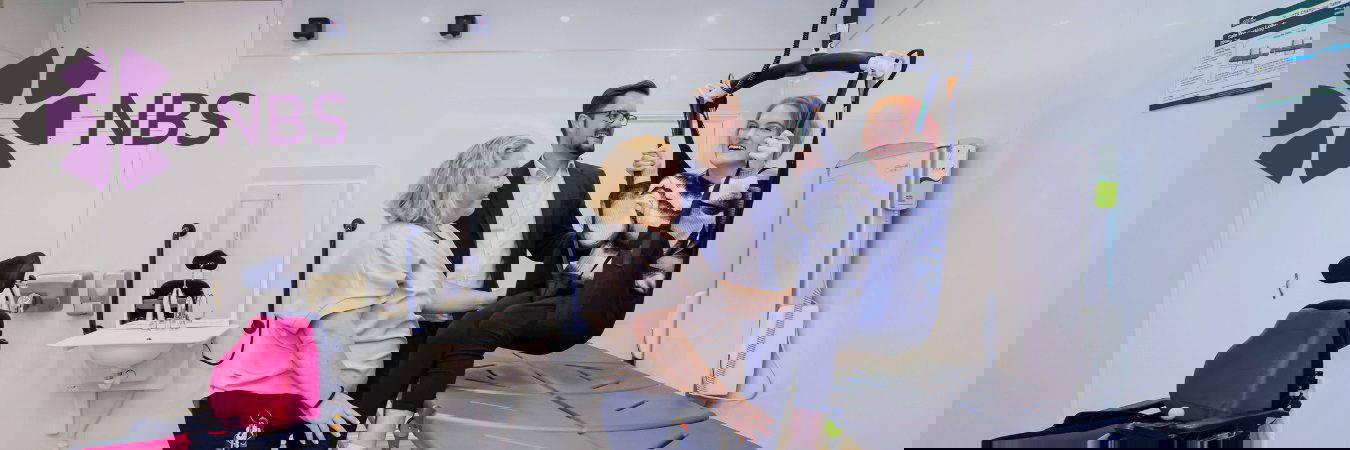
St Paul’s Cathedral
A Grade I listed religious landmark that required discreet internal routing of services and hidden structural support to accommodate a ceiling track hoist without impacting decorative plasterwork.
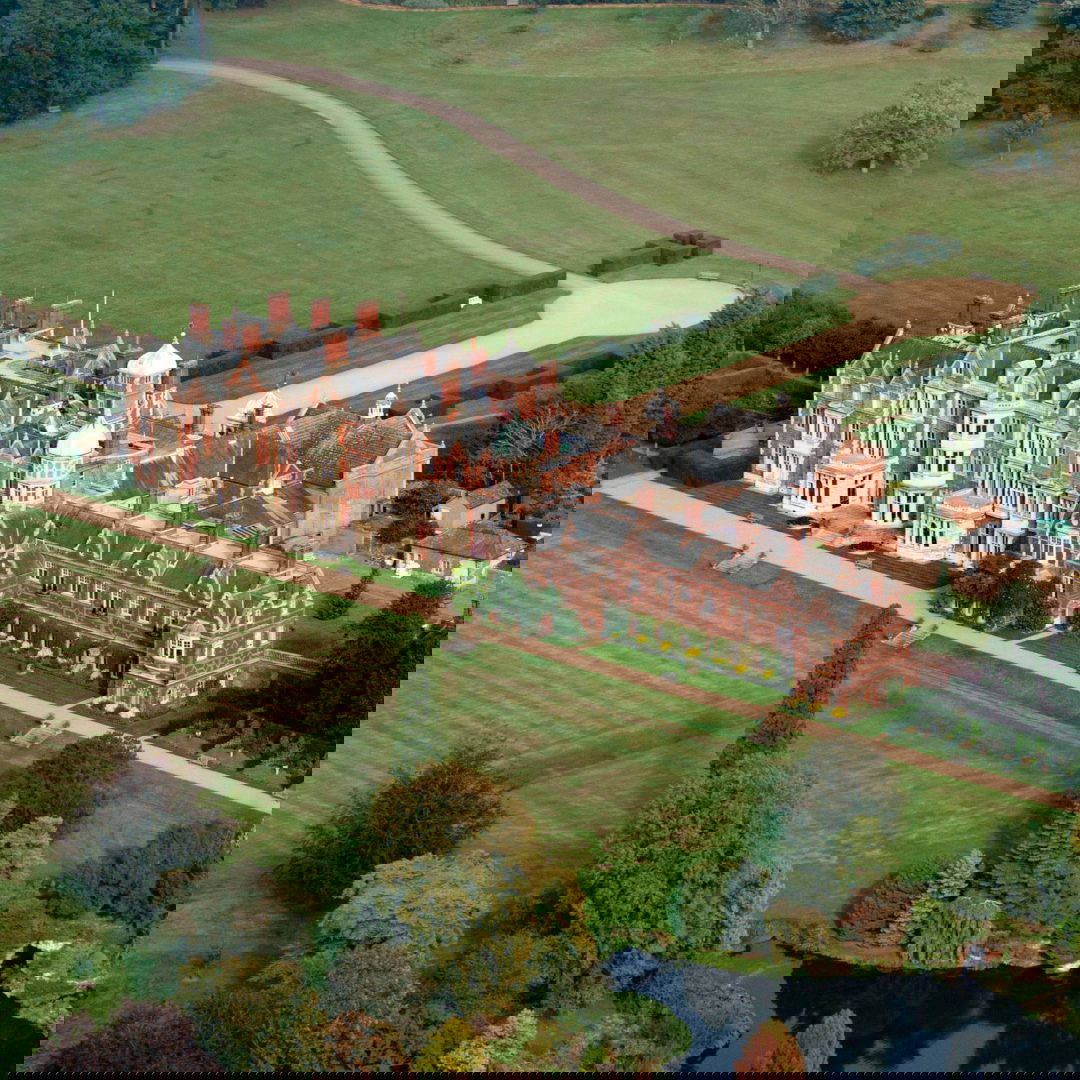
Sandringham House
A royal estate with sensitive finishes and visitor circulation routes, where design coordination ensured minimal visual impact.
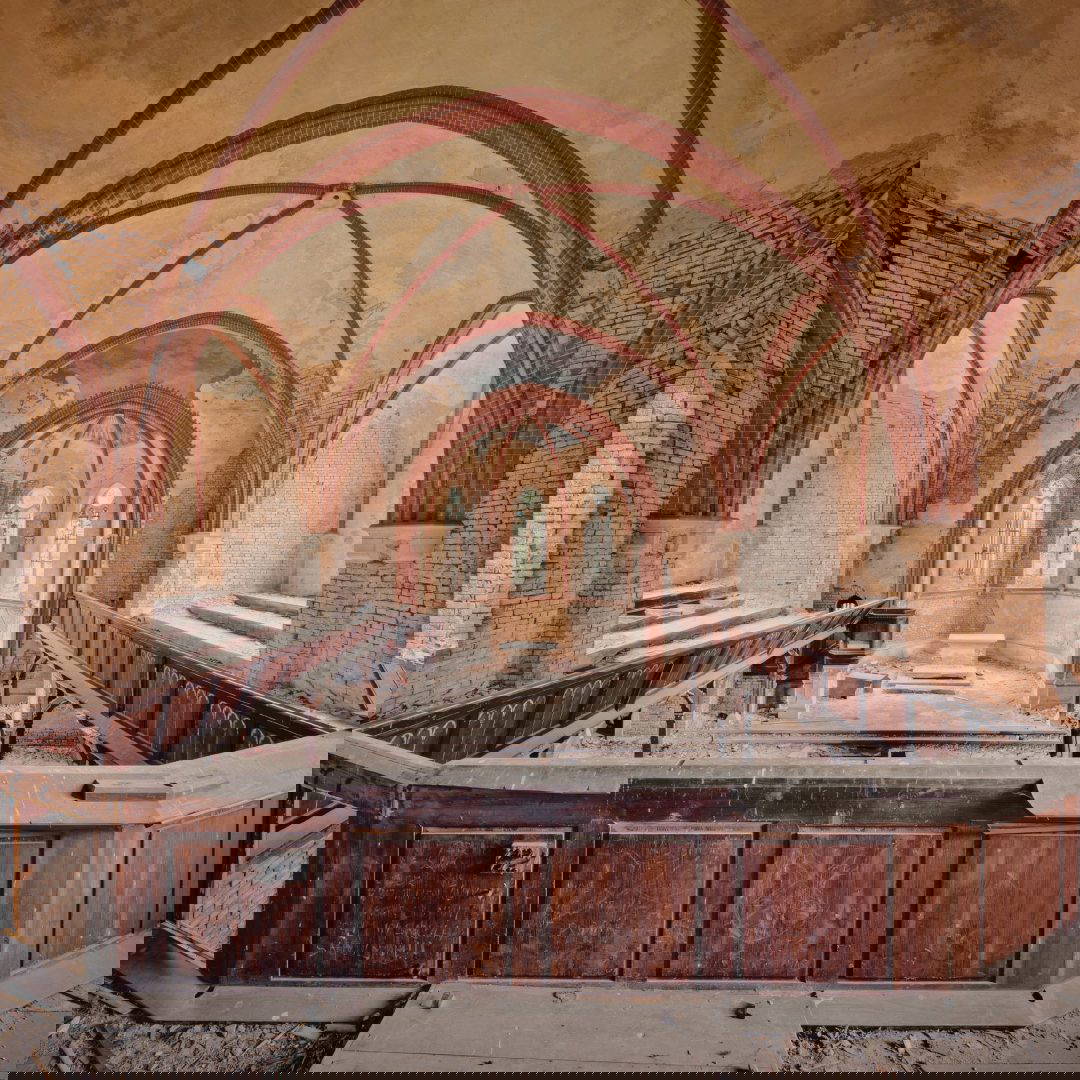
Bath Abbey
Situated within a UNESCO World Heritage City, the Changing Places facility was integrated into the visitor centre — a modern intervention that honoured the Abbey’s historic context.
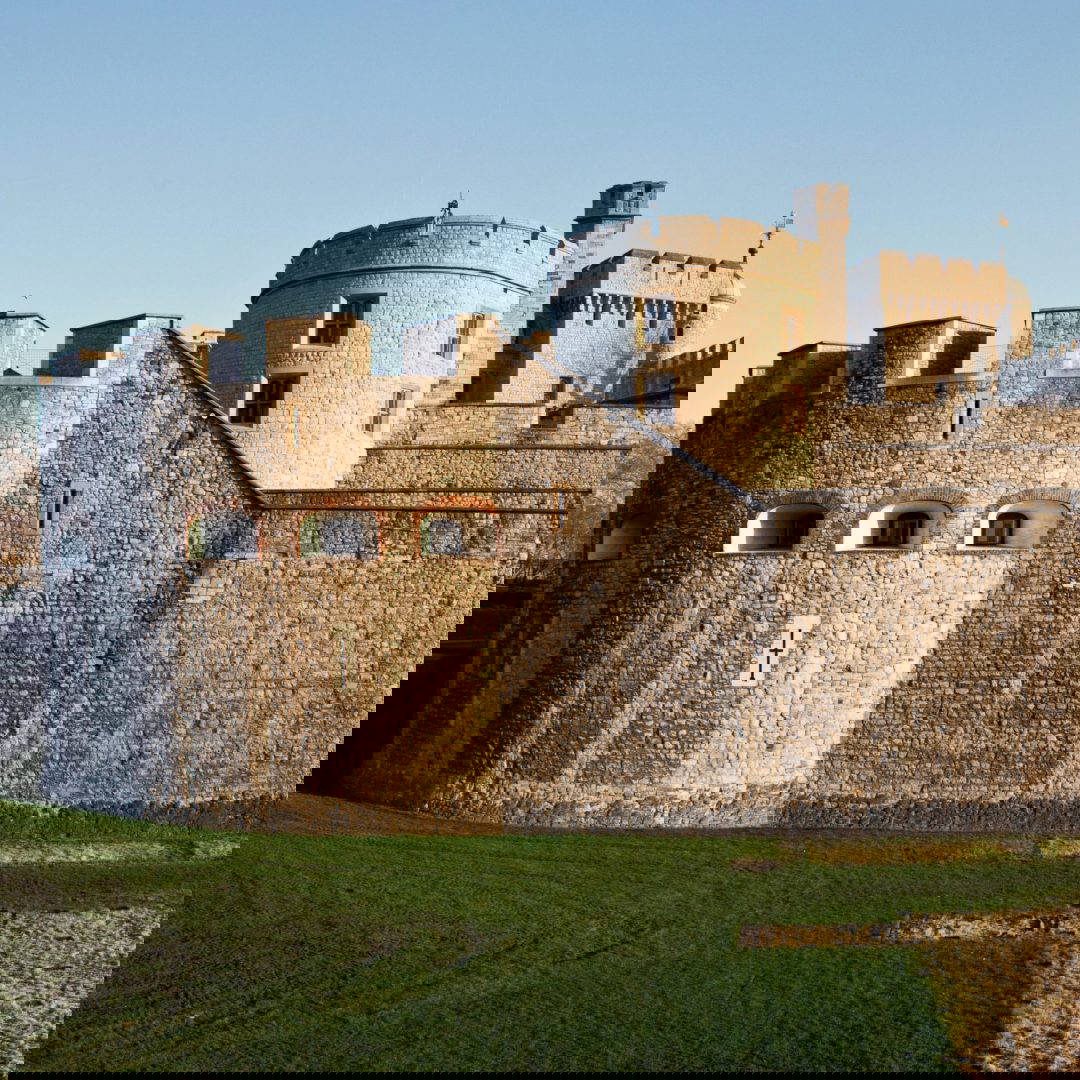
Tower of London
One of the UK’s most historic sites, with careful planning needed to deliver compliant facilities while preserving its scheduled monument status.
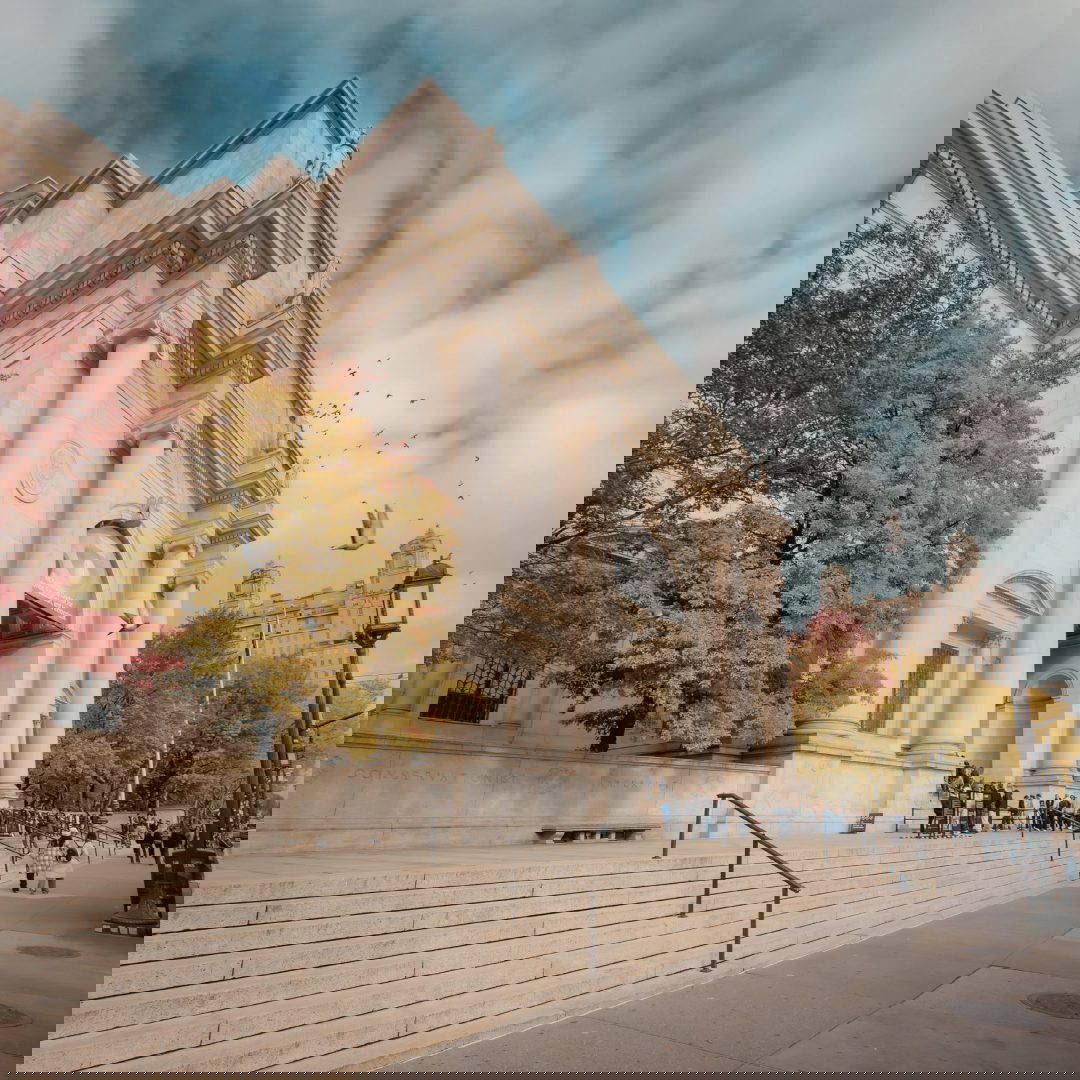
Natural History Museum
A Victorian-era museum where equipment integration emphasised structural coordination and discreet installation of hoists and services.

Windsor Castle
One of the oldest and largest occupied castles in the world, Windsor Castle required a highly sensitive accessibility solution within a complex historic estate setting
Structural & Conservation Challenges
Heritage and historic buildings pose unique technical constraints. These require careful architectural and engineering strategies to maintain both compliance and conservation integrity:
1. Load Bearing & Hoist Fixings
Many heritage ceilings have limited load capacity.
Suspended timber or decorative plaster ceilings cannot accept direct fixings. In such cases:
-
Independent steel support frames within service zones are specified.
-
Wall-mounted track systems are used where ceiling support is restricted.
-
Reversible fixings are prioritised to protect original fabric.
2. Irregular Geometry & Space Constraints
Historic plans often lack the clear 12 m² footprint required for compliant Changing Places rooms.
Solutions include:
-
Reconfiguring ancillary spaces (e.g., storage rooms, vestries).
-
Using modern extensions or discreet infill areas.
-
Adaptations in adjacent visitor centres or reception wings to maintain circulation.
3. Services Routing & Conservation Consent
Standard drainage, ventilation and electrical installations can conflict with listed status.
Best practice includes:
-
Pumped drainage systems avoiding deep floor penetrations.
-
Internal ventilation routes avoiding external façade interventions.
-
Early coordination with conservation officers and heritage planners.
4. Listed Building Consent & Regulatory Alignment
Changing Places installations in listed or historic structures require separate consent from Building Regulations approval.
Architects must:
-
Prepare heritage impact statements.
-
Show reversible interventions where possible.
-
Align compliance drawings with conservation officer expectations.
What Are Your Options as an Architect?
There are several delivery pathways to suit context and project constraints:
Design & Supply Only
Astor Bannerman can provide equipment specification and layout advice for prepared spaces — including drawing reviews to ensure compliance and conservation alignment.
Turnkey Project Management
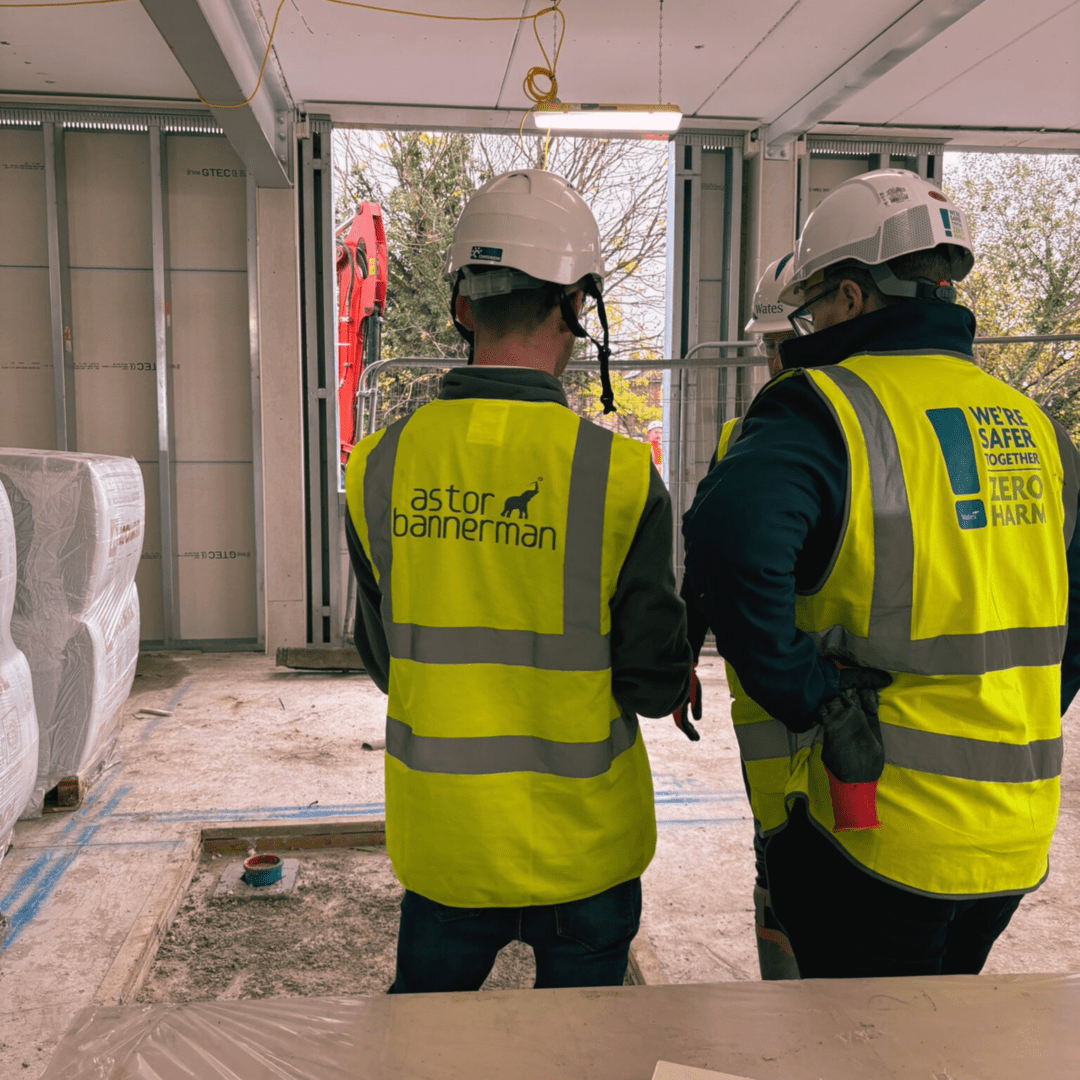
Full project delivery managing listed building consent, heritage impact assessments, equipment installation and commissioning — ideal for major overlays or refurbishments.
Modular Changing Places Solutions
Where internal modification is restricted, craned-in modular units offer a complete standalone solution that can sit adjacent to the historic fabric while delivering full technical compliance.
About Astor Bannerman
Astor Bannerman has over 30 years of experience designing and specifying specialist accessibility solutions for complex environments — including heritage and historic buildings.
Our team provides expert technical support from early concept design through to installation, servicing, and long-term maintenance. We specialise in delivering tailored solutions that respect architectural significance while meeting the highest standards of accessibility.
Book a CPD, Demo or Training Session
Guides and Fact Sheets