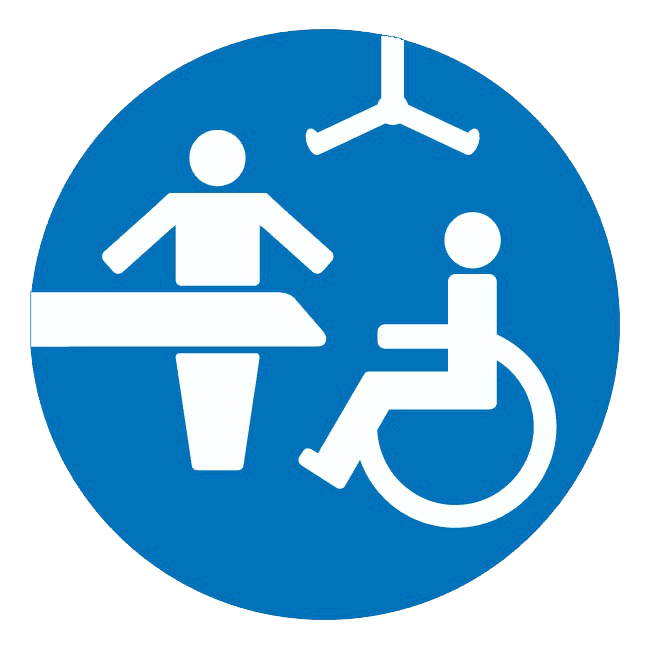
A Changing Places Toilet Could Make a Significant Difference
Based on your answers, there is a compelling case for considering a Changing Places Toilet.
Organisations similar to yours often find these facilities improve accessibility, visitor experience and community inclusion.
Reviewing your options now could help future-proof your venue while welcoming more people.Recommended Next Steps
Why We've Made This Recommendation
You have a great opportunity to improve accessibility
Your answers suggest there is a strong opportunity to improve accessibility and inclusion at your venue.
A Changing Places Toilet may enable more people to visit, stay longer and enjoy your facilities with confidence.
The next step is understanding how it could fit within your building and your wider accessibility strategy.
Making the Most of Your Changing Places Toilet
Providing a Changing Places Toilet is a significant step toward inclusion. Its impact is maximised when it is clearly signposted, registered, and well understood by staff and visitors.
A Strong Foundation
A Doc M accessible toilet supports many disabled people, but it does not meet all needs. Some users may require additional space, a changing bench, or a ceiling hoist.
Do your standard toilets meet everyone's needs?
If only standard toilets are available, reviewing accessibility provision could significantly broaden who can comfortably visit your venue.
Welcoming the Public
As a public-facing venue, accessibility directly influences who can visit, how long they stay, and the quality of their experience. Inclusive facilities help remove barriers, enabling more people to participate confidently and return in the future.
Longer Visits Mean Greater Need
The longer people spend at your venue, the more important appropriate toilet and changing facilities become. Whether visitors are enjoying a day out, attending an event or spending several hours at your site, access to suitable facilities helps them stay longer and enjoy their visit with confidence.
Supporting an Inclusive Workplace
Even where a site is not primarily public-facing, accessibility remains important for employees, contractors, and visitors. While a Changing Places Toilet may not always be required, reviewing provision demonstrates a commitment to inclusion and helps future-proof your facilities.
Supporting Familes
For many families, accessible facilities determine whether they can comfortably visit a venue. Inclusive provision helps parents and carers stay longer and reduces barriers to shared experiences.
Meeting the Needs of Disabled People
Disabled people have a wide range of needs. While standard accessible toilets support many users, others may require additional space or specialist equipment. Understanding this diversity is essential when reviewing provision.
Planning for an Ageing Population
As populations age, accessibility becomes increasingly important. Designing with a broad range of needs (such as for people with dementia or limited mobility) in mind helps ensure your venue remains welcoming and usable for all visitors over time.
Turning Values into Action
A commitment to inclusion is strongest when reflected in physical provision. Reviewing facilities is a practical step toward ensuring everyone can access and enjoy your venue.
Improving the Visitor Experience
Accessible facilities are a core part of visitor experience. When people feel their needs are considered, they are more likely to stay longer and return.
Helping Visitors Stay Longer
Accessible facilities reduce one of the most common reasons visitors cut trips short, supporting longer and more comfortable visits.
Going Beyond Compliance
Many organisations now go beyond minimum standards to improve inclusion. Considering a Changing Places Toilet demonstrates leadership in accessibility and inclusive design.
Your Visitors are AlreadyTelling you Something
Direct requests for a Changing Places Toilet suggest unmet demand. Reviewing provision now can improve accessibility and demonstrate responsiveness to visitor needs.
Accessibility is Already on Your Agenda
Feedback about accessibility is a valuable indicator that needs are not fully met. Even small improvements can significantly enhance inclusion.
Building on Existing Use
If disabled people already use your venue, reviewing facilities is a natural next step. Accessibility is not just about entry, but about enabling full and dignified participation.
Starting the Conversation
Many organisations begin this process not having thought about Changing Places at all. Understanding what a Changing Places Toilet provides is often the first step toward more inclusive provision.
Need Further Advice?
You're at the Start of Your Accessibility Journey
Many organisations begin by asking whether they need a Changing Places Toilet.
Your answers suggest there is an opportunity to learn more about how these facilities support people with complex disabilities and where they may be appropriate.
Whether you're reviewing your facilities now or planning for the future, understanding the needs of your visitors is a great place to start.Recommended Next Steps
Why We've Made This Recommendation
Making the Most of Your Changing Places Toilet
Providing a Changing Places Toilet is a significant step toward inclusion. Its impact is maximised when it is clearly signposted, registered, and well understood by staff and visitors.
A Strong Foundation
A Doc M accessible toilet supports many disabled people, but it does not meet all needs. Some users may require additional space, a changing bench, or a ceiling hoist.
Do Your Standard Toilets Meet Everyone's Needs?
If only standard toilets are available, reviewing accessibility provision could significantly broaden who can comfortably visit your venue.
Welcoming the Public
As a public-facing venue, accessibility directly influences who can visit, how long they stay, and the quality of their experience. Inclusive facilities help remove barriers, enabling more people to participate confidently and return in the future.
Supporting an Inclusive Workplace
Even where a site is not primarily public-facing, accessibility remains important for employees, contractors, and visitors. While a Changing Places Toilet may not always be required, reviewing provision demonstrates a commitment to inclusion and helps future-proof your facilities.
Supporting Families
For many families, accessible facilities determine whether they can comfortably visit a venue. Inclusive provision helps parents and carers stay longer and reduces barriers to shared experiences.
Meeting the Needs of Disabled People
Disabled people have a wide range of needs. While standard accessible toilets support many users, others may require additional space or specialist equipment. Understanding this diversity is essential when reviewing provision.
Planning for an Ageing Population
As populations age, accessibility becomes increasingly important. Designing with a broad range of needs (such as for people with dementia or limited mobility) in mind helps ensure your venue remains welcoming and usable for all visitors over time.
Turning Values into Action
A commitment to inclusion is strongest when reflected in physical provision. Reviewing facilities is a practical step toward ensuring everyone can access and enjoy your venue.
Improving the Visitor Experience
Accessible facilities are a core part of visitor experience. When people feel their needs are considered, they are more likely to stay longer and return.
Helping Visitors Stay Longer
Accessible facilities reduce one of the most common reasons visitors cut trips short, supporting longer and more comfortable visits.
Going Beyond Compliance
Many organisations now go beyond minimum standards to improve inclusion. Considering a Changing Places Toilet demonstrates leadership in accessibility and inclusive design.
Your Visitors are Already Telling you Something
Direct requests for a Changing Places Toilet suggest unmet demand. Reviewing provision now can improve accessibility and demonstrate responsiveness to visitor needs.
Accessibility is Already on Your Agenda
Feedback about accessibility is a valuable indicator that needs are not fully met. Even small improvements can significantly enhance inclusion.
Buidling on Existing Use
If disabled people already use your venue, reviewing facilities is a natural next step. Accessibility is not just about entry, but about enabling full and dignified participation.
Starting the Conversation
Many organisations begin this process not having thought about Changing Places at all. Understanding what a Changing Places Toilet provides is often the first step toward more inclusive provision.
Need Further Advice?