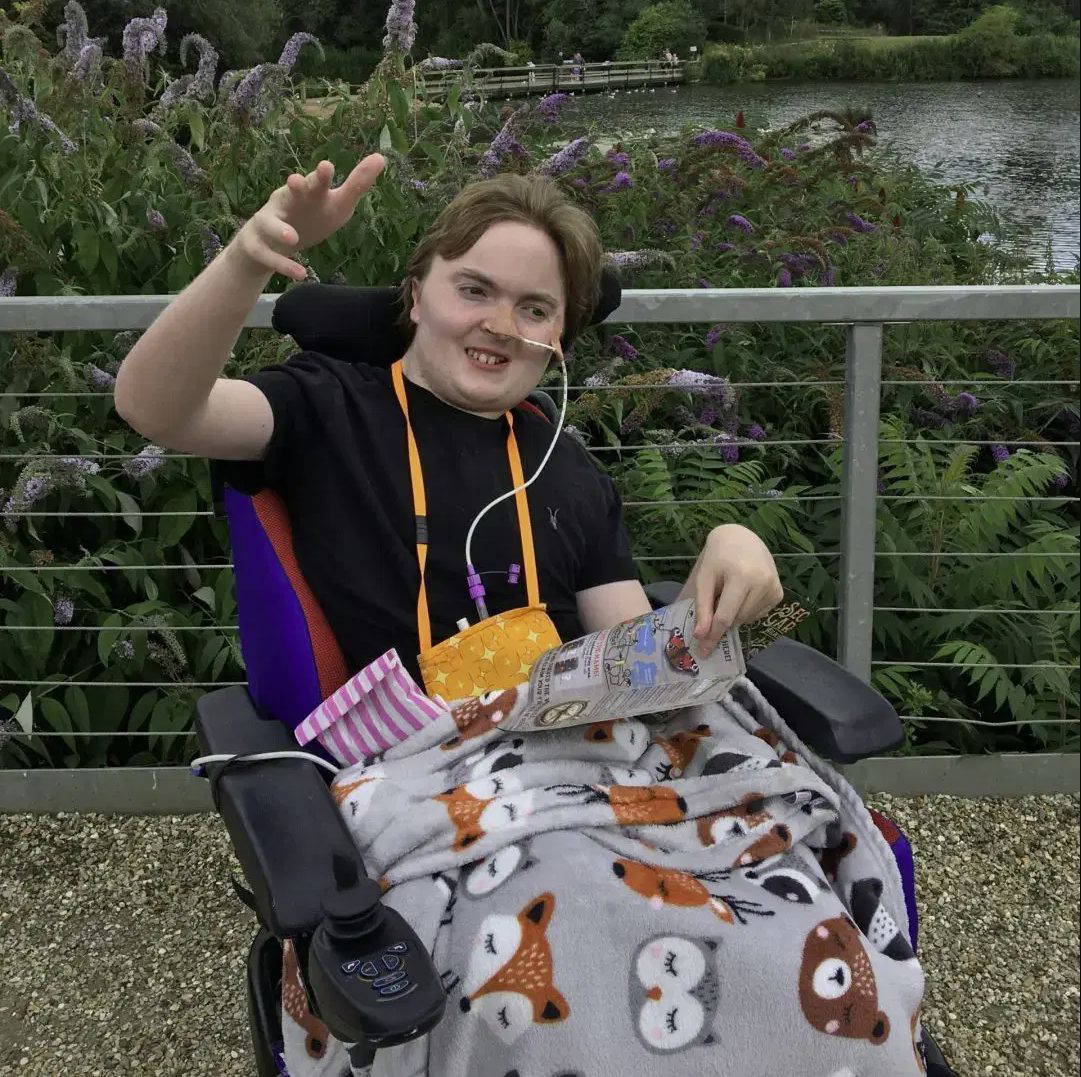
Independence doesn’t always mean doing everything without help. For someone with muscular dystrophy for example, the right adaptation may allow them to continue doing some parts of their routine independently while making it easier for a family member or carer to assist with others.
The Astor ABW height-adjustable washbasin is a good example of this approach. The original ABW was developed in conjunction with Muscular Dystrophy UK specifically to address the needs of people with muscular dystrophy and progressively changing conditions, with the aim of supporting independence as needs change.
Its features are designed to give the user as much control as possible. Height adjustment allows the basin to be positioned appropriately for different users and situations, while large lever taps and optional infra-red touch-free taps can make using the water easier for people with limited arm movement. The wide, weight-bearing basin surround can also provide additional support for someone who is able to stand with assistance.
These features might seem relatively small individually, but together they can make the difference between needing someone else to complete a task and being able to do more of it independently.
The aim isn’t necessarily to remove assistance. It’s to give the individual as much control and independence as their abilities allow, while making it easier and safer for others to provide support when needed.
That principle is important when designing any accessible bathroom, particularly where someone’s abilities may change over time.
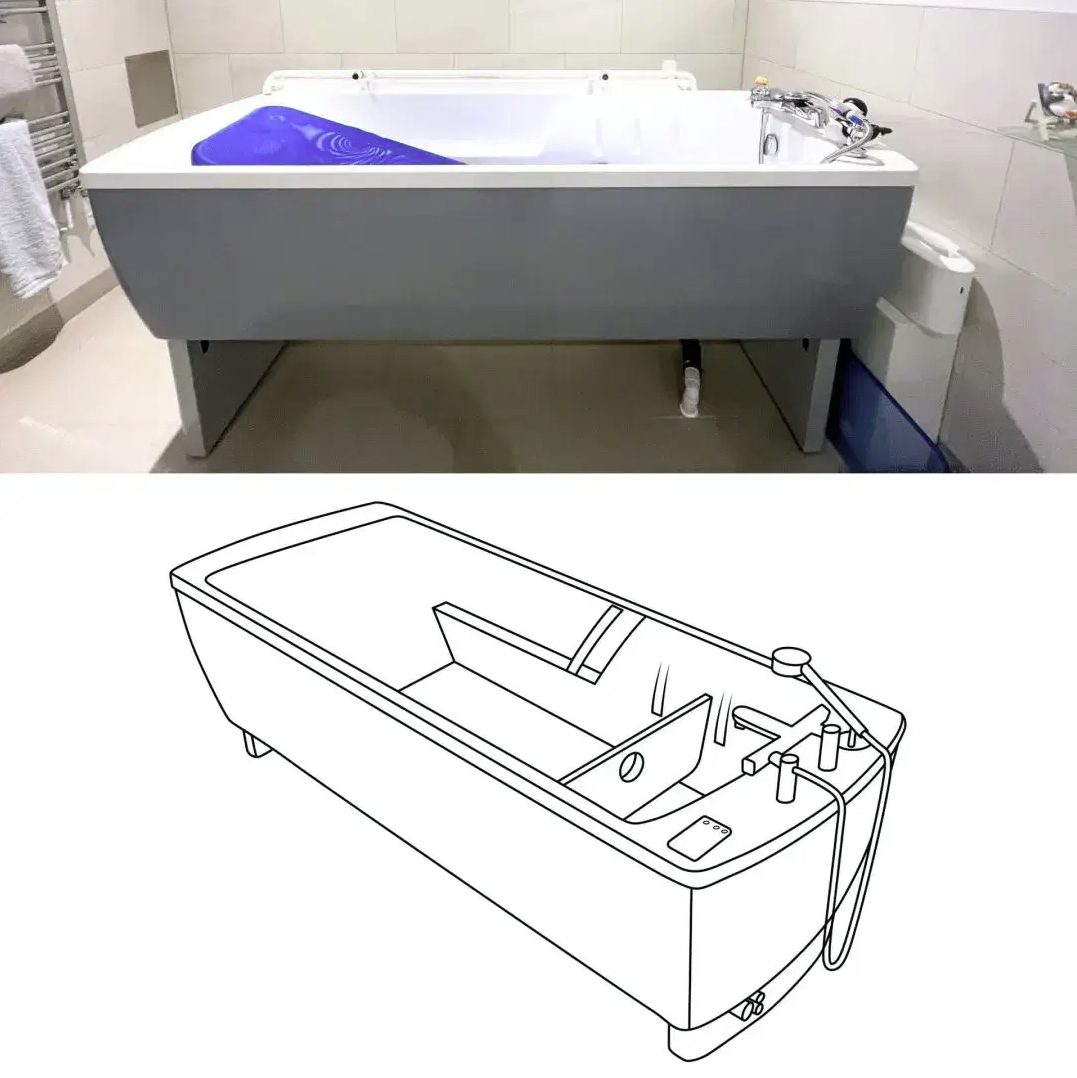
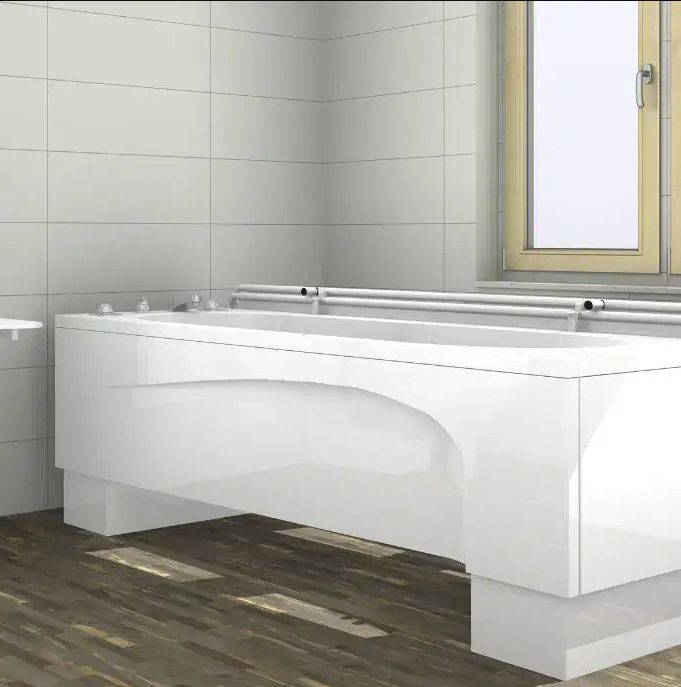
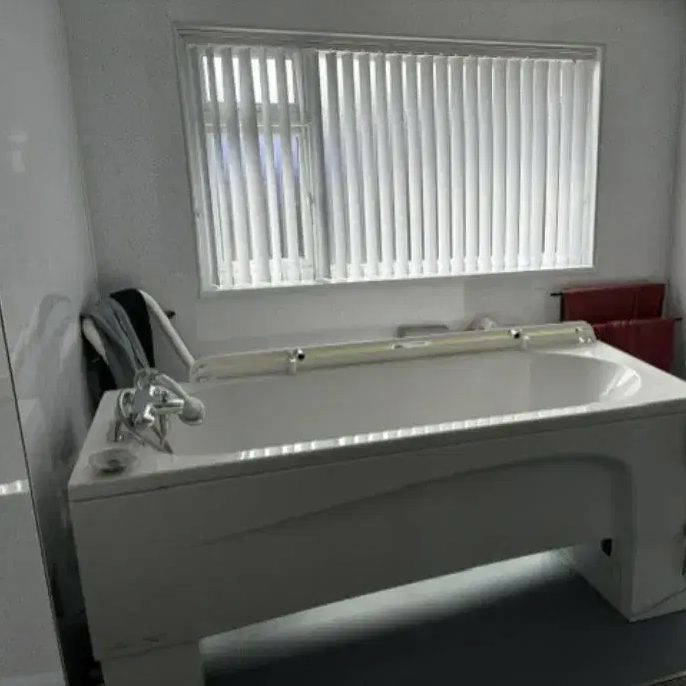
A recent Astor Bannerman project for a wheelchair user moving into their own adapted home demonstrates the importance of considering both sides of this relationship. The client had used the same Astor Kiva height-adjustable bath for 17 years, and the new bathroom was designed with two-sided access around the bath to allow carers to work safely.
The project team also chose to replicate the client’s familiar bathing setup in the new home. Although alternative equipment was considered, changing to unfamiliar equipment would have introduced additional disruption for the client and their carers. This is an important part of accessible design that can be easy to overlook. Familiarity can be part of accessibility too.
Read the case study