Person-centred care is a familiar principle in social care, but what does it mean when care is being delivered in a shared environment?

In a care home, residents may have their own bedrooms and individual care plans, but many of the spaces and resources they use are shared. Bathrooms, assisted bathing facilities, shower rooms and moving and handling equipment may all need to work for a wide range of people, each with different abilities, preferences and levels of support.

The challenge, therefore, is not necessarily to provide bespoke equipment for every resident. It is to create an environment with enough flexibility to support different people appropriately.

Starting with the person

The CQC’s guidance on person-centred care is clear that care and treatment should be appropriate, meet people’s needs and reflect their preferences. This includes involving people in decisions about their care and making reasonable adjustments where necessary.

That starts with understanding the person rather than simply the task that needs to be carried out.

For bathing and showering, that might mean considering what the resident can do for themselves, where they need assistance, how they transfer, whether they prefer a bath or shower, how they respond to different environments and how much support they are likely to need on a particular day.

These things can change, too. Someone who is relatively independent when they first move into a care home may need more assistance over time. Someone who needs significant support with a transfer may still be able to wash part of their body independently or choose how they would like their bathing routine to work.

Independence does not necessarily mean doing everything alone. It can also mean retaining control over parts of a familiar routine, having choices and being able to participate in personal care wherever possible.

Shared doesn't have to mean one-size-fits-all

This is particularly important when looking at bathroom design.

A care home cannot necessarily provide a completely different bathing facility for every resident. Equipment is often shared, and rooms need to work for a number of people. But shared equipment does not have to mean a one-size-fits-all approach.

Adjustable equipment can allow the same facility to accommodate people of different heights, abilities and levels of mobility. The way a room is laid out can also make a significant difference, allowing staff to position themselves appropriately while giving residents as much privacy and control as possible.

It is also worth considering how residents’ needs may change over time. Someone who can transfer independently today may need more assistance in the future, so choosing equipment that can accommodate different levels of support can help a care home plan ahead.

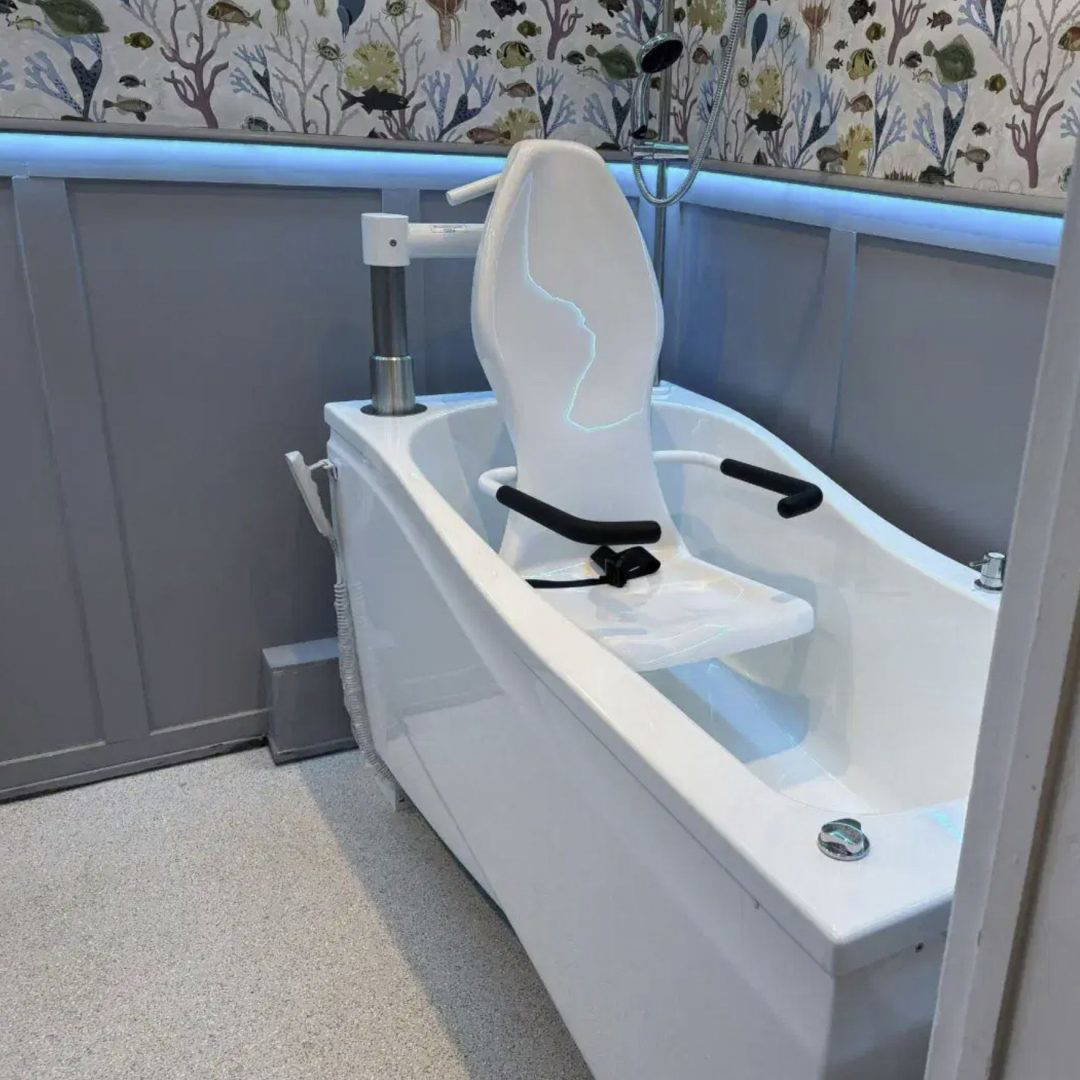
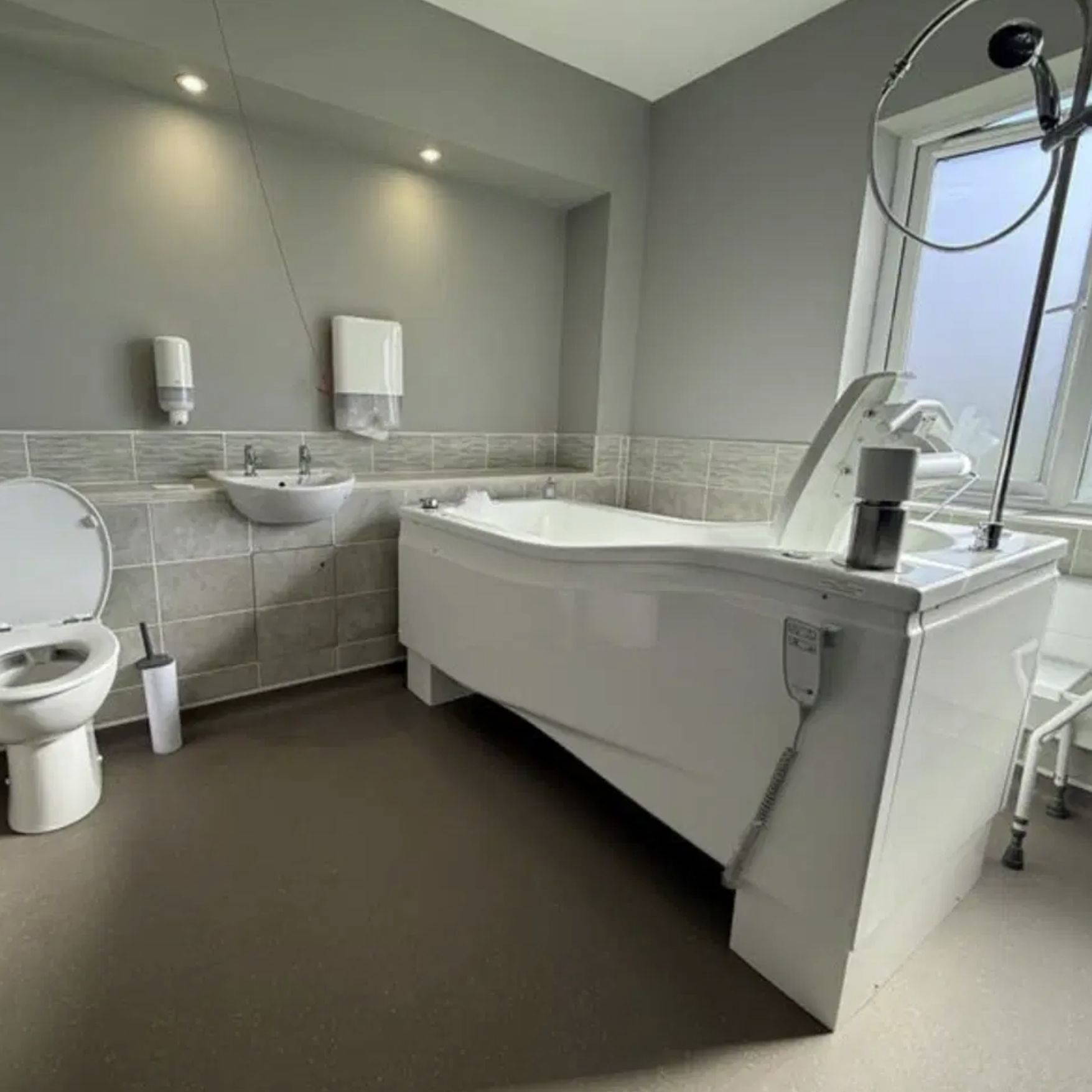
Crofton Springs Care Home in Cheltenham provides an example of this approach. The 66-resident home has nine assisted baths across communal bathrooms and selected en-suite spaces. Astor Compact Fixed Height Baths with Powered Seats were selected to provide assisted bathing facilities in different areas of the home, including smaller en-suite bathrooms. The result is not a completely bespoke bathing arrangement for every resident, but a range of facilities that gives staff flexibility when planning care routines and supporting residents with different levels of assistance.

Person-centred care does not necessarily mean bespoke everything. It means making thoughtful choices about the environment and equipment so that people can be supported as individuals, both now and as their needs evolve.

Read about the Crofton Springs project

Changing Places Toilet: Greenbank Sports Academy

The experience matters too

There is also a risk of thinking about personal care purely as a practical task: getting someone into the bath or shower, completing the wash and getting them out again.

For the person receiving care, however, bathing can be much more than that. It can be a familiar routine, a source of relaxation or simply something they enjoy.

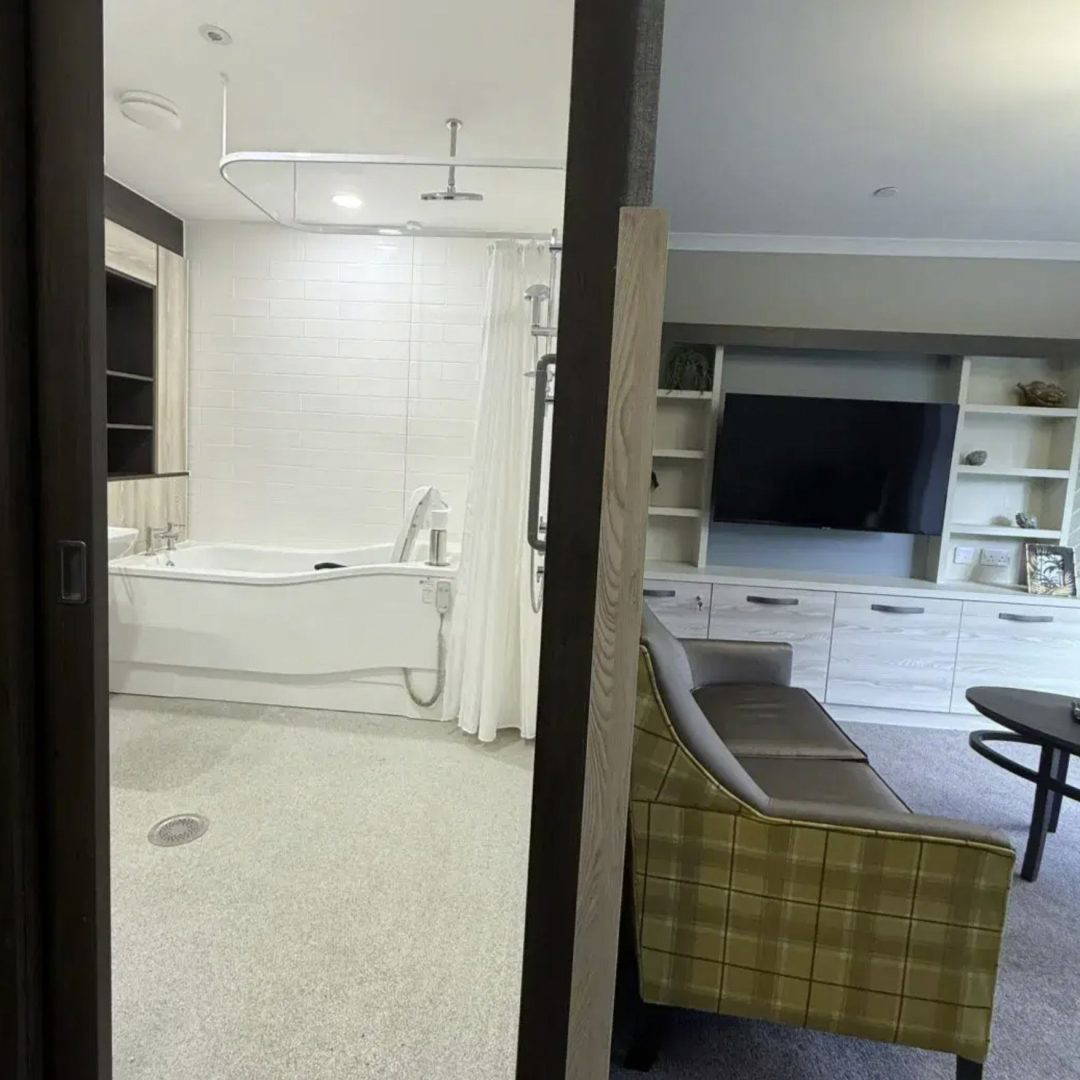
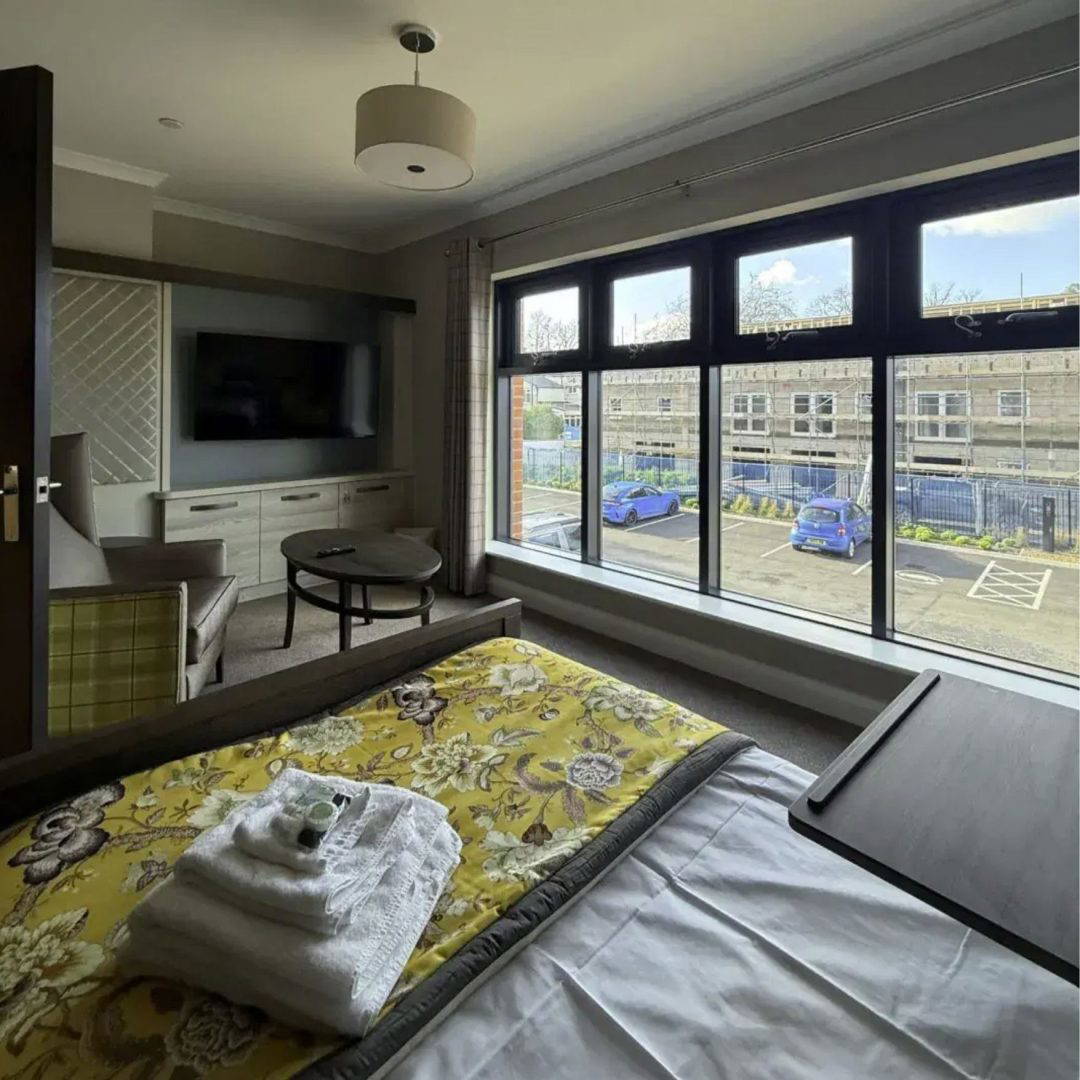
At Cantref Care Home in Abergavenny, a bathroom refurbishment included a new height-adjustable assisted bath and gantry system, alongside changes to the look and feel of the room. Residents were involved in choosing wallpaper and finishing touches, while sensory features including mood lighting and music helped create a more welcoming environment.

The care team also found that residents were more willing to use the new bath and could participate more independently, with staff able to remain nearby when support was needed.

One member of the team described the change simply:

“People want a bath now – the experience is better. They were queuing up when the new bathroom was opened.”

Read about the Cantref Care Home project

It is a useful example of why person-centred design is not just about the technical specification of a piece of equipment. The room, the experience and the way staff are able to provide support all form part of the picture.

Cotswold Farm Park Changing Places Toilet - Changing Table
Cotswolds Farm Park Changing Places Toilet Accessibility Hoist

It needs to work for staff as well as residents

Person-centred care should not overlook the people delivering it.

If staff have to work in awkward positions, struggle to transfer a resident safely or cannot position themselves appropriately around a bath or shower, the environment is not working as well as it could. Supporting residents well depends on giving staff the right conditions and equipment to provide that support safely and comfortably.

Staff positioning should be considered when planning a bathroom, including whether there is enough room to assist from the most appropriate position. Depending on residents’ needs and the care routine, access from both sides of a bath or other equipment may be beneficial, allowing two carers to provide assistance where required. The layout should support the care that needs to be delivered, rather than forcing staff to work around avoidable restrictions.

At Isle Court Nursing Home in Shrewsbury, an existing bath had become increasingly difficult to use as many residents required mobility support. The home chose an Astor Compact DCII with a powered seat and height-adjustable features, allowing carers to assist residents at a more appropriate working height. The care team reported that the new bath made it easier to support residents confidently, while creating a more comfortable and relaxing bathing experience.

Read about the Isle Court Nursing Home project

This balance is important. The best solution is not simply the one that makes a particular transfer possible. It should also consider how the resident experiences the process and how staff can provide assistance safely and respectfully.

Looking beyond the equipment

Good bathroom design also needs to consider the room around the equipment.

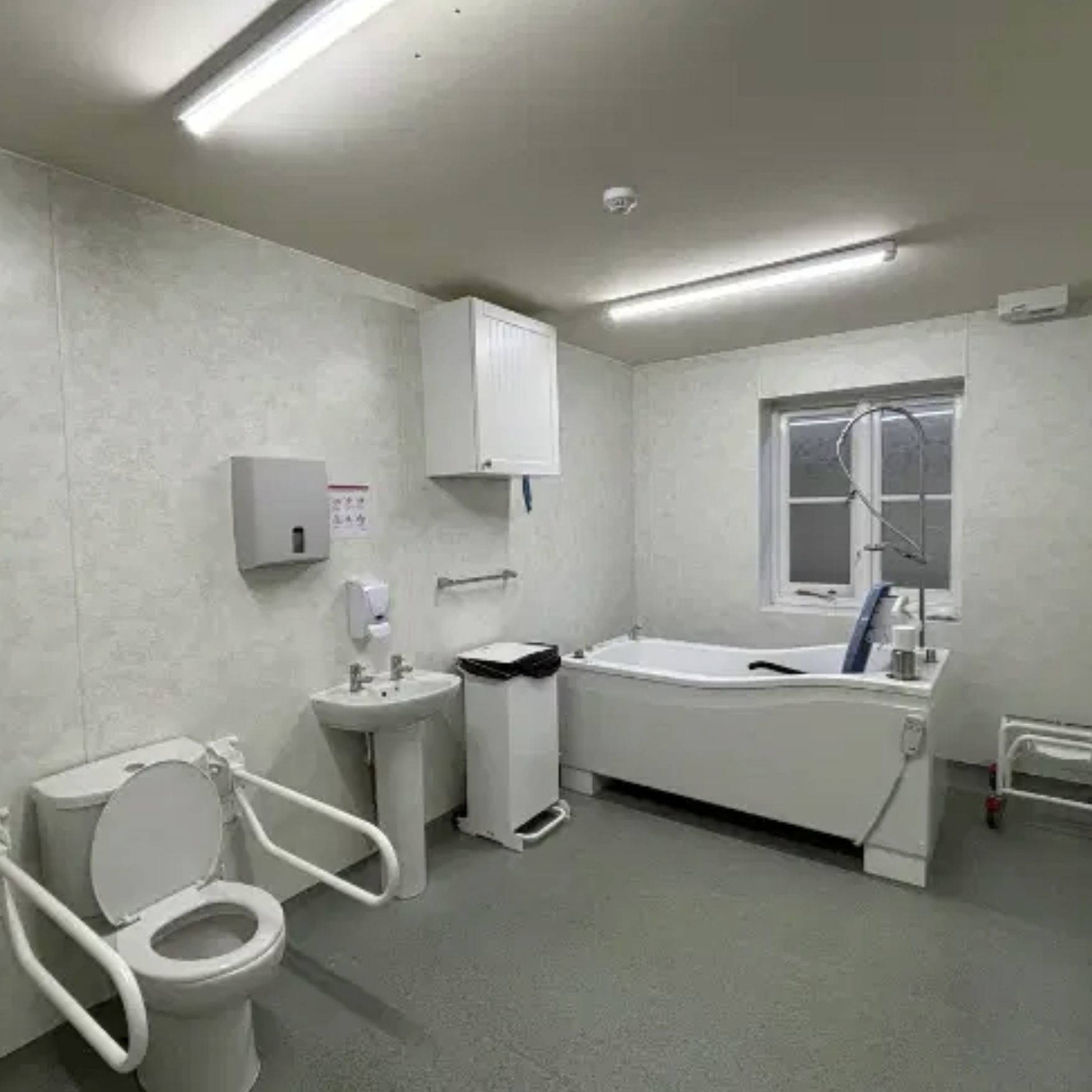
Access into the room, space for transfers, staff positioning, privacy, cleaning, storage, circulation and the relationship between the different fixtures can all affect how well a bathing or showering routine works.

Future-proofing is another important consideration. Residents’ mobility can change, and a bathing solution that works well today may need to accommodate a different approach in the future. The Motion height-adjustable bath, for example, can support more independent side transfers for residents who are able to transfer this way, while also allowing hoist-assisted bathing when more support is needed, subject to the selected configuration. Considering these possibilities during the planning stage can help care homes choose equipment that remains useful as residents’ needs change.

This becomes particularly important when adapting existing care home bathrooms, where space and the existing building can place practical limitations on what is possible.

A care home refurbishment involving an Astor Compact DCII dementia-friendly bath demonstrates the value of considering the whole room rather than simply replacing a bath. The bathroom was fully reconfigured, with the WC and washbasin repositioned, a new electrical supply installed, the flooring and decoration renewed and a level-access entrance introduced. The changes were planned as a complete refurbishment so that the room worked as a more functional and accessible space around the new bathing equipment.

Read more about this project

Cotswold Farm Park Changing Places Toilet - Changing Table
Cotswolds Farm Park Changing Places Toilet Accessibility Hoist

Person-centred care within a shared environment

There will always be residents whose needs require a different or more specialist solution. Flexibility should not become an excuse for providing the same equipment and approach to everyone.

But neither does person-centred care require every facility to be completely bespoke.

The more useful question may be: how can a shared environment provide enough flexibility to support different people in the right way?

For care homes, that means looking beyond the individual piece of equipment and considering the whole experience – the resident’s preferences, abilities and changing needs, the staff supporting them and the environment in which care takes place.

Shared doesn’t have to mean one-size-fits-all. With thoughtful planning, shared facilities can provide choice, dignity, comfort and the right level of support for the person using them, while allowing care homes to adapt as residents’ needs change.

What next?

Download the factsheet.

Learn more about accessible bathrooms for care homes on one of our bespoke training sessions.

If you’re working on a project and want to ensure accessibility is considered from the outset, our team can help.

From early-stage consultation through to installation, we support care home managers, groups, and architects.