
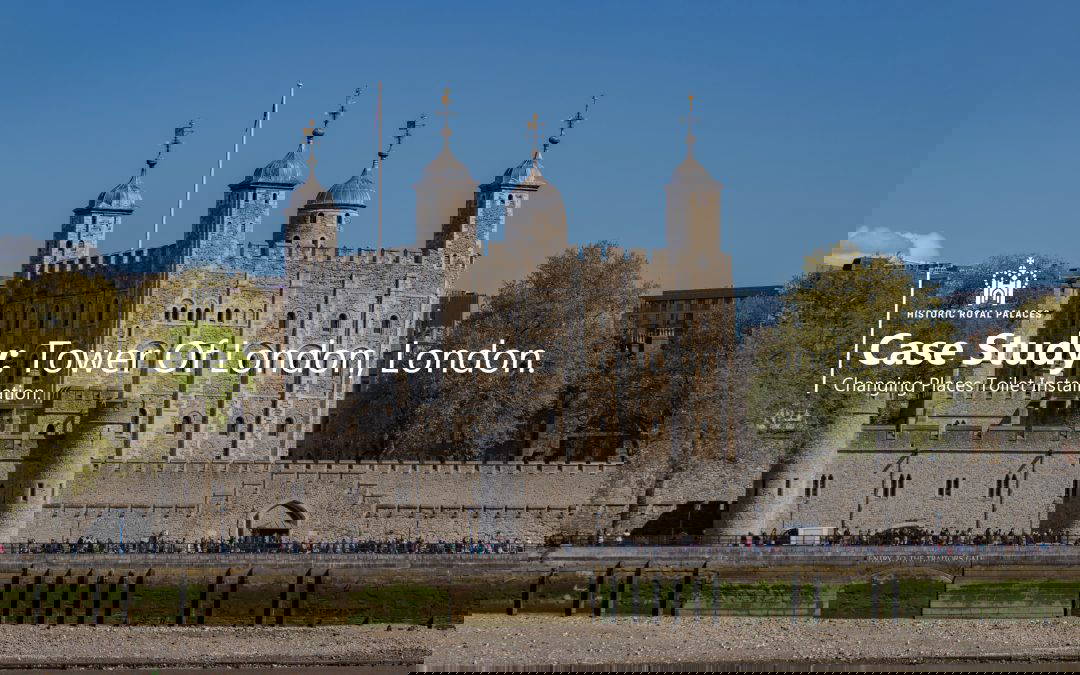
A Historic Setting – Meeting Modern Requirements
Integrating a Changing Places facility within a heritage building presents a unique set of technical and spatial challenges.
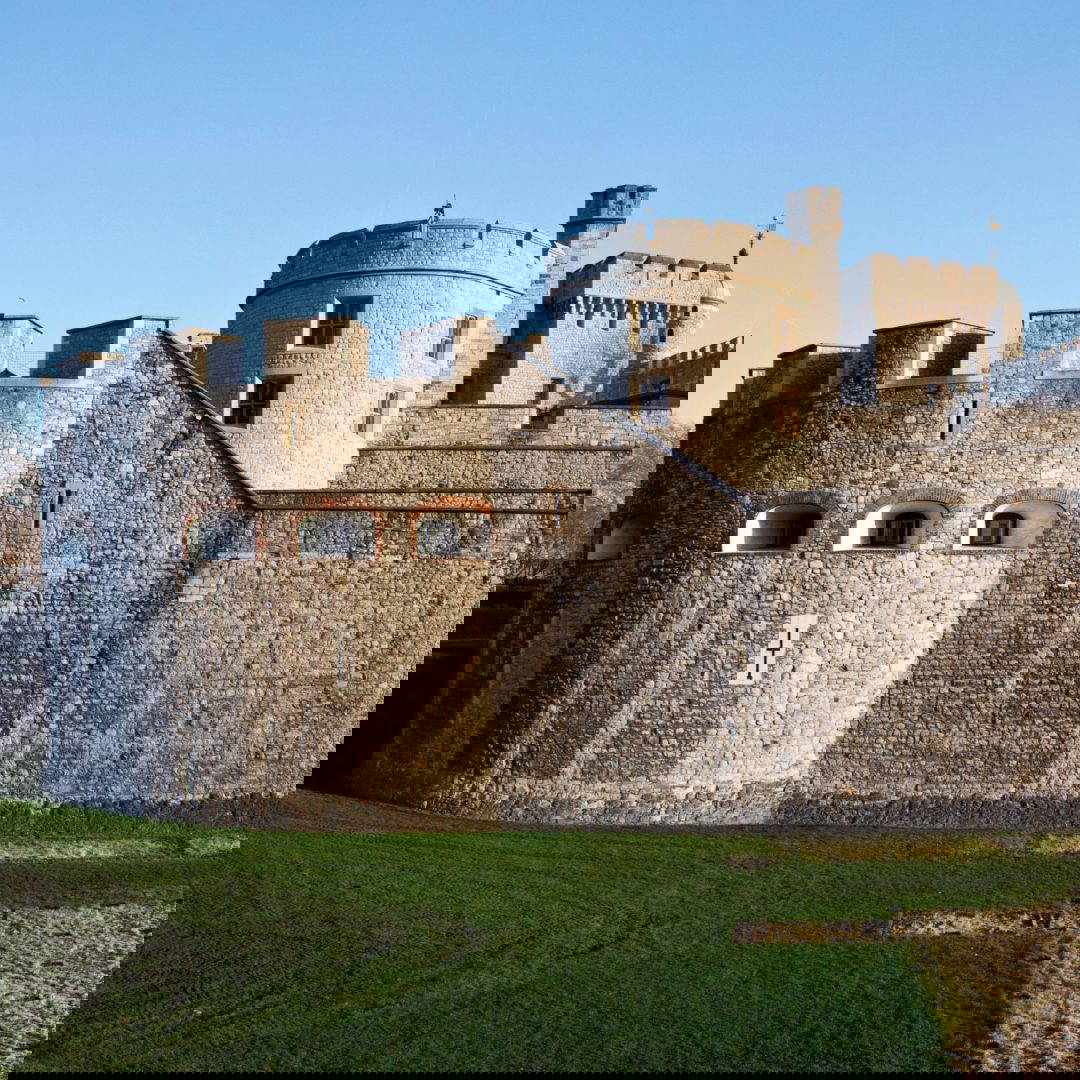
The New Armouries Building, with its historic fabric and structural constraints, required a solution that could be delivered without compromising the integrity of the building. Careful planning and coordination were essential to ensure the installation met current accessibility standards, while remaining sympathetic to the surrounding environment.
This project demonstrates how compliant, fully functional facilities can be successfully incorporated within listed or historically sensitive buildings.
What’s Inside: Our Specification
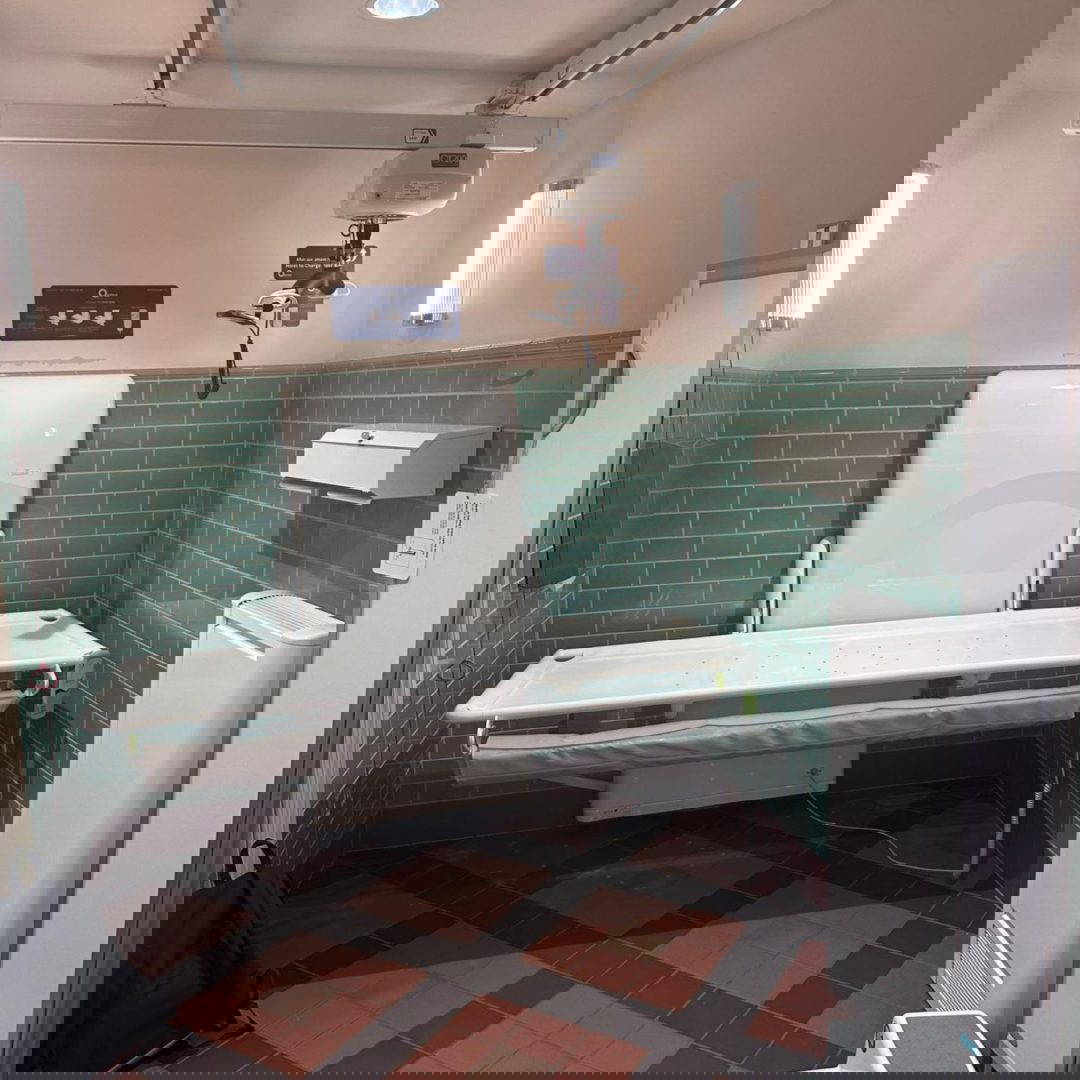
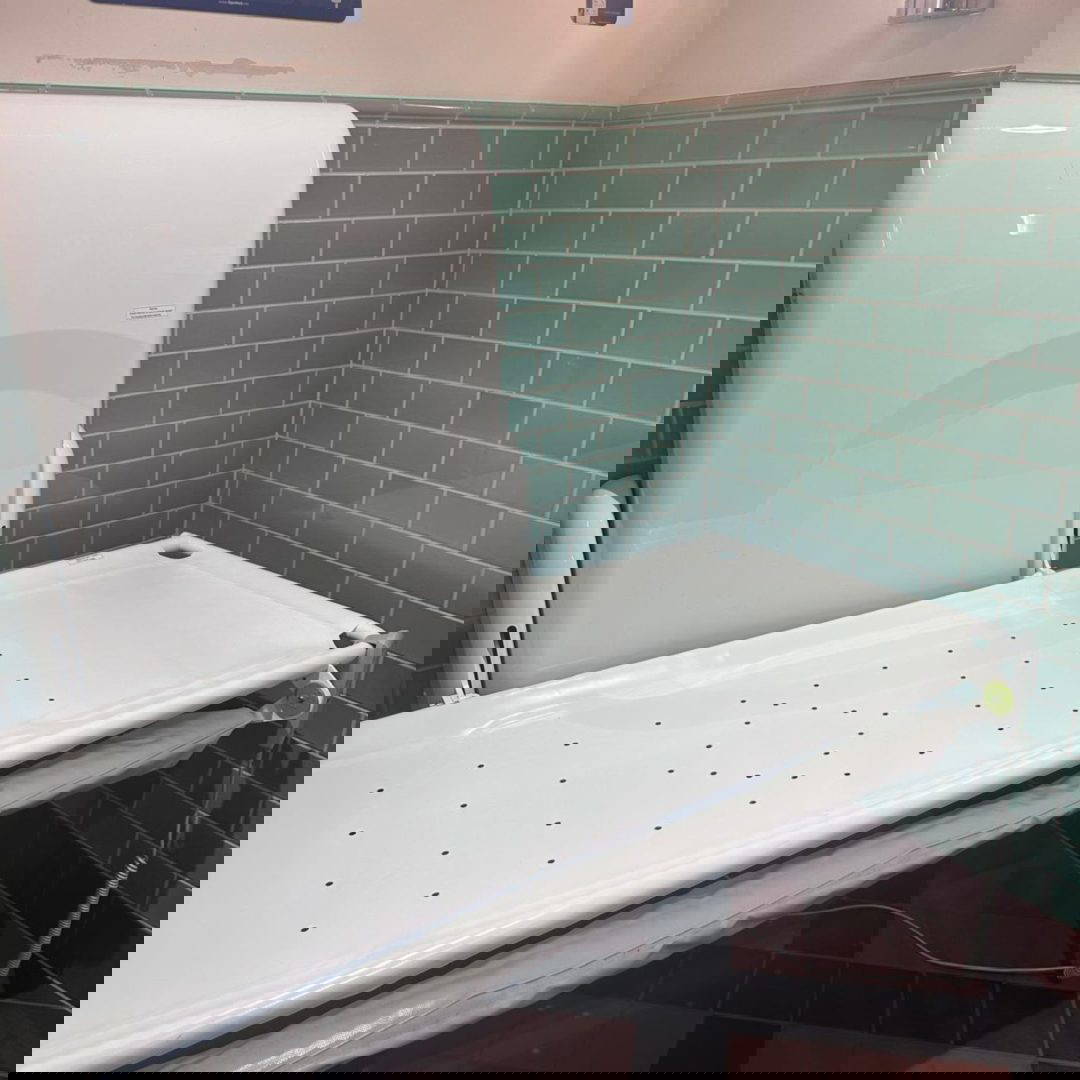
Within the Changing Places room at the Tower of London, we installed:
- Astor OT200 Ceiling Track Hoist, providing safe, smooth and reliable transfers
- Astor CTE2-CP Height Adjustable Changing Table, supporting a range of user needs and carer requirements
- Height Adjustable Wash Basin, designed for dual access by both users and carers
The facility also includes a peninsular WC, grab rails and appropriate circulation space, ensuring the room meets the functional requirements expected of a Changing Places installation.
Why This Matters in a Heritage Context
Providing appropriate accessible facilities within historic landmarks is essential in ensuring they remain relevant and usable for modern audiences.
The inclusion of a Changing Places facility at the Tower of London enables visitors with complex needs to spend longer on site and engage more fully with the experience. It also supports carers and accompanying visitors, removing a key barrier when planning a visit.
Accessibility Across the Site
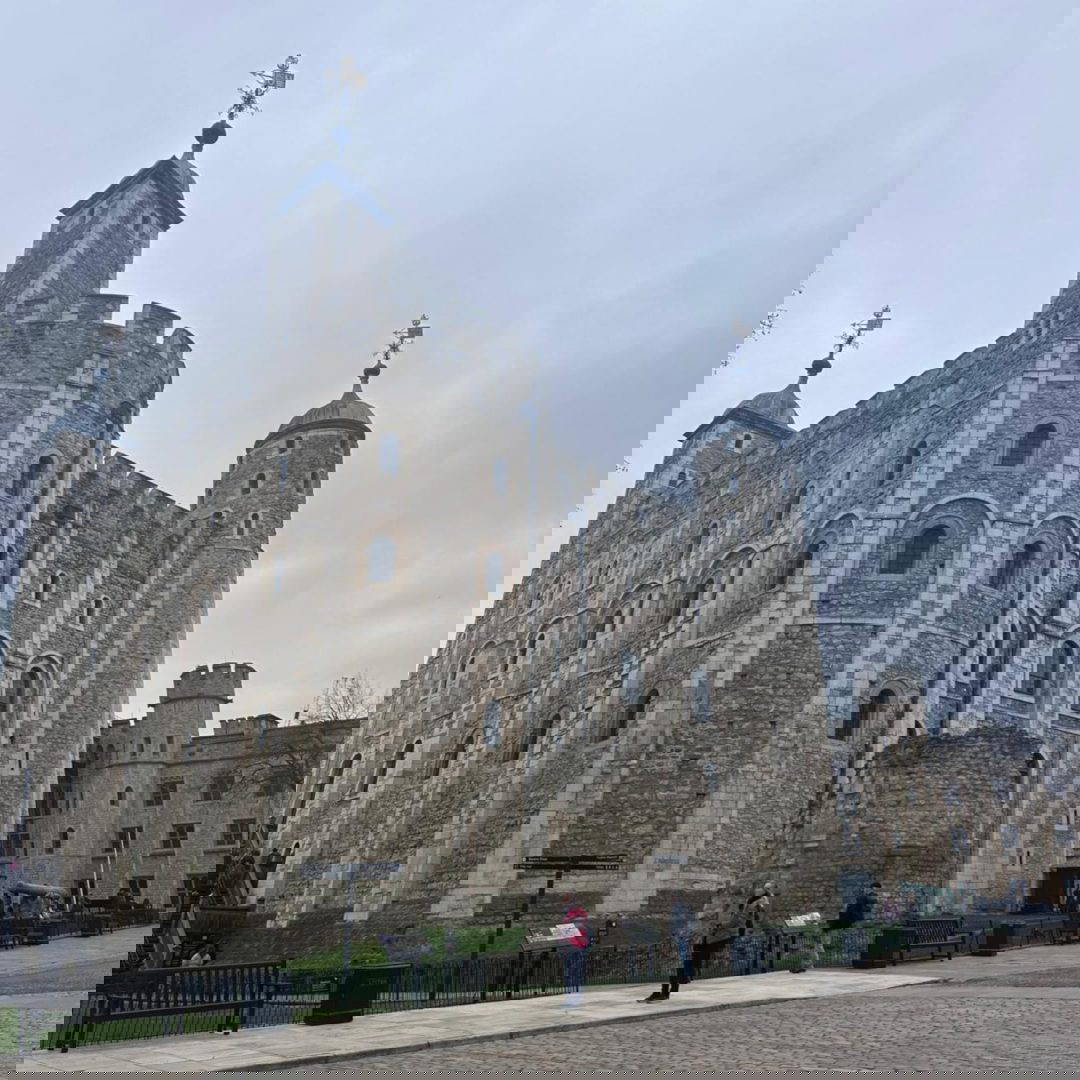
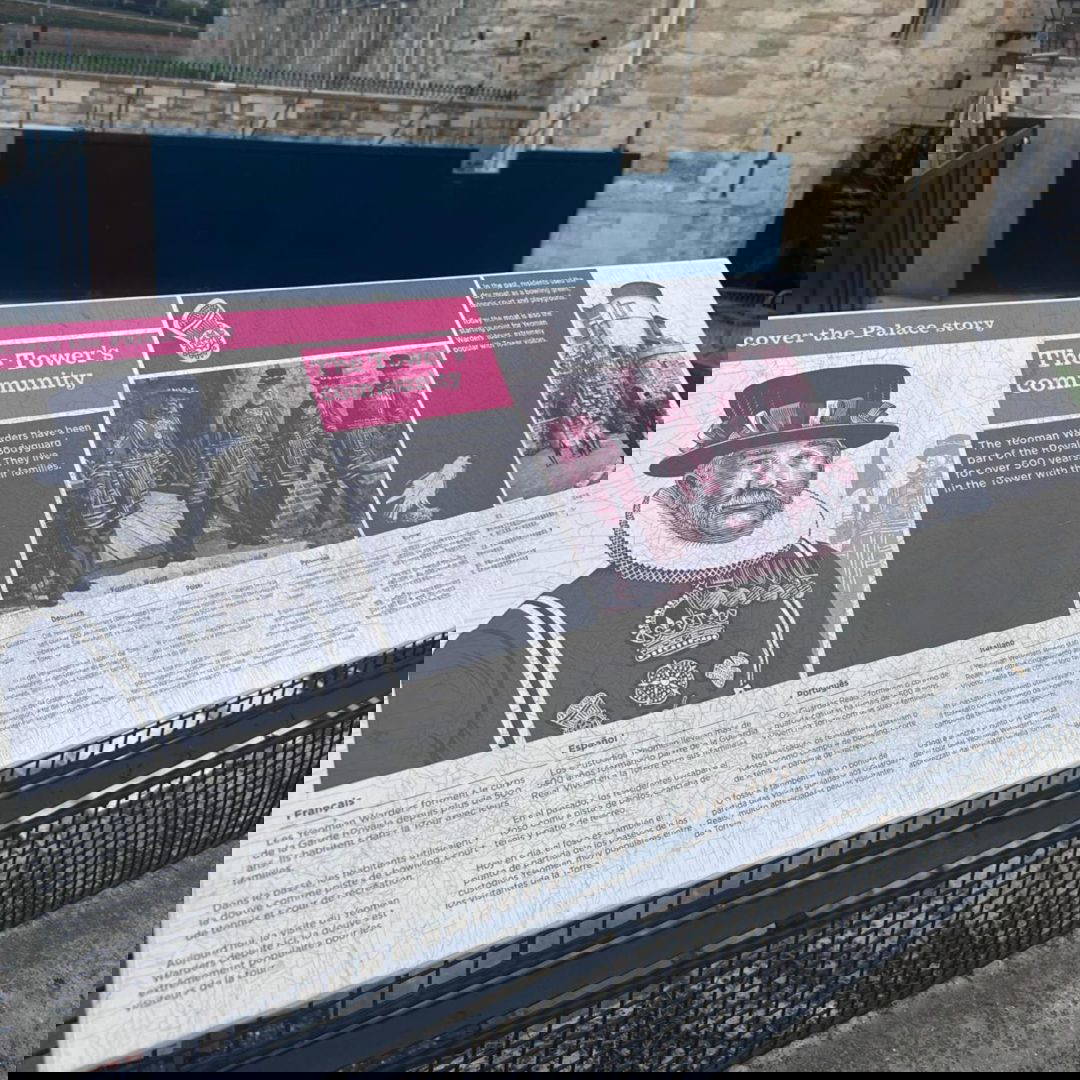
Accessibility at the Tower of London has been carefully considered across the wider visitor experience, despite the inherent challenges of a historic environment.
Due to the nature of the site, including uneven surfaces, cobbled pathways, narrow passageways and spiral staircases, full step-free access is not possible throughout. However, a range of measures are in place to support visitors:
- Step-free access to key areas such as the Jewel House
- Platform lifts and ramps at selected locations, including the White Tower and Chapel Royal
- Wheelchair provision available on a first-come basis
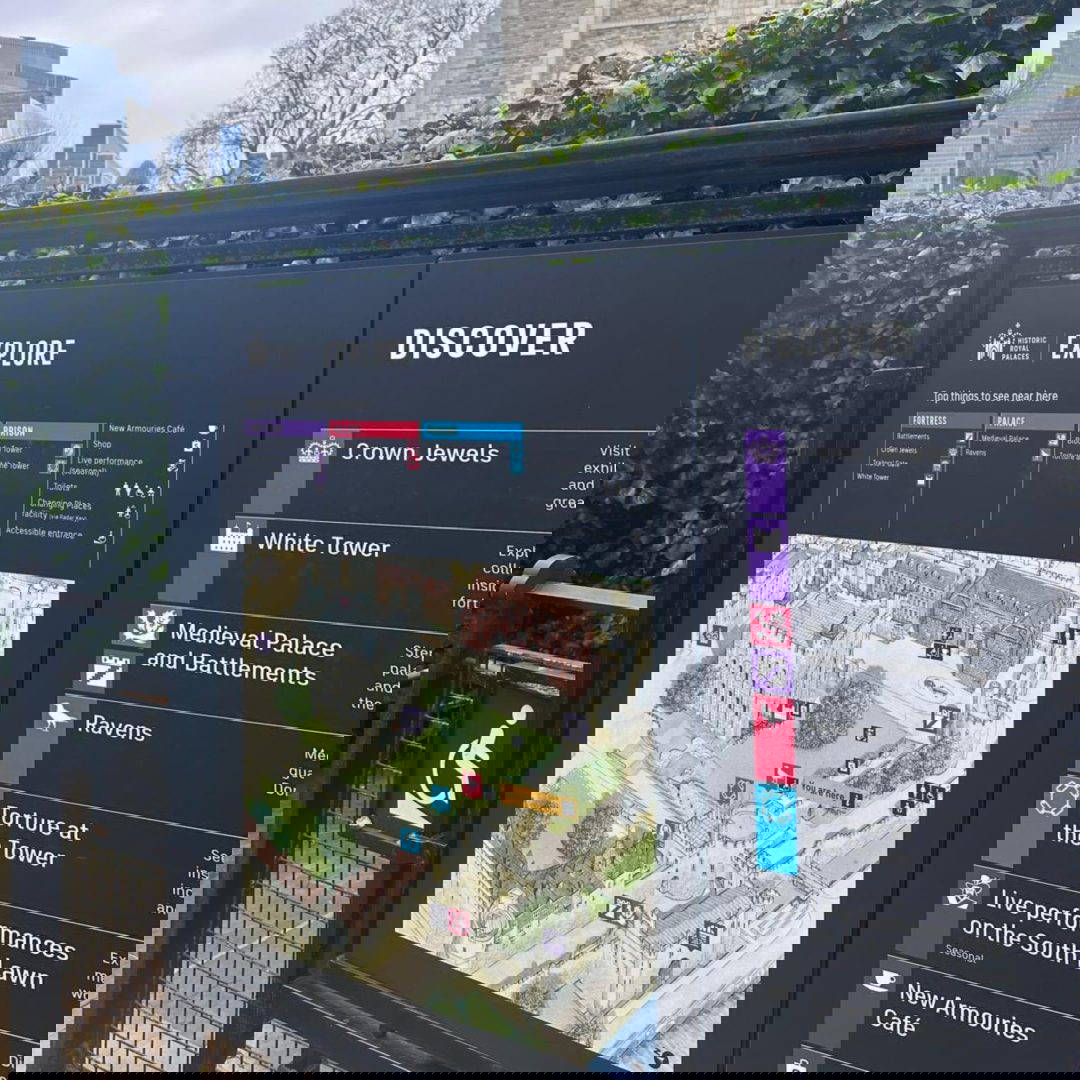
- Clear wayfinding and on-site staff support throughout the visitor journey
In addition, the Tower provides a number of inclusive features to support a wider range of access needs, including:
- British Sign Language tours and digital guides
- Audio-described tours and tactile displays
- Quiet visiting times and sensory guidance
- Support for visitors with hidden disabilities, including optional assistance wristbands
- Free carer and companion tickets
While there are unavoidable physical constraints, this layered approach helps to improve overall accessibility and ensures more visitors can engage with the site.
Accessibility Within Heritage Environments
This project highlights how accessibility and conservation can be delivered in parallel.
With the right level of planning and technical consideration, historic buildings can be adapted to meet current standards — ensuring they remain accessible, functional and inclusive for all users.
Get In Touch
If you’re working on a heritage or complex site and want to ensure accessibility is considered from the outset, our team can help.
From specification through to installation, we support architects, consultants and operators in delivering fully compliant, practical Changing Places facilities.
