
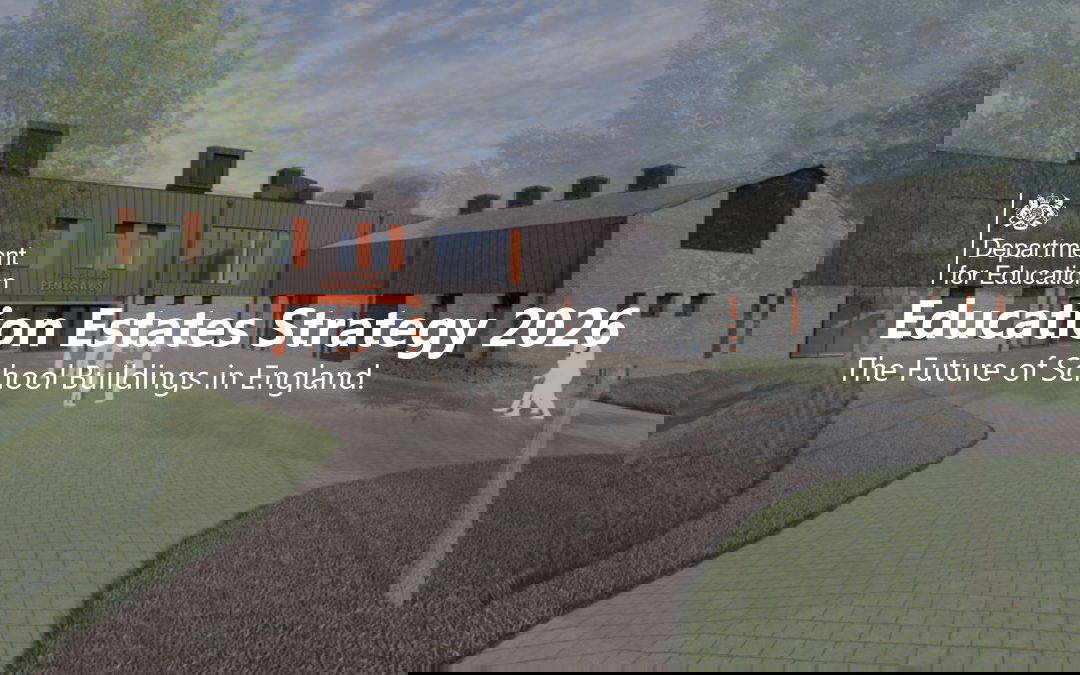
Understanding the Education Estates Strategy
The government recognises that school buildings directly affect learning, wellbeing and accessibility.
Many buildings across the education estate were built between 1940 and 1980 and are now reaching the end of their lifecycle. At the same time, schools are adapting to new challenges including:
-
growing demand for SEND provision
-
climate resilience and overheating
-
changing pupil numbers
-
modern technology requirements
-
rising maintenance backlogs
The new strategy sets out a long-term approach to ensure schools are safe, suitable, sustainable and sufficiently sized.
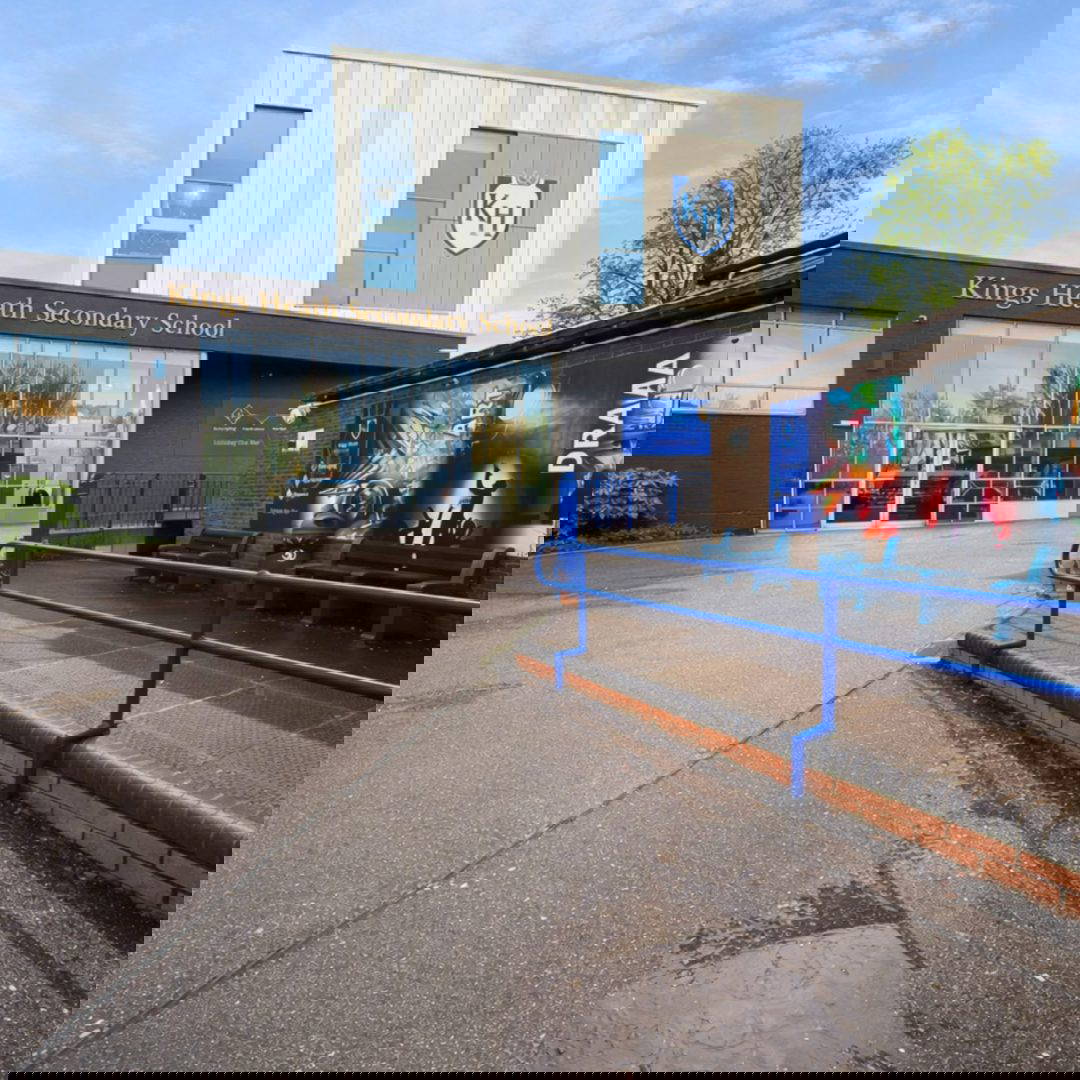
The government has committed £38 billion in capital funding between 2025 and 2030 to improve school and college buildings.
This includes funding for:
-
school rebuilding projects
-
maintenance and repairs
-
improving energy efficiency and sustainability
-
digital infrastructure upgrades
-
additional SEND and specialist spaces
Alongside this, £20 billion will support the School Rebuilding Programme, which aims to rebuild over 750 schools across England by 2034.
One of the biggest changes in the strategy is a move away from reactive repairs.
Instead, the government wants schools and trusts to take a more proactive approach to managing their estates, including:
-
better data on building condition
-
long-term asset management planning
-
earlier intervention to prevent buildings deteriorating
-
clearer estate management standards
A new digital platform called “Manage Your Education Estate” launched in 2026 to help responsible bodies access guidance, funding and estate data in one place.
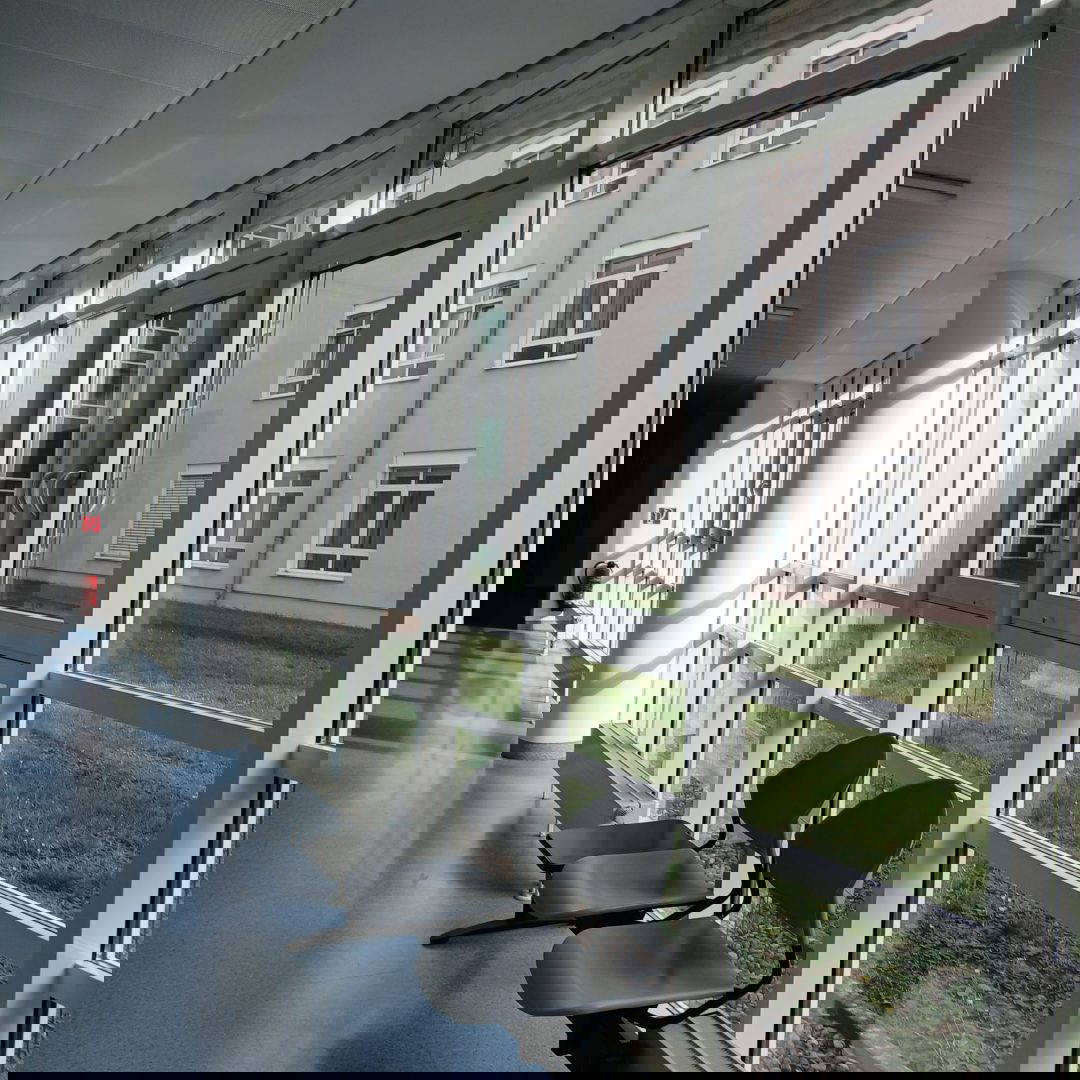
The strategy also places a major focus on making schools more inclusive for children with special educational needs and disabilities (SEND).
The government has committed at least £3.7 billion between 2025 and 2030 to create more specialist and inclusive learning spaces.
This includes:
-
inclusion bases within mainstream schools
-
adaptable learning environments
-
improved accessibility and sensory-friendly spaces
-
better access to outdoor environments
Designing schools that work for all learners is now a key principle of the education estate.

Sustainability and Future-Ready School Buildings
Future school projects will also need to respond to climate change and sustainability goals.
New buildings are expected to:
-
reduce carbon emissions
-
improve energy efficiency
-
increase access to nature and outdoor learning
-
be resilient to overheating and flooding
Many projects will also incorporate solar energy and low-carbon materials.
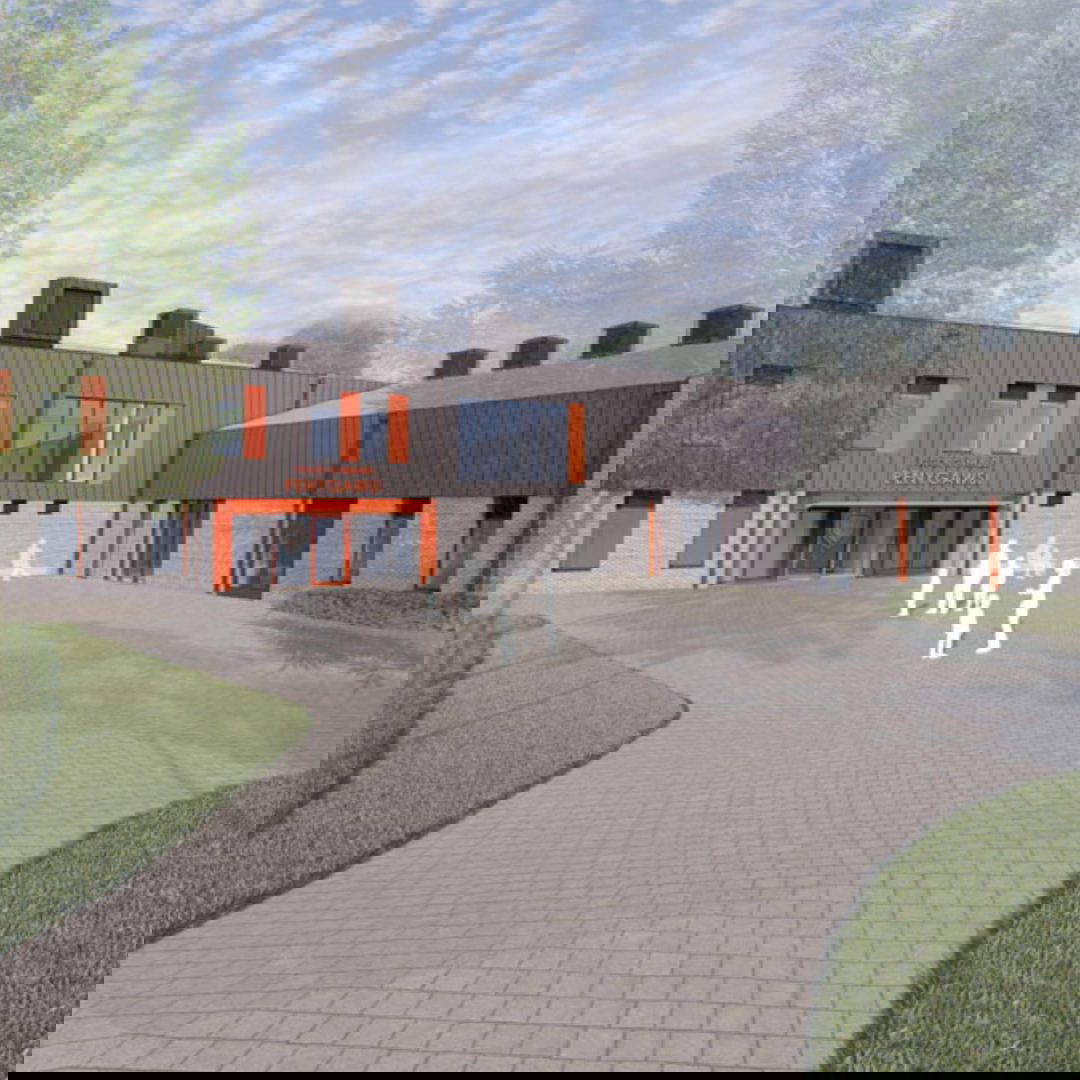
What This Means for the Education Sector
Over the next decade, schools, academy trusts and local authorities will increasingly need to think about their estates in long-term strategic terms.
This will involve:
-
planning for changing pupil numbers
-
making better use of existing space
-
improving accessibility and inclusion
-
maintaining buildings before problems escalate
For architects, contractors and suppliers working in the education sector, the strategy signals a steady pipeline of projects and investment in school infrastructure.
Astor School Hygiene Room Range
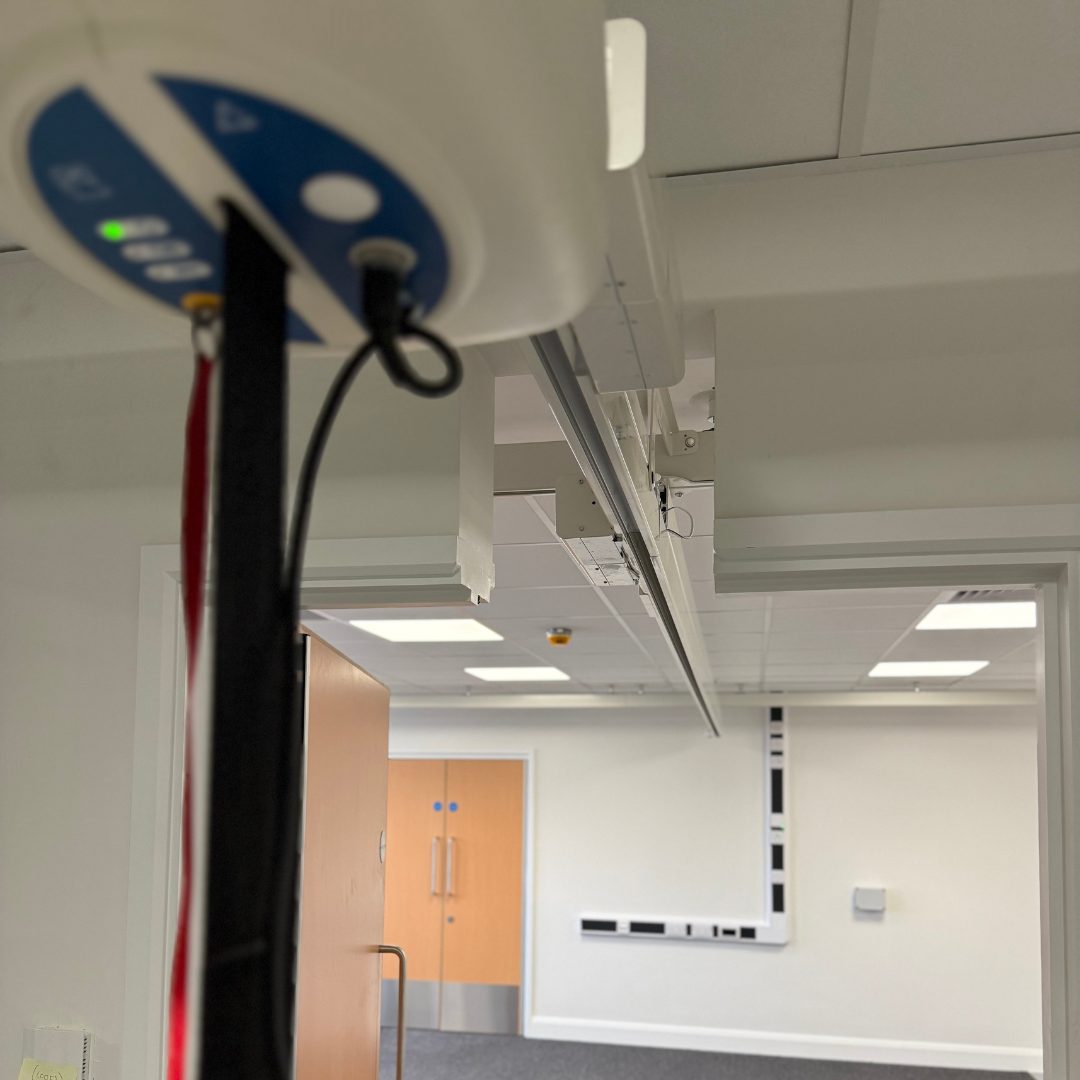
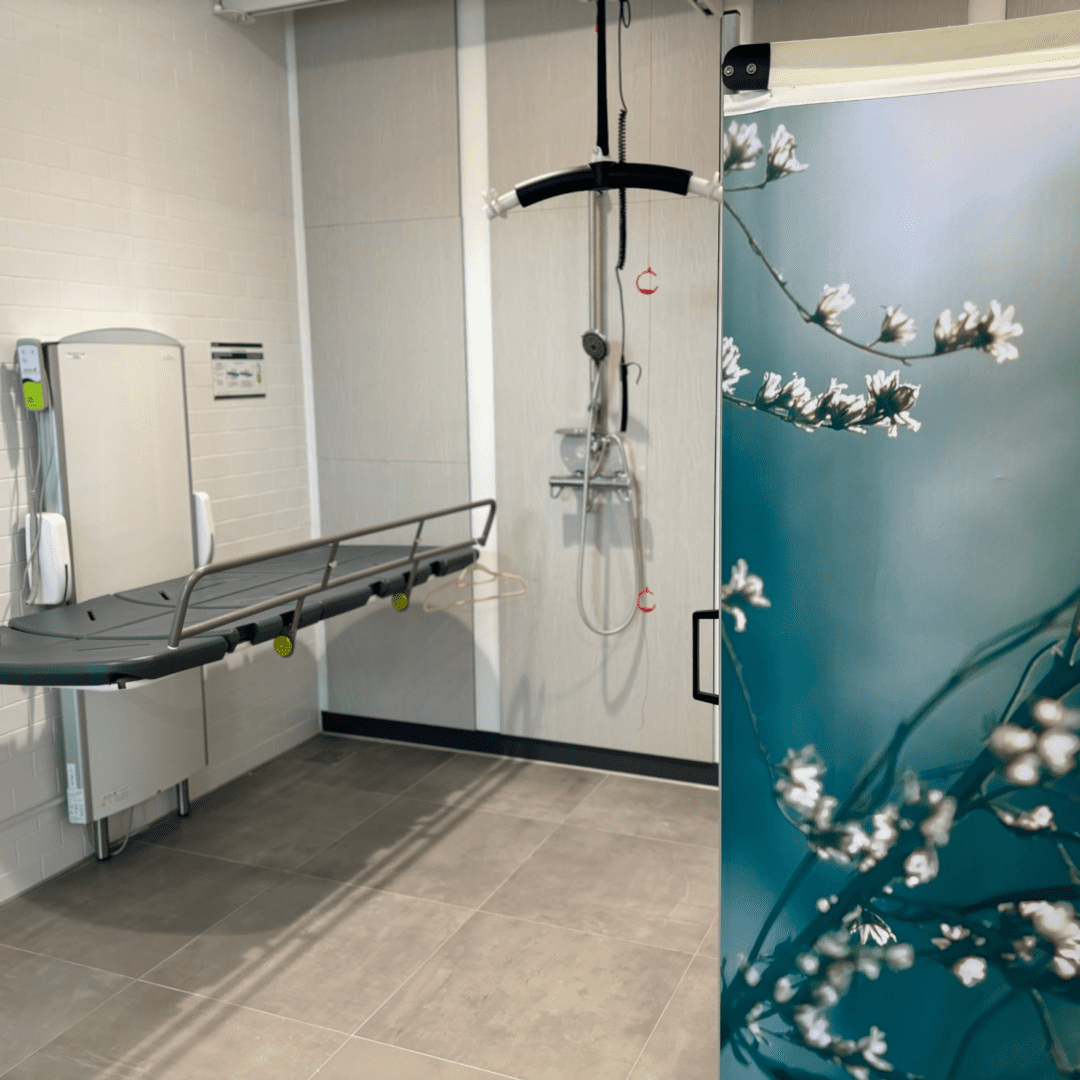

Supporting Inclusive School Environments
At Astor Bannerman, we work with schools, trusts and design teams across the UK to create accessible hygiene and care facilities that support inclusive education.
As the education estate continues to evolve, ensuring the right spaces are available for personal care, dignity and accessibility will remain an important part of creating schools where every pupil can thrive.
