
Over the past nine weeks, I have carried out research on physical conditions such as Cerebral Palsy, Muscular Dystrophy and Spinal Cord Injury. This involved interviewing people and families living with these conditions to gain a deeper insight into the impact of physical disability on bathing.
Site visits and conversations with families, experts by experience and the Astor Bannerman team have taught me the importance of treating each customer as an individual, considering the family unit they are part of, thinking long term, and listening to the voices of those who will be using personal hygiene equipment. Learning how varied the presentation and impact of these conditions can be, has demonstrated the importance of individualised care.
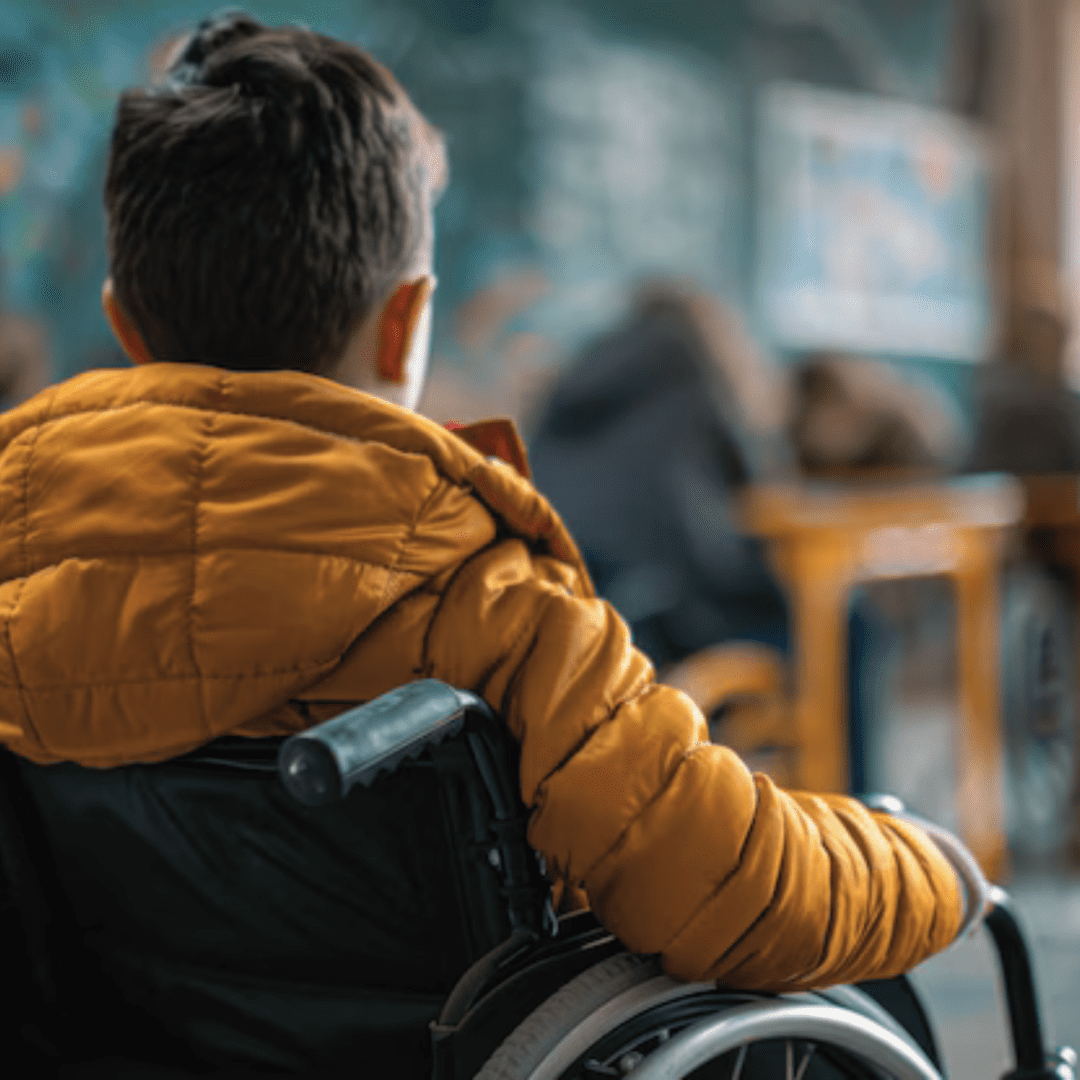
I have learned that bathing is uniquely complex, and that empowering people’s choices can coexist with safety when the right support and equipment are in place.
Bathing as a Meaningful Occupation
Bathing has been categorised by the American Occupational Therapy Association (AOTA, 2020) as an activity of daily living. It carries physical, sensory, cognitive and emotional demands. Many of these challenges were highlighted in the literature I explored during my research project, which shows how factors such as muscle tone, cognitive processing, sensory needs and fatigue can create barriers for people with a wide range of disabilities.
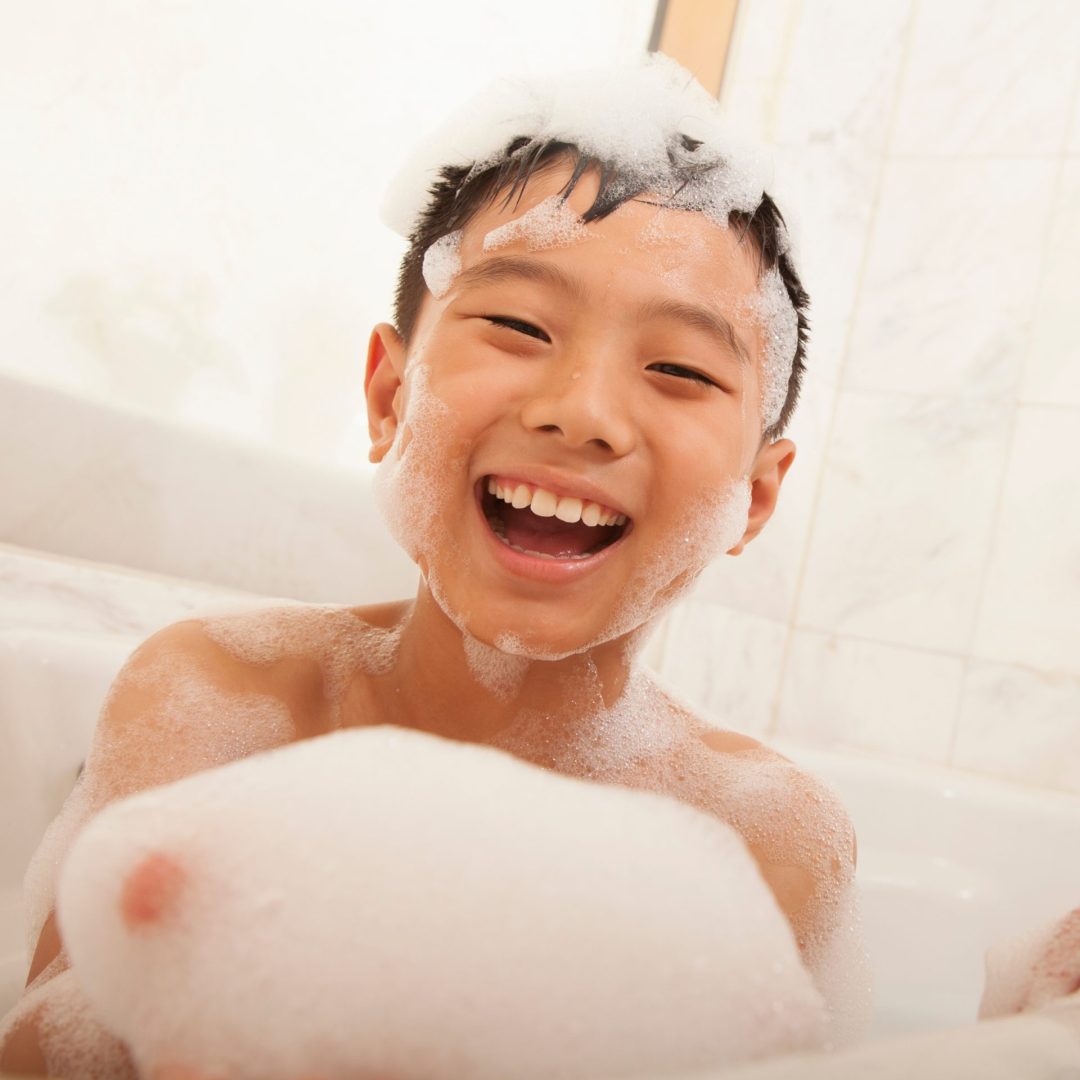
Bathing also carries significant personal meaning. Families described bath time as: a place to unwind after pain-filled days and a rare opportunity to feel free in water. Bathing is not only about hygiene – it is about dignity, identity and respite. This emotional significance came through strongly in the lived-experience narratives included in my project, where parents and young people discussed the difference a safe, accessible bath made to their wellbeing.
I was interested to learn from research by Hoekstra et al. (2020) that examines the body’s anti-inflammatory response to passive heating, which can be achieved through immersion in hot water. This research further points to health and wellbeing benefits of bathing, especially for people with complex physical disabilities who are unable to achieve an elevated body temperature through movement and exercise.
There are also clinical benefits to bathing. Cross-sectional studies by Goto et al. (2018) reported that people who bathe in hot water experience good subjective health, strengthened immune function, improved sleep, pain relief and lower stress levels. These findings support the physical and psychological benefits of bathing.
Embracing Risk, Enabling Choice
Guidance from the Royal College of Occupational Therapists (RCOT, 2018) states that to help people access services, achieve their chosen goals and participate fully in life, occupational therapists must embrace and engage with risk. This guidance can be used as a reference point when balancing the risks of bathing with its therapeutic benefits and individual preferences.
Bathing can be viewed as both an activity of daily living and a deeply meaningful occupation, particularly for families with young children. It is not just about keeping clean; the experience itself – and the involvement of carers and family members – is equally important. Pain relief, alongside physical and psychological benefits, should also be considered when weighing up risk.
Service Users at the Centre of Practice
Occupational therapists have a duty to place service users at the centre of practice, working in partnership with them and upholding their autonomy. Practice is shaped by the occupational needs, aspirations, values and choices of those who access occupational therapy (RCOT, 2021, 3.4).
The risk enablement process provides a structured framework within which occupational therapists can assess and support risk-taking. Risk assessments and enablement plans should be shared with all professionals involved in the individual’s care.
The Meaning of Bathing
Listening to participants describe their experiences highlighted how meaning elevates bathing from a “nice to have” to an occupation that shapes quality of life. One participant described his bath as a place to listen to music, relax and unwind. Another parent described it as a space where her daughter feels free and weightless.
Equipment Can Overcome Barriers to Bathing
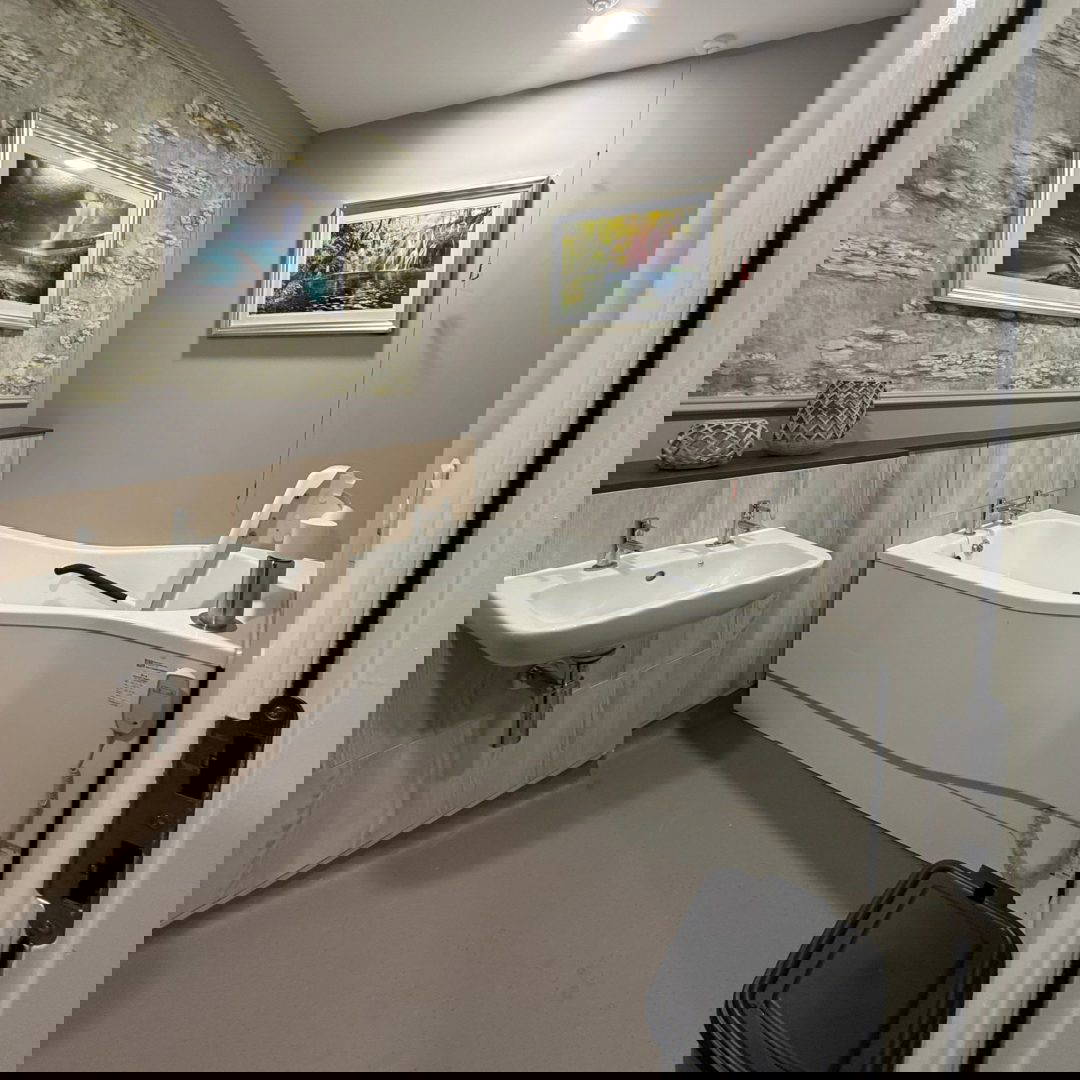
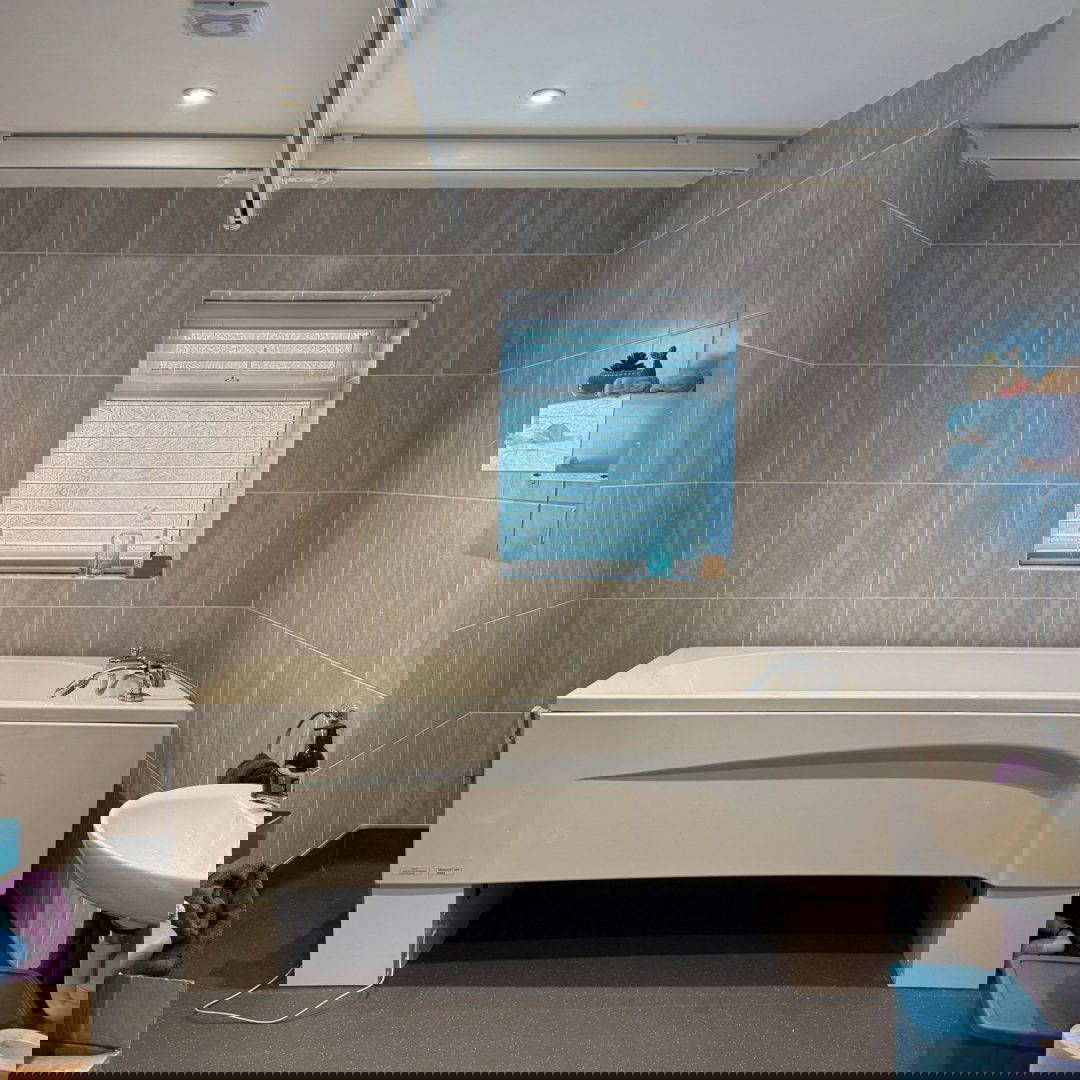
Working alongside the Astor Bannerman team has helped me see equipment through a much wider lens.
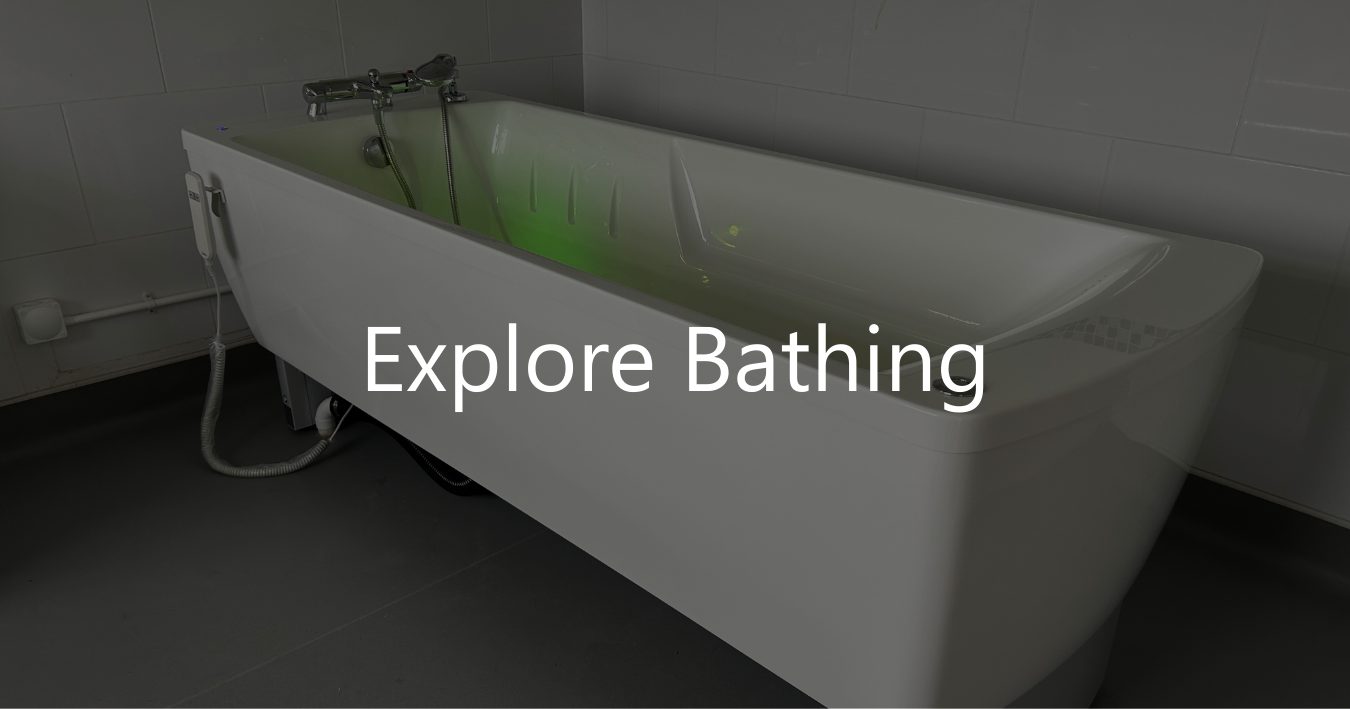
From height-adjustable baths to supportive postural seating and hoisting solutions, I have seen how the right equipment can promote independence. It enables:
- children to enjoy water safely for longer,
- carers to protect their backs and reduce fatigue,
- young adults to maintain independence,
- safe bathing for people with sensory differences, pain or reduced strength.