
The 5 SEND Reform Principles – Explained Simply
The first principle is Early intervention.
At the heart of the reforms is a commitment to ensuring children and young people receive appropriate support as early as possible, without unnecessary delay or escalation.
This means:
-
Needs should be identified early
-
Support should be proportionate to the child’s needs
-
Children should not have to wait for a crisis or an EHCP before reasonable adjustments are made
In practice, schools are expected to put practical, evidence-based support in place quickly – including environmental and facilities-based adjustments.

The second principle is Local provision.
The DfE has acknowledged that provision for SEND currently varies significantly depending on location and setting. One of the reform principles is to introduce clear national standards so families can expect consistency.
This includes:
- Clear expectations of what mainstream schools should ordinarily provide
- Reduced reliance on bespoke or crisis-driven solutions
- Better alignment between education, health and care
Facilities that support personal care, continence and hygiene form part of this consistency. A child’s access to dignified toilet and hygiene provision should not depend on postcode or school type.

The third principle is Shared responsibility. without over‑reliance on EHCPs
The reforms aim to move away from a system where families feel forced to pursue an Education, Health and Care Plan (EHCP) simply to access basic support.
Instead, schools should:
-
Respond earlier to emerging needs
-
Make reasonable adjustments as standard
-
Use the environment to reduce barriers to participation
This principle reinforces the importance of inclusive design – including hygiene facilities that can be used safely by pupils with physical disabilities, sensory needs or personal care requirements.
The fourth principle is Effective provision.
The DfE has been clear that SEND provision must be both effective and accountable.
Schools and local authorities are expected to demonstrate that funding is being used to create meaningful, measurable outcomes for pupils.
Investing in the right facilities first time:
-
Reduces costly retrofits
-
Prevents unsafe or inappropriate care practices
-
Supports staff to deliver care consistently and safely
Well-designed hygiene rooms are not an ‘extra’ – they are a safeguarding and inclusion requirement.

5. Fair – consistent, predictable support for every child
The fifth principle is Fair access to provision.
A central aim of the reforms is to make mainstream education more inclusive, reducing the need for children to be educated away from their local community.
True inclusion goes beyond teaching strategies. It includes:
- Physical access
- Dignity in personal care
- Facilities that support independence wherever possible
If a school cannot meet a pupil’s most basic needs – including toileting and hygiene – inclusion cannot be achieved in practice.
What This Means for Toilets and Hygiene Rooms in Schools
While SEND reform is often discussed in terms of funding, assessments and provision, the physical school environment plays a critical role in delivering the five principles in practice.
For many pupils with SEND, access to appropriate toilet and hygiene facilities is essential to attending school safely, comfortably and consistently. Where facilities are poorly designed, incorrectly specified or absent altogether, pupils may miss learning time, staff may be placed at risk, and inclusion is undermined.
Under the DfE’s reform principles, schools are expected to anticipate and meet common and predictable needs as part of ordinary provision. This includes spaces that support personal care, continence and hygiene with dignity.
Astor School Hygiene Room Range
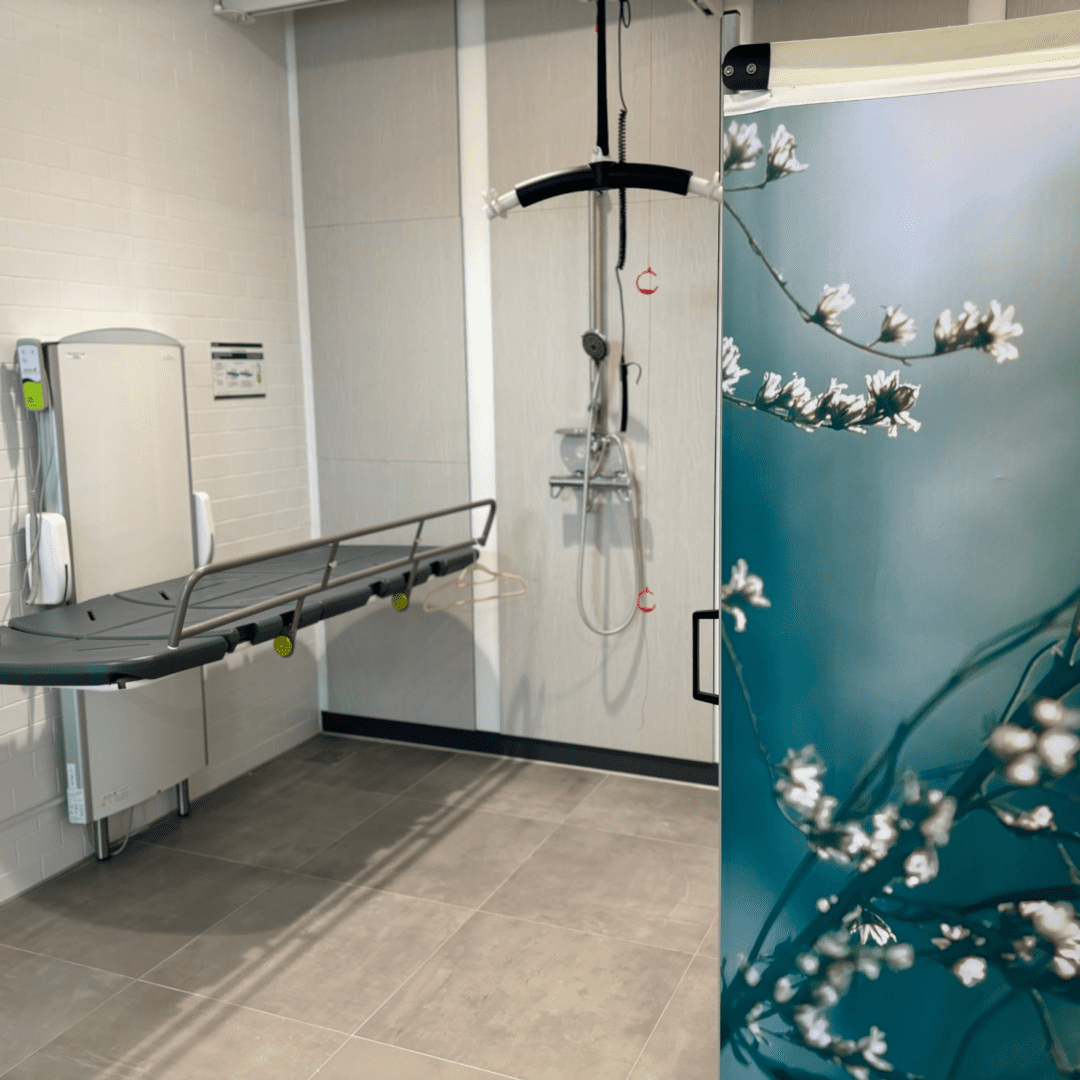

How Astor Bannerman Supports Schools
Astor Bannerman works with schools, trusts, local authorities and design teams to ensure hygiene rooms are appropriate, compliant and aligned with the DfE’s SEND reform principles.
Our support includes:
-
Early-stage advice on hygiene room requirements based on pupil needs
-
Guidance on inclusive toilet and hygiene provision as part of ordinary school design
-
Support for meeting Building Bulletin guidance (BB103, BB104)
-
Reviewing layouts to ensure dignity, safety and ease of use
-
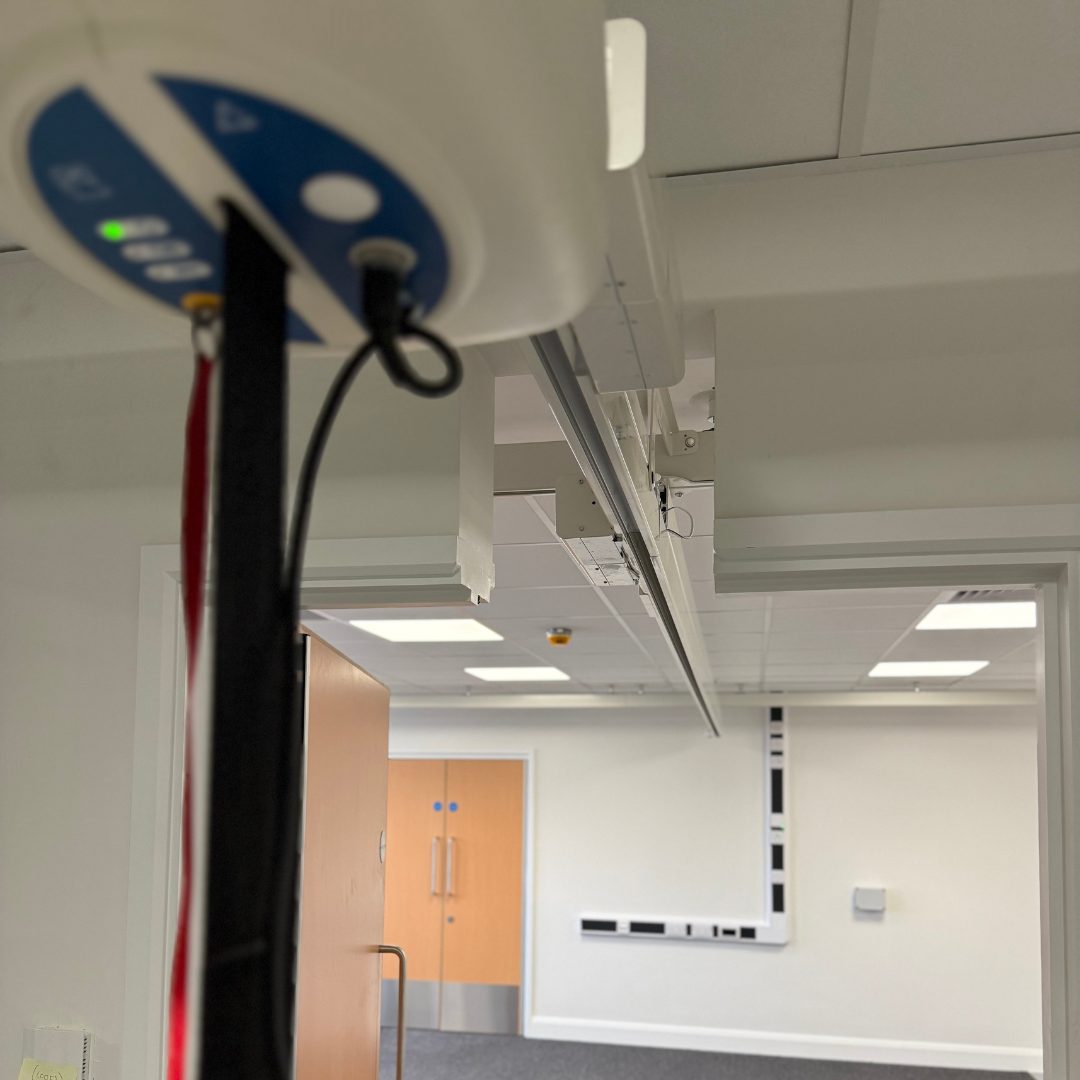
Providing UK-manufactured, height-adjustable equipment suited to education settings
By engaging early, schools can ensure hygiene provision is planned, proportionate and effective – directly supporting Early intervention, Local inclusion and Fair access for pupils with SEND.
Final Thoughts
The DfE’s SEND reform principles are about more than policy change – they are about removing barriers that prevent children from accessing education.
Toilet and hygiene provision is a fundamental part of this. When schools plan inclusive hygiene rooms as part of ordinary provision, they support attendance, safeguard staff, and uphold dignity for pupils.
Done well, hygiene facilities become a quiet enabler of SEND reform – helping schools deliver Early, Local, Shared, Effective and Fair support in practice.
