
Planning a journey starts with the map
For most of us, leaving the house for a day out requires very little planning. But for families supporting someone with complex disabilities, things can be very different.
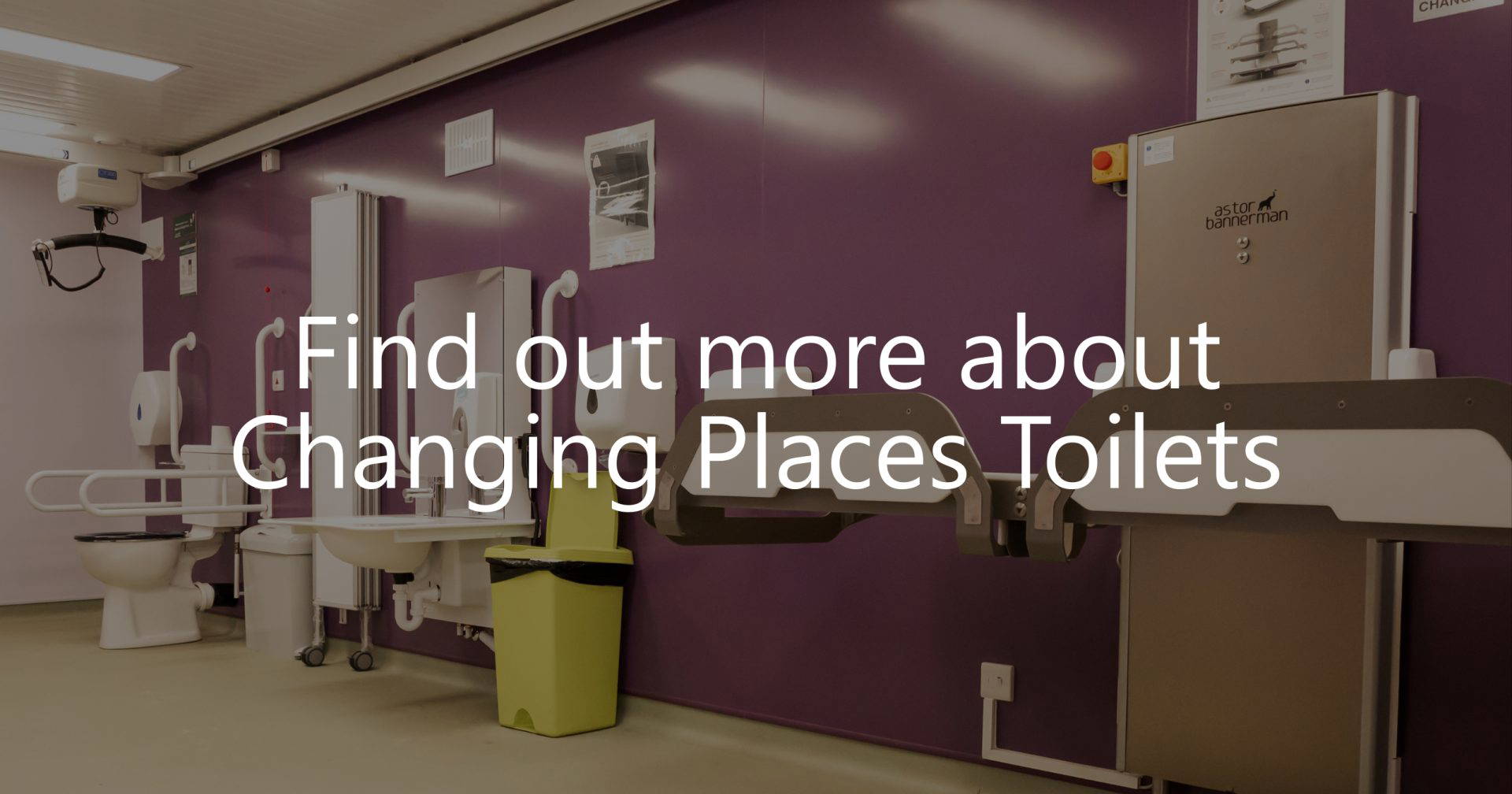
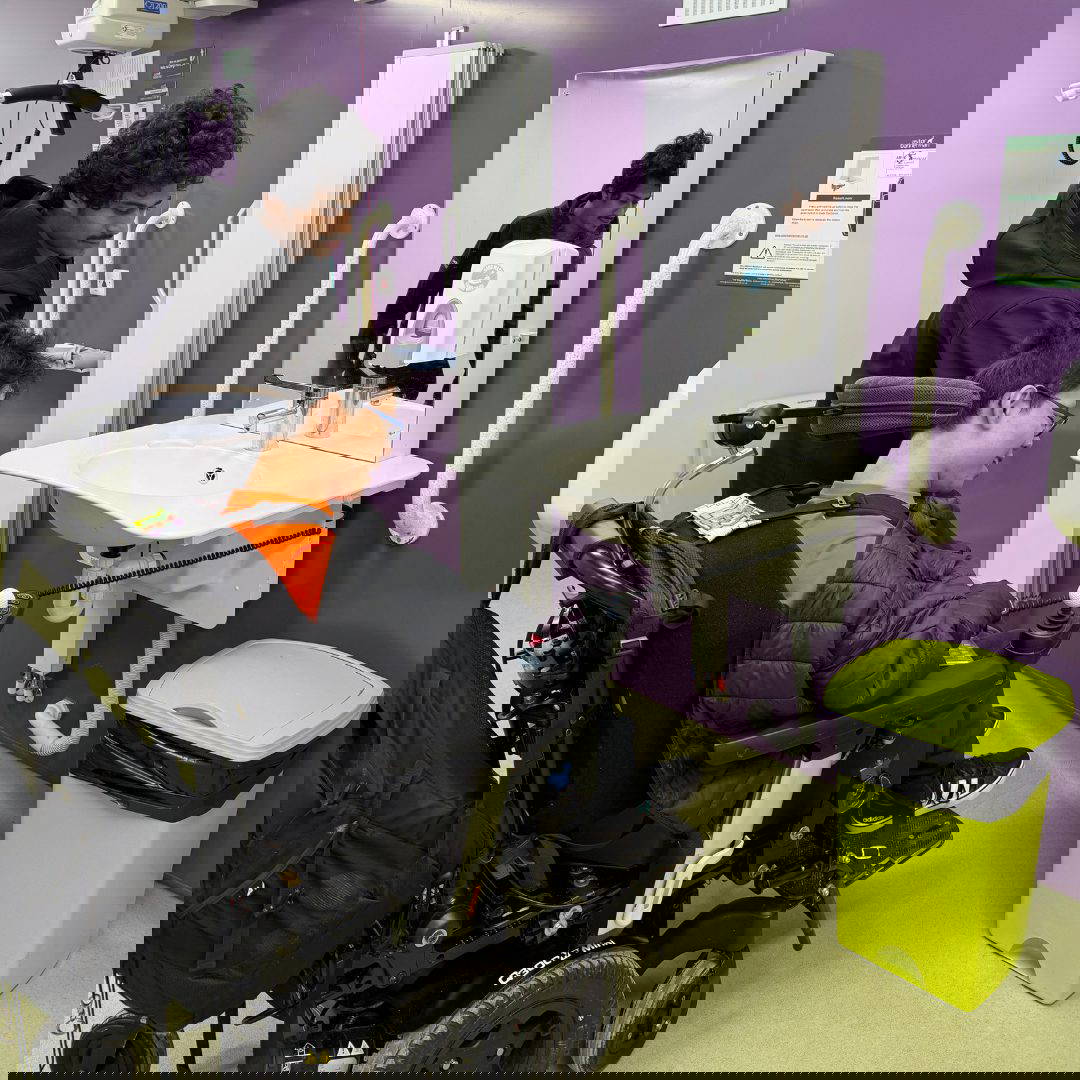
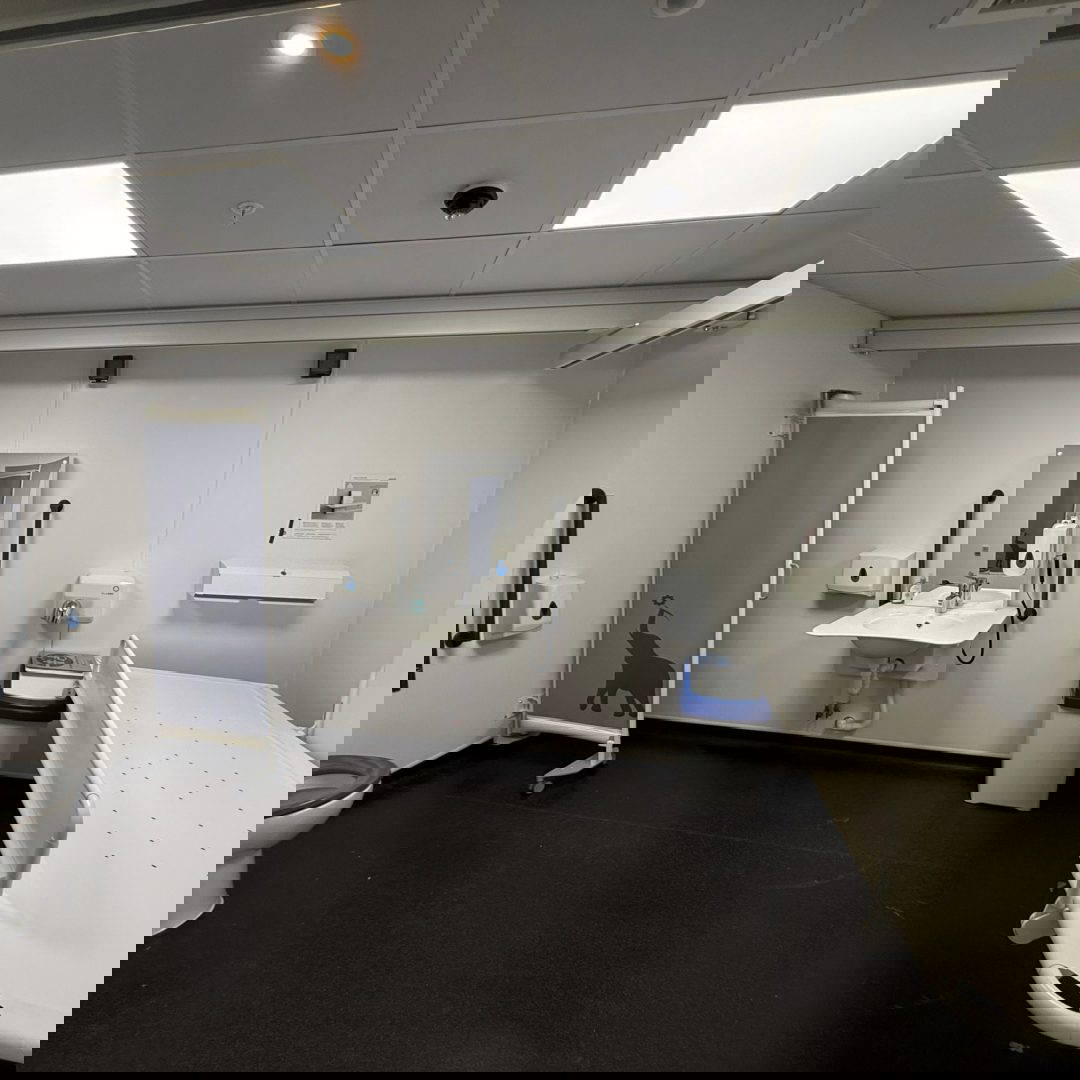
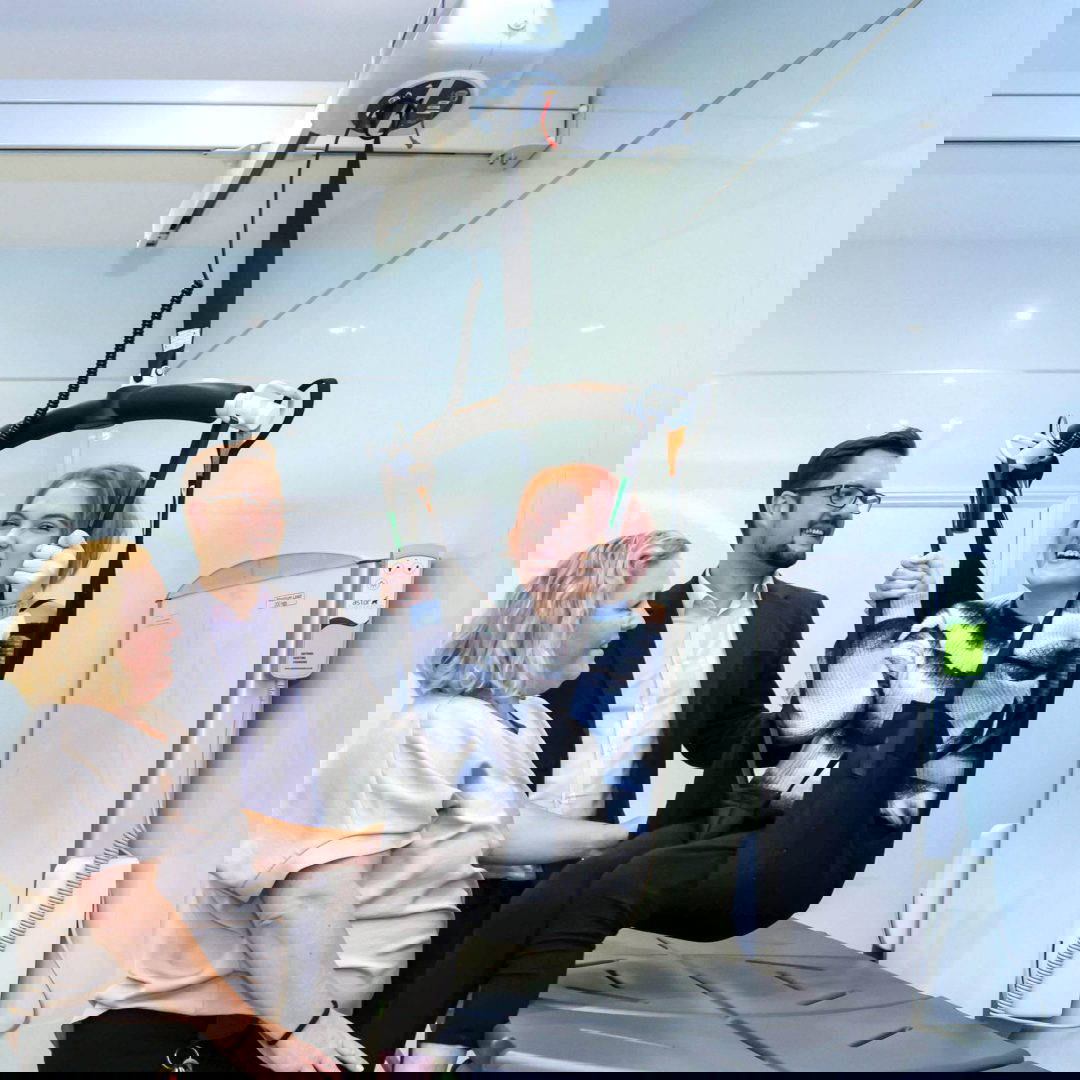
Many people who need a Changing Places toilet cannot safely use a standard accessible toilet. They require specialist equipment such as a height-adjustable adult changing bench, a ceiling track hoist and sufficient space for carers to assist.
That means trips away from home often begin with one key question:
Where is the nearest Changing Places toilet?
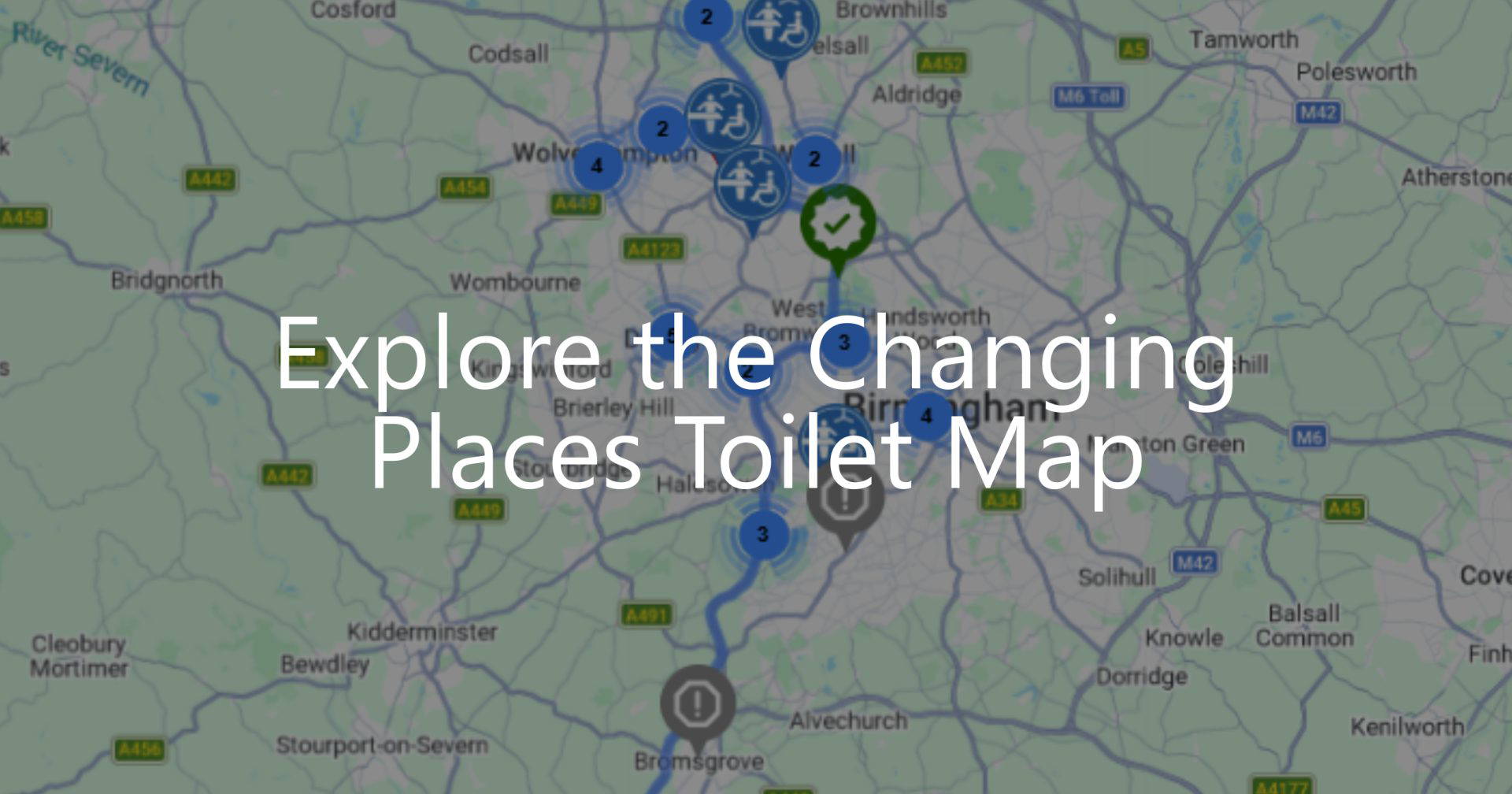
The national map provided by Changing Places UK has become an essential planning tool. Families use it to check destinations, identify facilities along travel routes and confirm that suitable toilets will be available during their visit. Without that certainty, a trip may simply not happen.
A growing network – but visibility matters
The number of Changing Places toilets across the UK has grown significantly over the last decade. Increased awareness, strong campaigning, Government funding and updated legislation and building regulations mean that many new large public buildings must now include one.
That’s a huge step forward for accessibility.
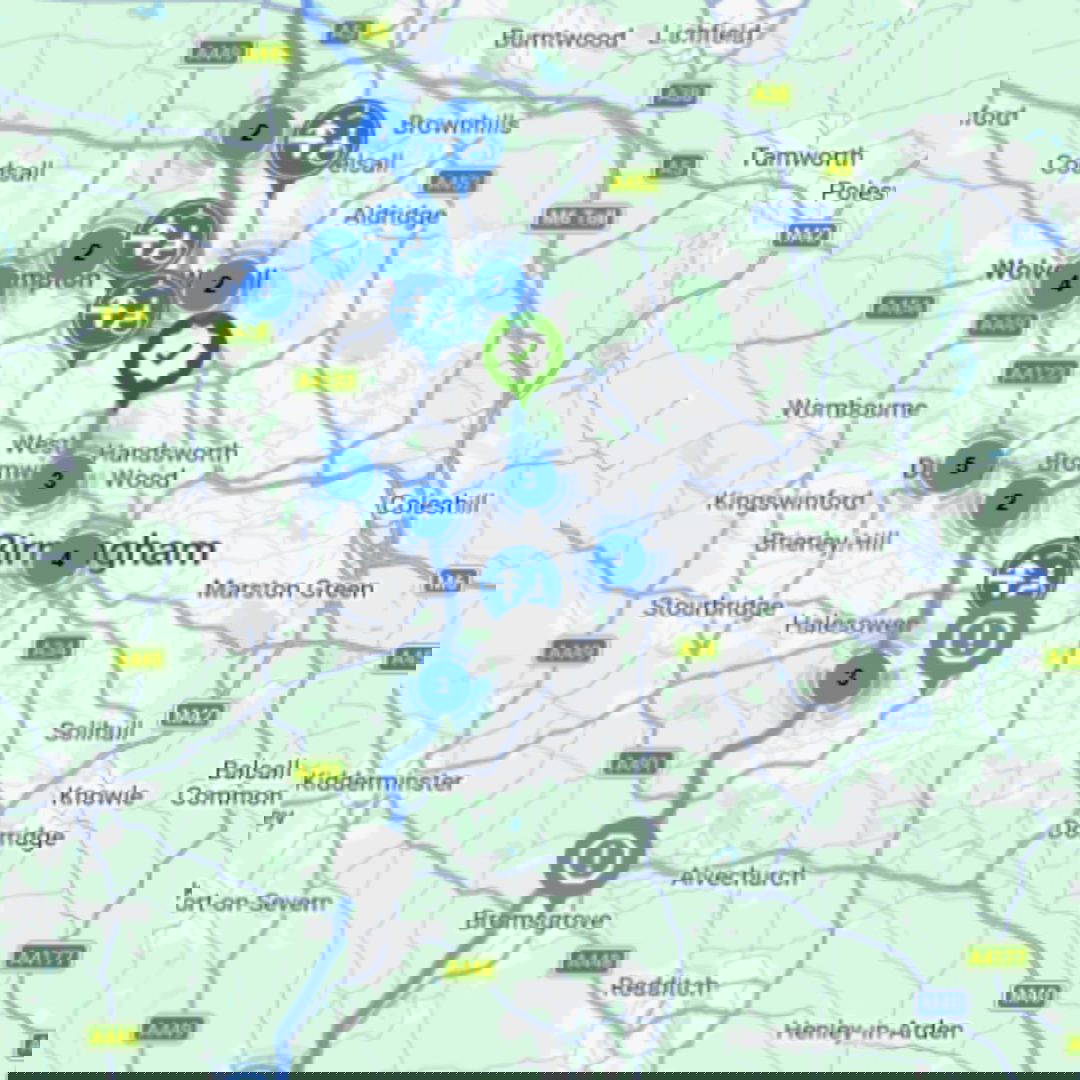
However, installation alone isn’t enough. If a venue installs a Changing Places toilet but doesn’t register it on the national map, families searching online may never know it exists. When planning a journey, they’ll see no facility listed and assume the location isn’t accessible.
The result is that a fully equipped facility may sit unused by the people it was designed for. From an accessibility perspective, that’s a missed opportunity.
Why registration matters for families
People who rely on Changing Places toilets often need to plan journeys carefully.
That might mean:
- mapping accessible stops along a motorway journey
- checking opening hours at a destination
- confirming whether access requires a RADAR key or staff assistance
For families, having this information in advance can mean the difference between being able to travel or staying at home.
Registration helps provide that reassurance. It allows families to explore new places, visit attractions and travel further with confidence. And in many cases, it opens up opportunities that simply weren’t possible before.
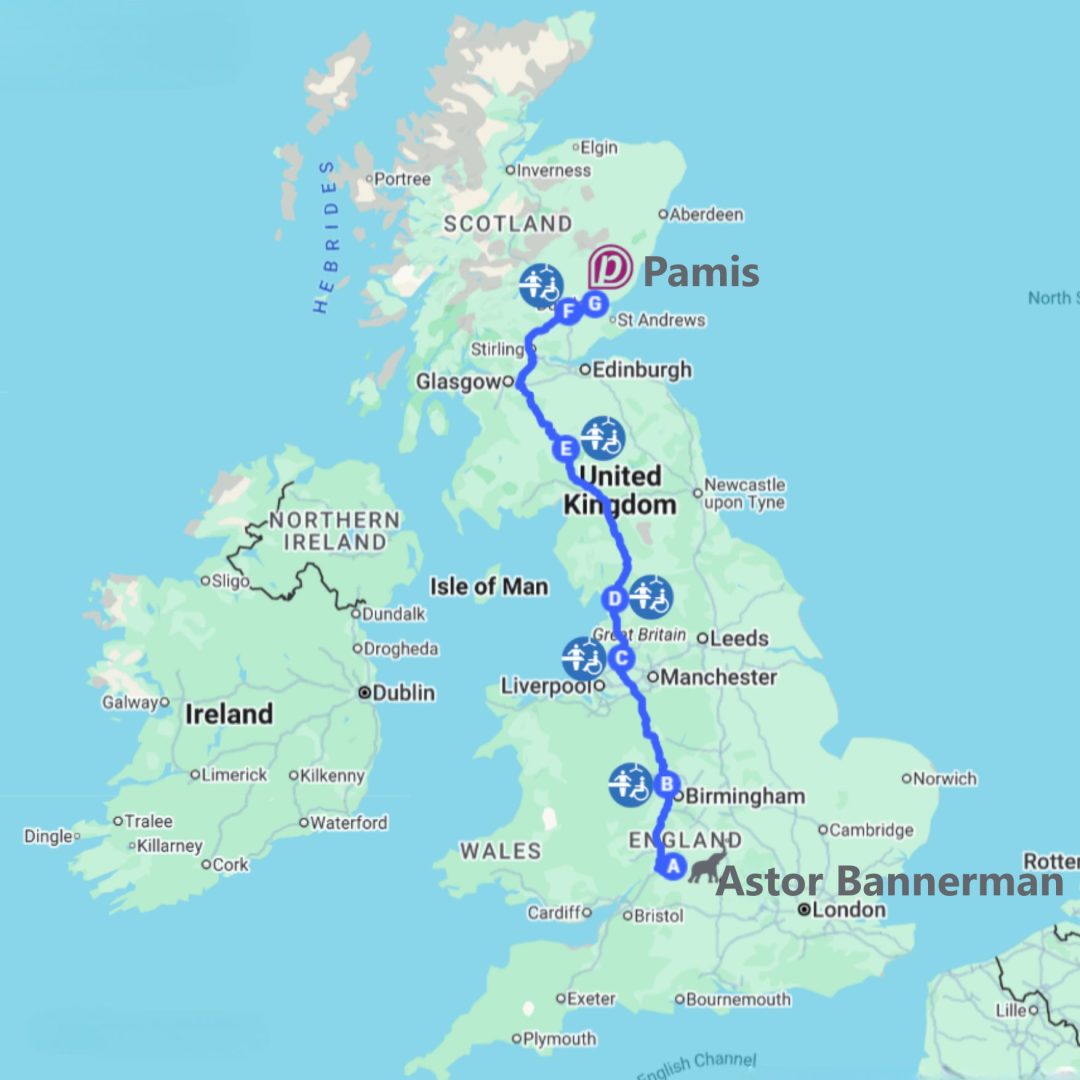
Planning a journey using the Changing Places map
For many people who rely on Changing Places toilets, travelling long distances requires careful planning.
Before setting off, families often check the national map provided by Changing Places UK to identify suitable facilities along their route. This allows them to plan rest stops where appropriate equipment and space will be available.
To illustrate how this works in practice, we planned a route between our head office and manufacturing site in Andoversford, Gloucestershire, and the headquarters of PAMIS in Scotland.
A simple step that completes the process
The good news is that registering a facility is straightforward. Venues can submit details of their Changing Places toilet via the website run by Changing Places UK, including information such as location, opening hours and the equipment available. Once approved, the facility becomes visible on the national map used by families across the UK.
It’s a small step, but it completes the journey from installation to accessibility.
Building a more accessible UK
Every new Changing Places toilet makes it easier for people with complex disabilities to participate in everyday life – whether that’s travelling, visiting attractions or simply enjoying time out with family and friends.
Registering those facilities ensures they can be found and used. From my perspective, it’s one of the simplest ways organisations can help strengthen the UK’s accessibility network.
Because when a Changing Places toilet appears on the map, it represents more than just a facility. It represents freedom, dignity and the opportunity for more people to experience the world beyond their front door.