Mobile Privacy Screen for Changing Places Toilets
Accessories, Changing Places, Changing Places, Changing Places Hygiene Products, Changing Places Toilets, In Education, In Education, Privacy Screens

Mobile or wall mounted privacy screens provide flexible, hygienic, and durable solutions to ensure dignity in public and care environments.
For questions, product demonstrations or more information, please get in touch with our team here.
Mobile or wall mounted privacy screens provide flexible, hygienic, and durable solutions to ensure dignity in public and care environments.
For questions, product demonstrations or more information, please get in touch with our team here.
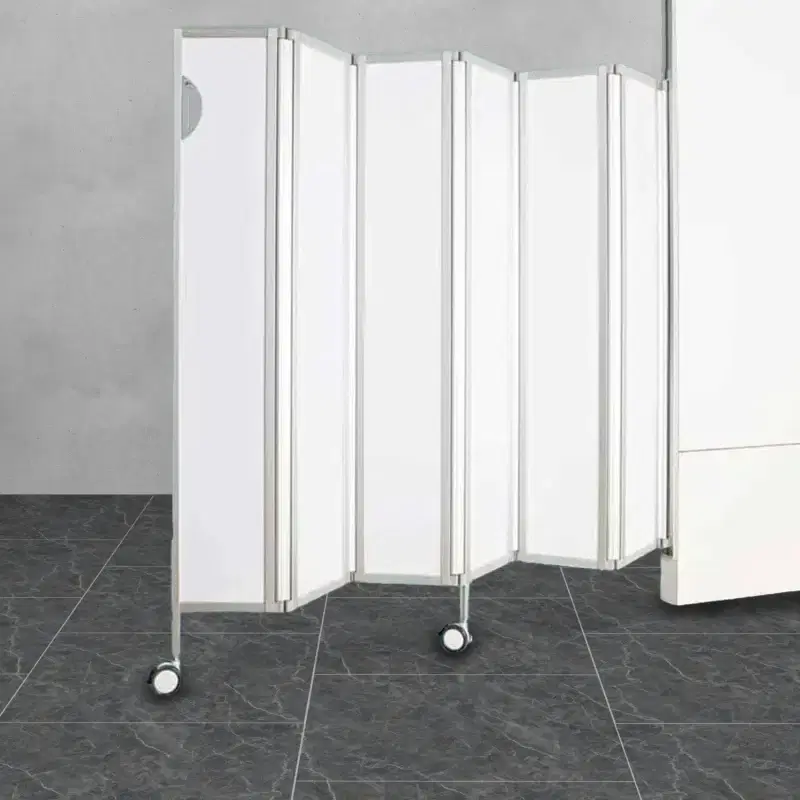
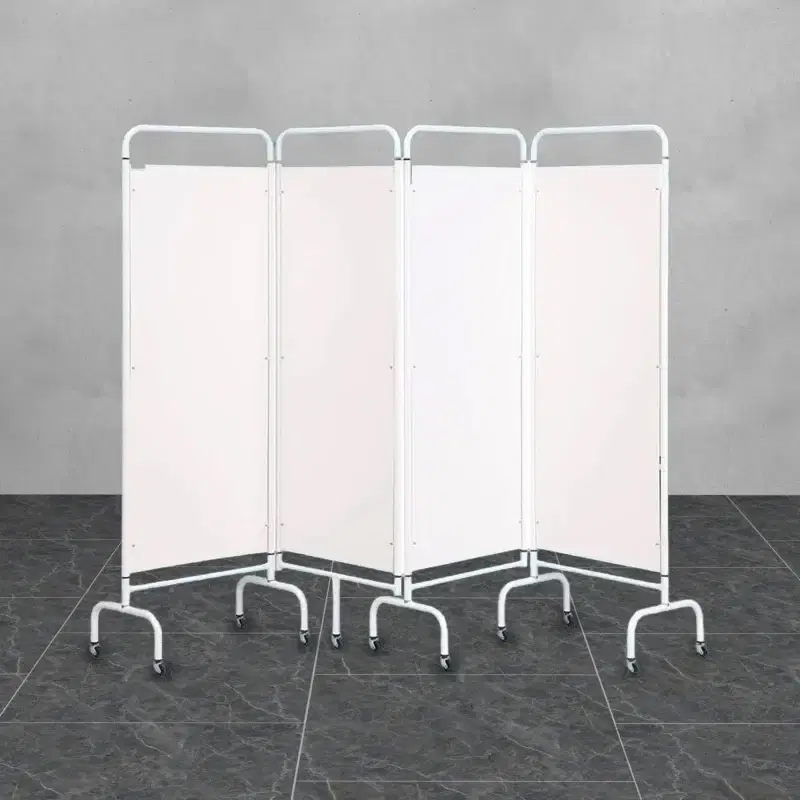
Privacy screens create temporary private spaces, enhancing dignity and comfort for users in shared areas.
Screens provide visual separation, enabling discreet personal care and therapy sessions.
Consider portability, size, and material durability to suit your care or clinical environment.
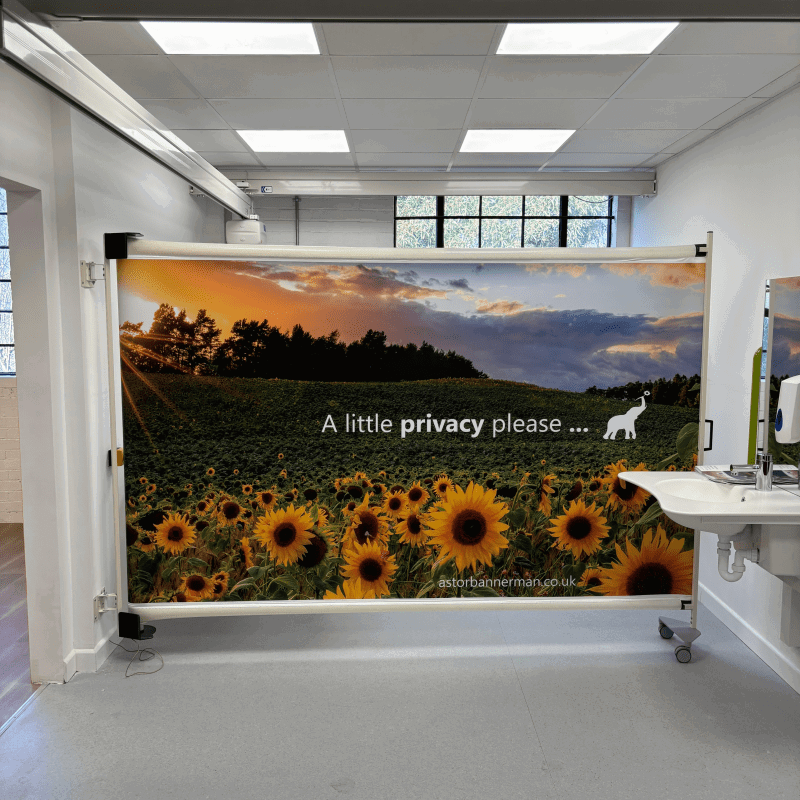
A Mobile Privacy Screen offers flexibility, while a Wall-Mounted Privacy Screen provides permanent privacy solutions in high-use areas. Fixed screens also avoid the risk of the screen being knocked over or removed from the room.
Durable, wipe-clean materials help keep screens hygienic and safe for repeated use.
They provide temporary private areas for bathing, changing, or clinical procedures.
Yes – most are made from materials that are easy to wipe down and disinfect.
Yes – suitable models withstand moisture, making them ideal for bathrooms and wet care areas.
Durable, hygienic materials ensure long-term use in bathroom and other environments.
Yes – mobile or wall-mounted options make them perfect for accessible public toilets.
Adding an image to the privacy screen can help to make the room more attractive or less clinical. It can also make the room feel more integrated to the rest of the building rather than an add on. Images can also be used to create role-play environments within schools or for training purposes within hospitals. The advantage of adding an image to the privacy screen rather than a wall is that the screen can be retracted if the room user has sensory or perception issues that are being triggered by the image.