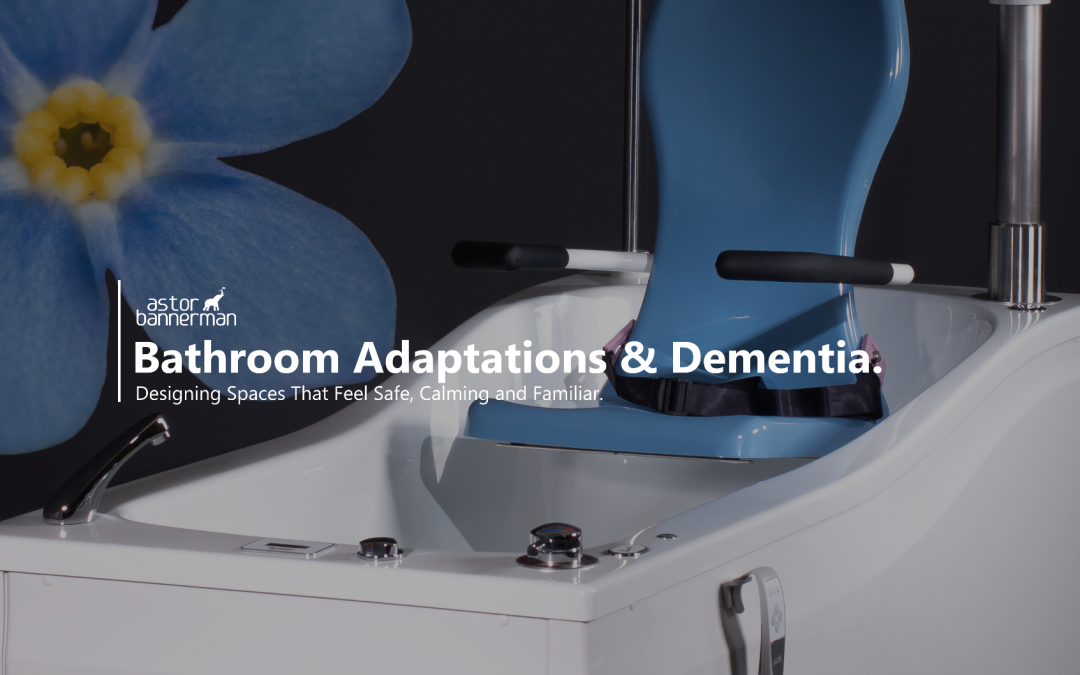

By Jane Fraser-Hook, Head of Marketing

When adapting a bathroom to make it accessible for someone living with dementia, the biggest challenges are not just physical. They’re cognitive, sensory, and emotional too.

A bathroom can quickly become an overwhelming or confusing environment – particularly as dementia progresses. Reflections, shadows, unfamiliar layouts, poor contrast, or complex equipment can all increase anxiety and reduce confidence.

That’s why thoughtful bathroom design matters.

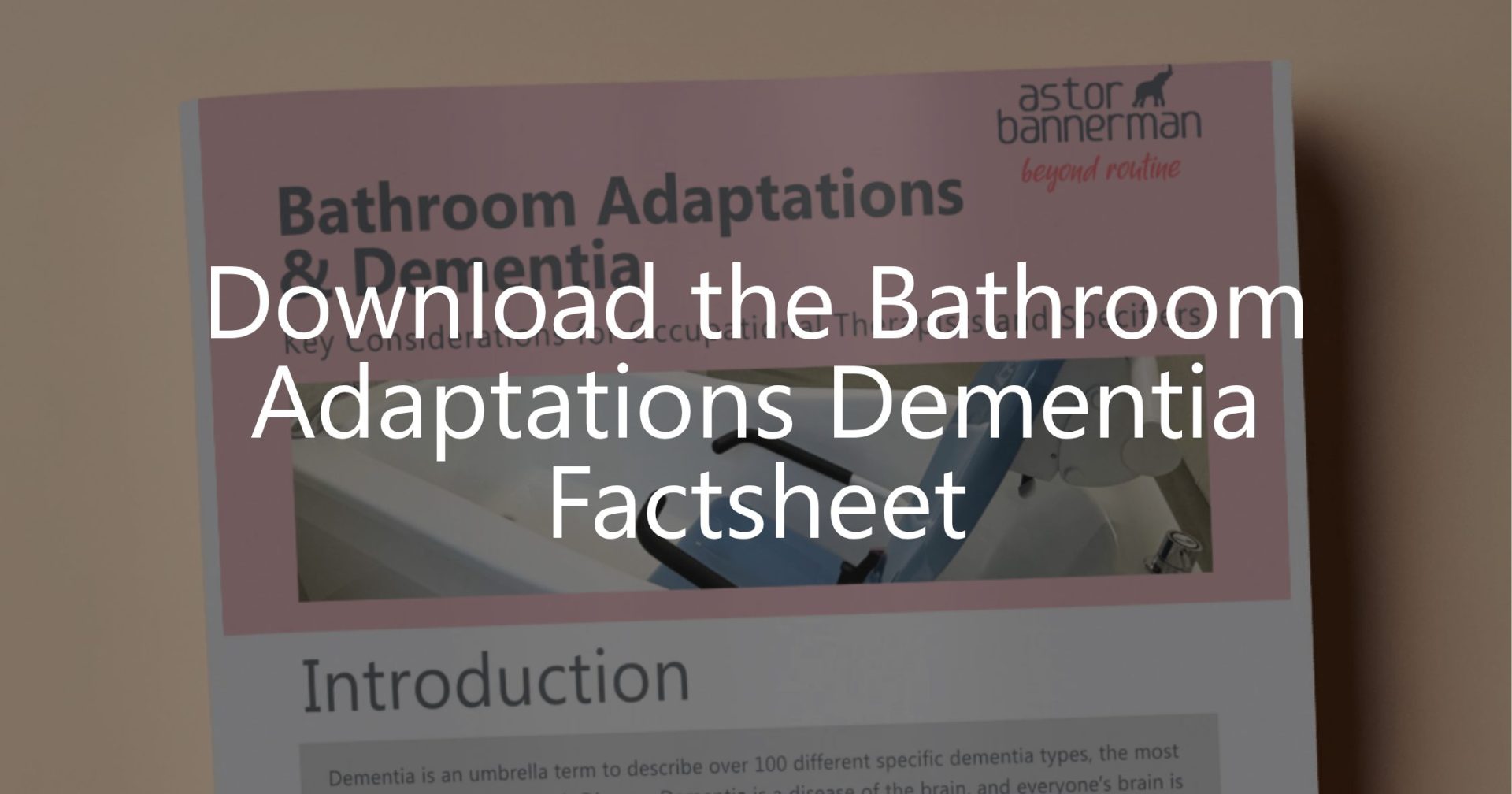
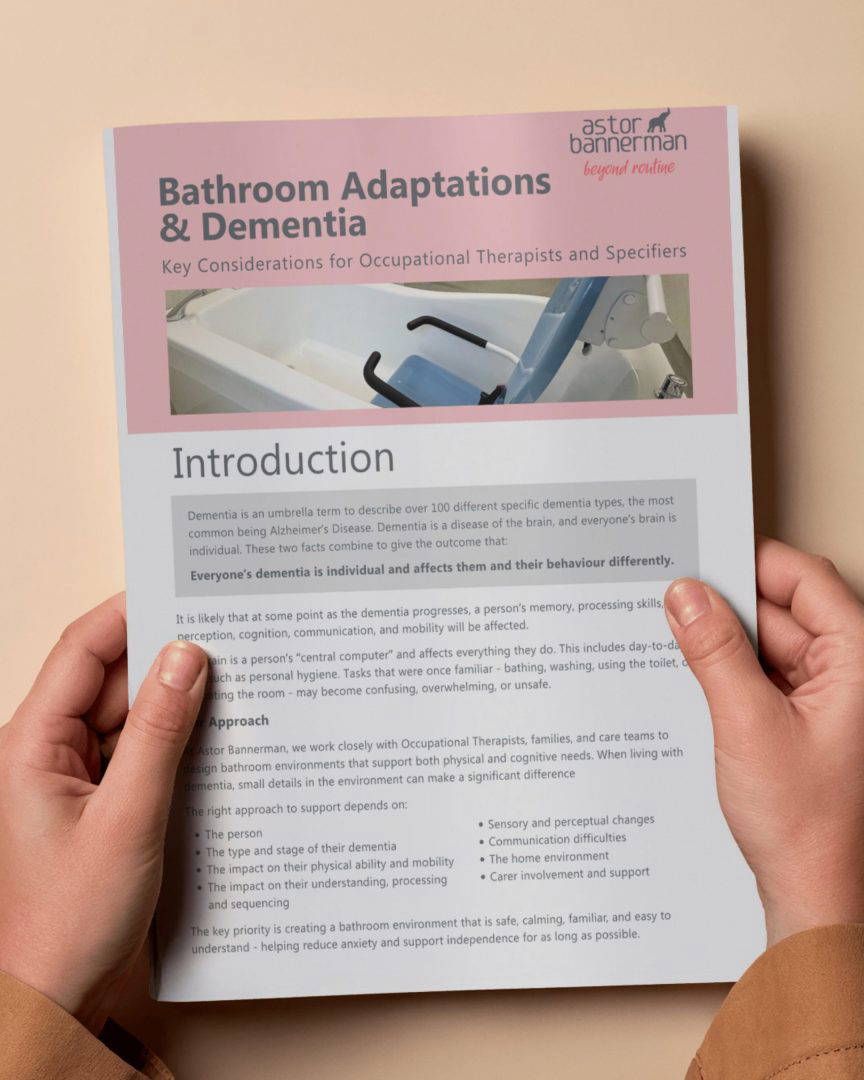
Read and/or download the fact sheet

Accessibility: More than layout and safe access

When people think about accessible bathrooms, they often focus on mobility:

  • Can the person transfer safely?
  • Is there enough space?
  • Is the equipment suitable?

But with dementia, there are other equally important questions:

  • Can the person recognise the toilet or how to use it?
  • Does the room feel calm and familiar?
  • Is the layout easy to understand?
  • Could colours or patterns be causing confusion?

Good dementia-friendly design and signage supports both the body and the mind.
Why Colour & Contrast Matter

One of the most important considerations in dementia-friendly environments is light and colour contrast.

As dementia progresses, visual perception can change. People may struggle to distinguish between objects or interpret depth accurately.

Simple changes can make a significant difference:

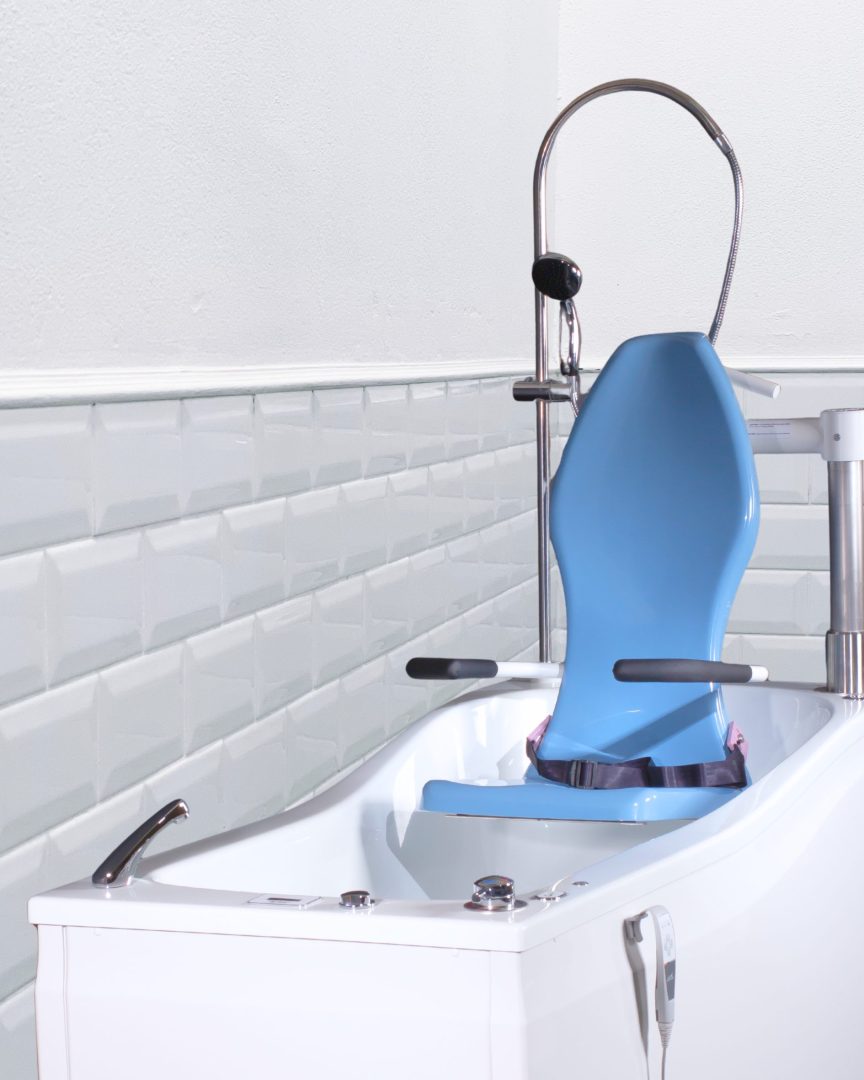
  • Contrasting toilet and bath seats against white sanitaryware
  • Grab rails that stand out clearly from walls
  • Clearly defined edges between floors, walls and objects

At the same time, dark floor changes may be misinterpreted as steps, holes, or obstacles, and overly busy patterns may be perceived as many things including snakes, worms or small objects.

The aim is not to create a clinical environment – but one that feels clear, calm, and easy to navigate.

Designing Around the Individual

There is no one-size-fits-all solution for dementia-friendly adaptations. Every person experiences dementia differently.

Some individuals may remain physically independent for many years but need support with orientation or understanding. Others may require increasing physical assistance alongside cognitive support.

Communication may be a significant issue for some, particularly in some dementia types – others may continue to communicate well whilst living with dementia for years.

This is why adaptations should always be person-centred – reflecting:

  • The individual’s routines
  • Their abilities and preferences
  • Their home environment
  • The support available from carers and family
Equipment and Beyond

Choosing the correct equipment to support individuals is key. However, good outcomes rarely come from equipment alone. They come from designing environments that work in practice:

• Safe movement through the room
• Clear visibility of key features
• Appropriate support for carers
• Equipment that feels reassuring rather than intimidating

Because ultimately, the goal is not simply to make the bathroom accessible. It’s to help the person feel:

• Safe
• Comfortable
• Calm
• And as independent as possible

A More Thoughtful Approach

Dementia-friendly bathroom design is about much more than compliance or specification. It’s about understanding how people experience the environment around them – and adapting that environment to better support daily life.

Download the Fact Sheet

Our Bathroom Adaptations & Dementia: Key Considerations for Occupational Therapists, Clinical Staff and Specifiers fact sheet is now available to download.

Cotswolds Farm Park Changing Places Toilet Accessibility Hoist
A happy girl in a Astor Bannerman ceiling hoist sling, with support from her parents,