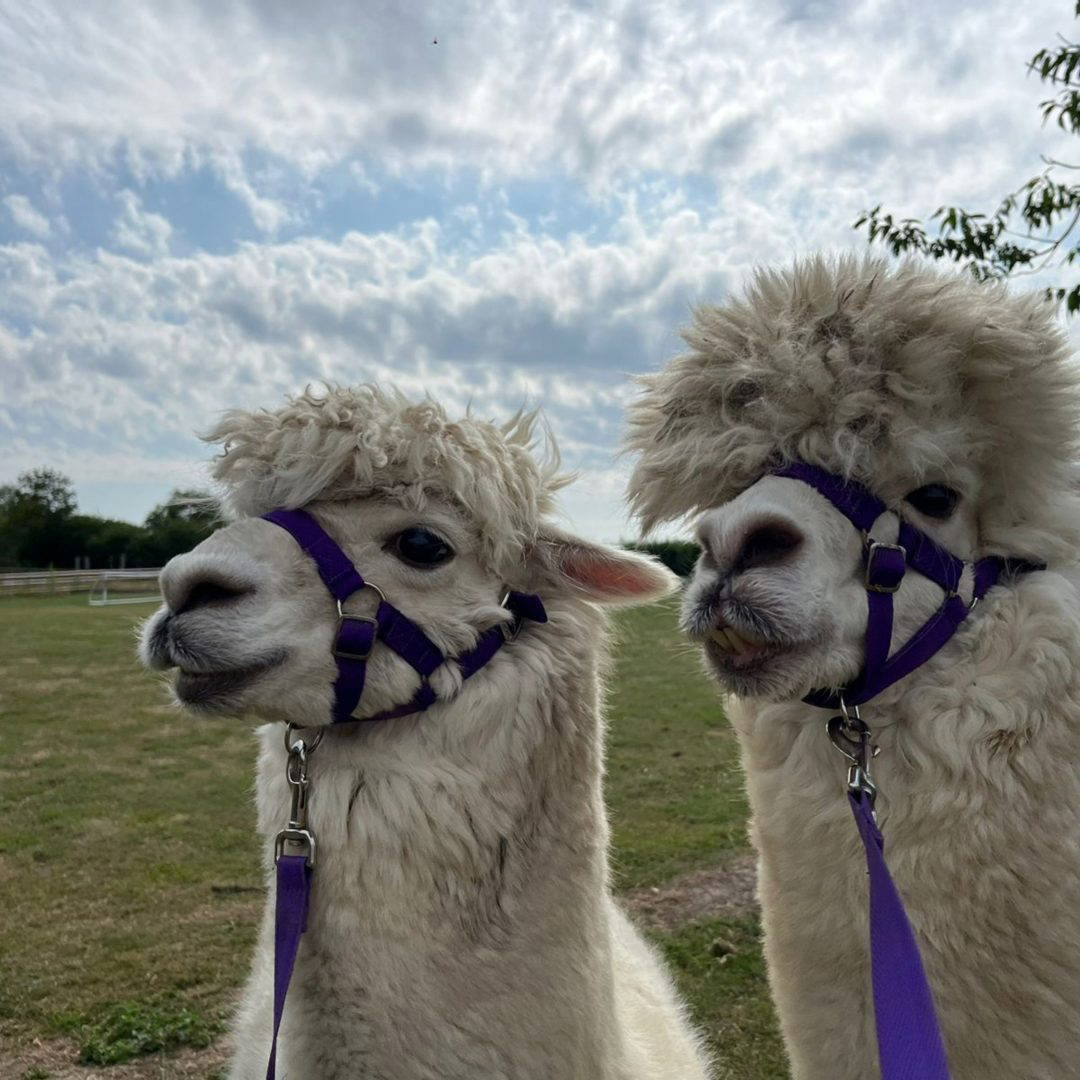
Located within 160 acres of countryside in the Vale of Glamorgan, The Amelia Trust Farm is a unique care farm and visitor attraction supporting disadvantaged and vulnerable people across South Wales. Based just outside Barry and within easy reach of Cardiff, the farm welcomes families, schools, community groups and visitors throughout the year.

The site combines outdoor recreation, education and therapeutic support, with woodland walks, animal areas, educational activities and community programmes all designed to encourage wellbeing and engagement with nature. Alongside being a public visitor attraction, the charity also delivers alternative education programmes for young people who struggle within mainstream education settings.

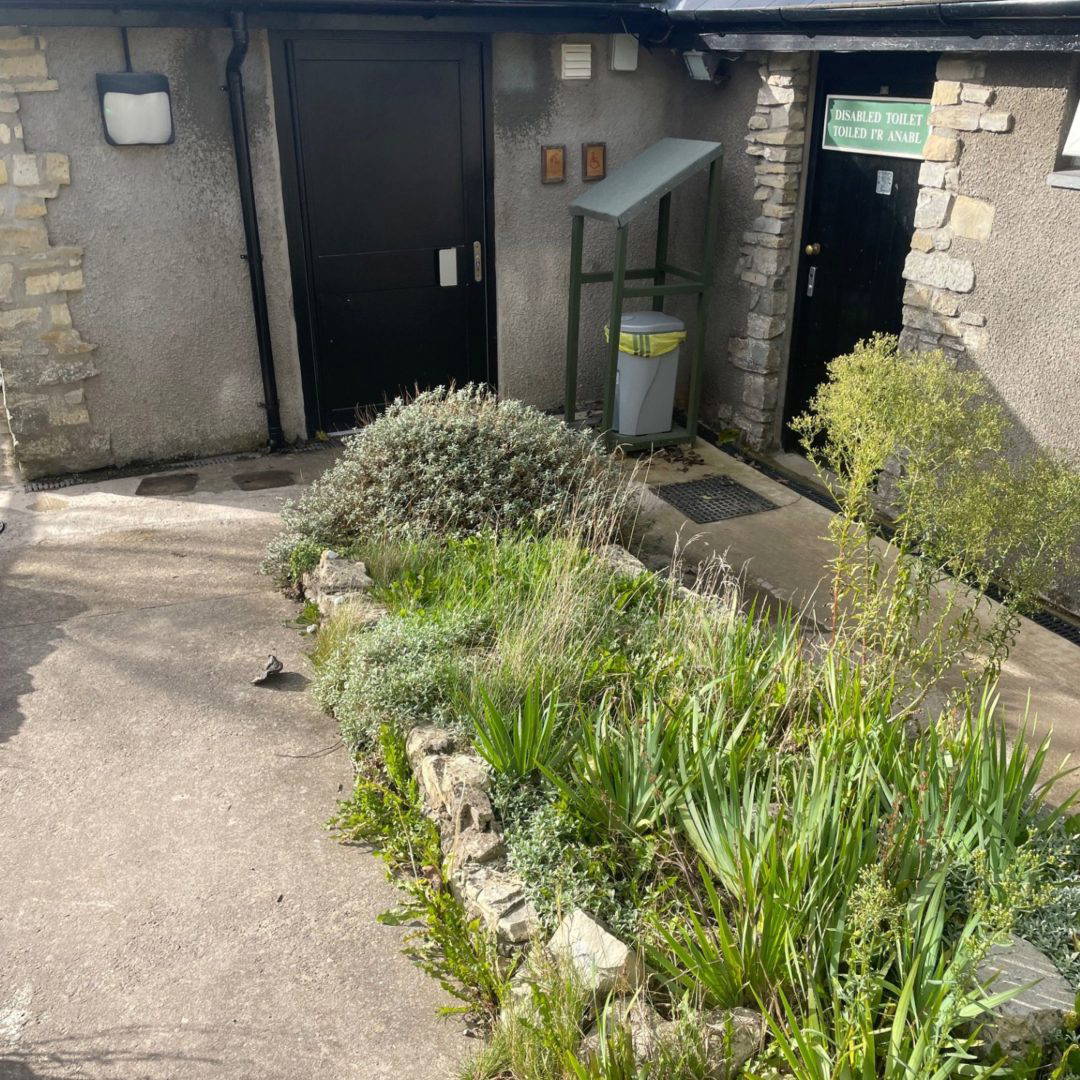
As part of the farm’s wider commitment to accessibility and inclusion, the site includes a fully equipped Changing Places toilet to support visitors with complex disabilities and their carers.

Accessibility Across the Farm
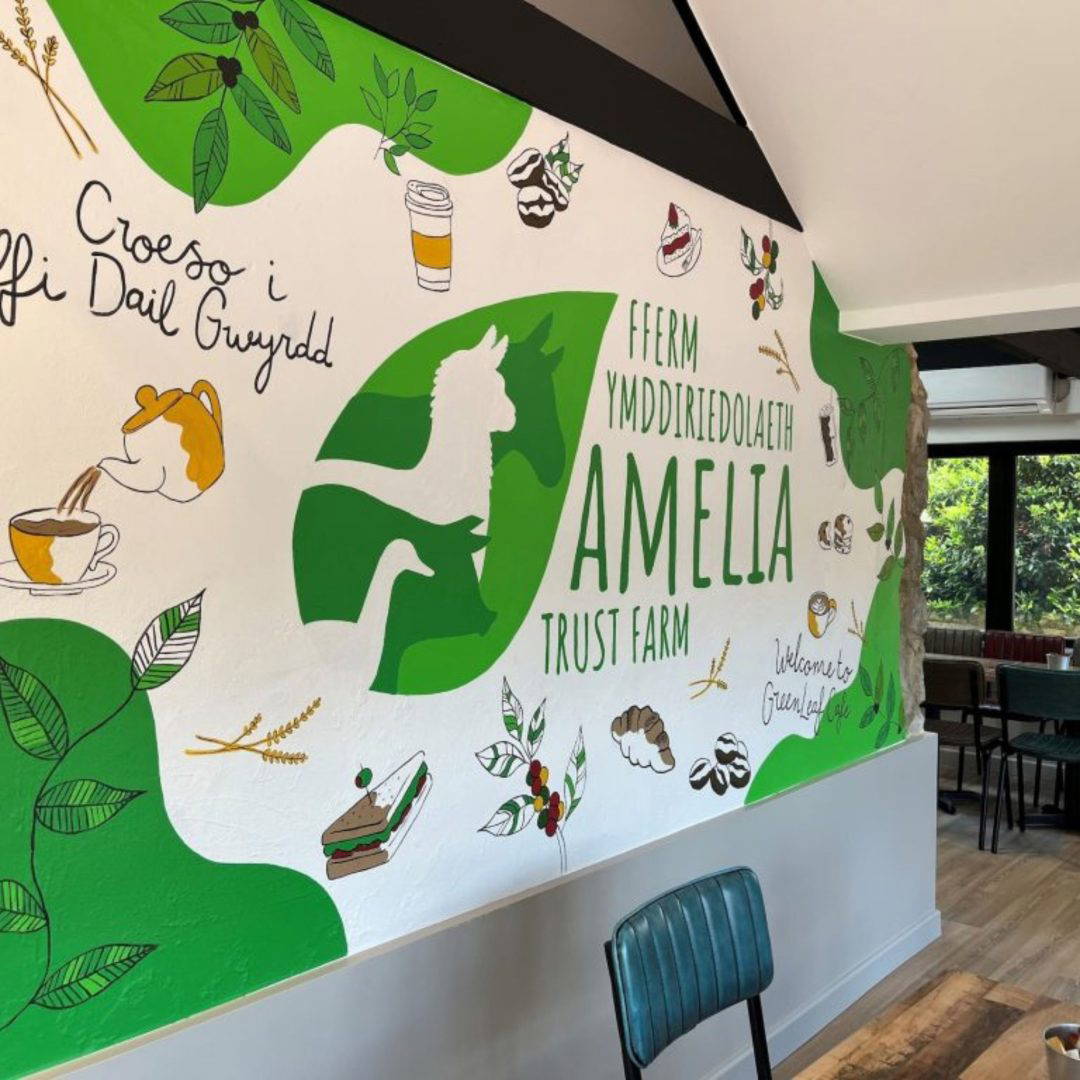
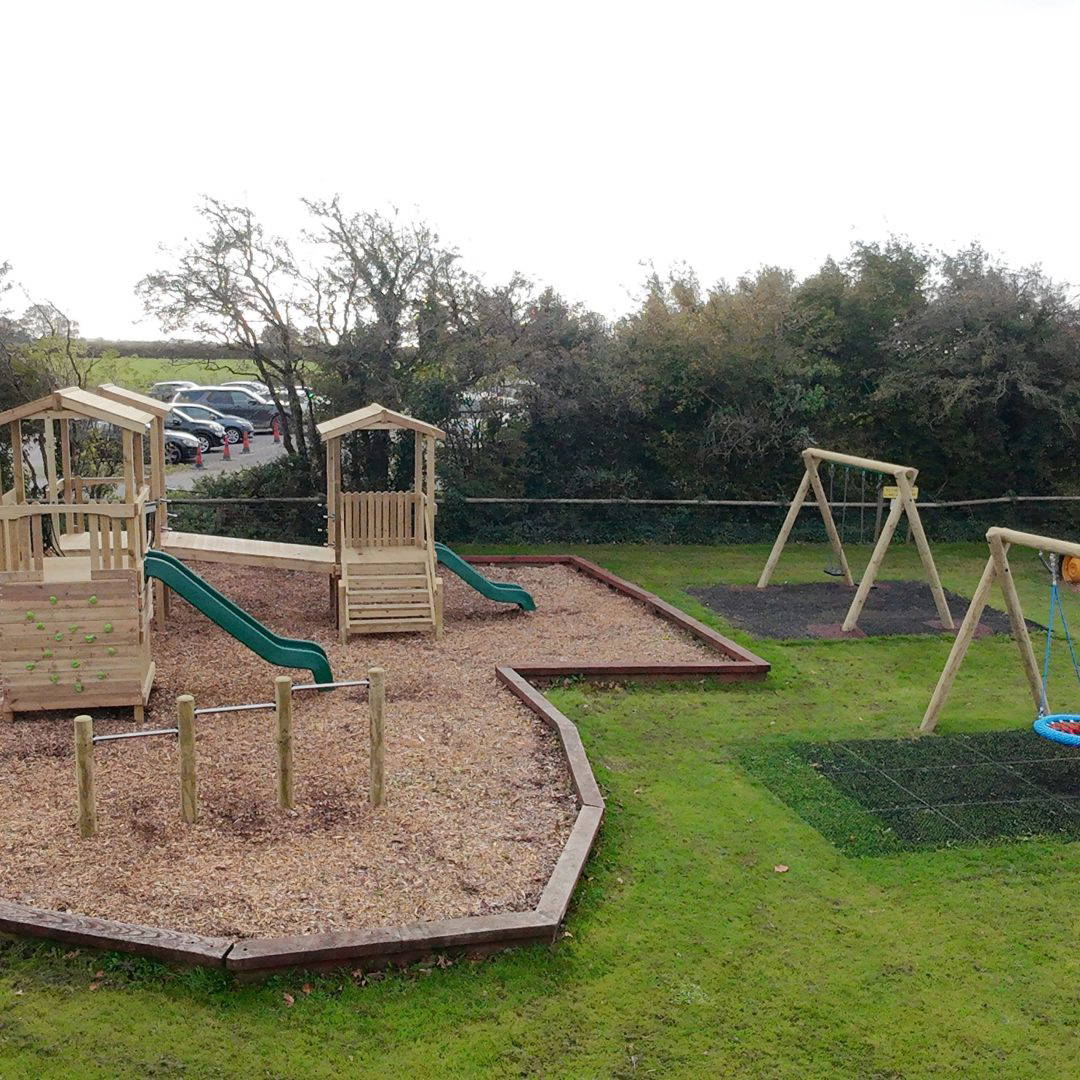
Accessibility plays an important role across the Amelia Trust Farm site. Much of the farm is designed on one level, helping improve access between the car park, animal centre and outdoor paddocks. The Gnome and Fairy woodland trail has also been designed as the most accessible walking route for wheelchair users, pushchairs and families visiting the farm.

The farm also provides accessible parking, disabled toilet facilities and baby changing areas, helping support a wide range of visitors throughout the year.

As a charity focused on ensuring no one feels excluded from society, the inclusion of a Changing Places toilet further strengthens the farm’s commitment to making outdoor spaces and visitor attractions more accessible for everyone.

Changing Places Toilet: The Amelia Trust Farm

What’s Inside: Our Specification

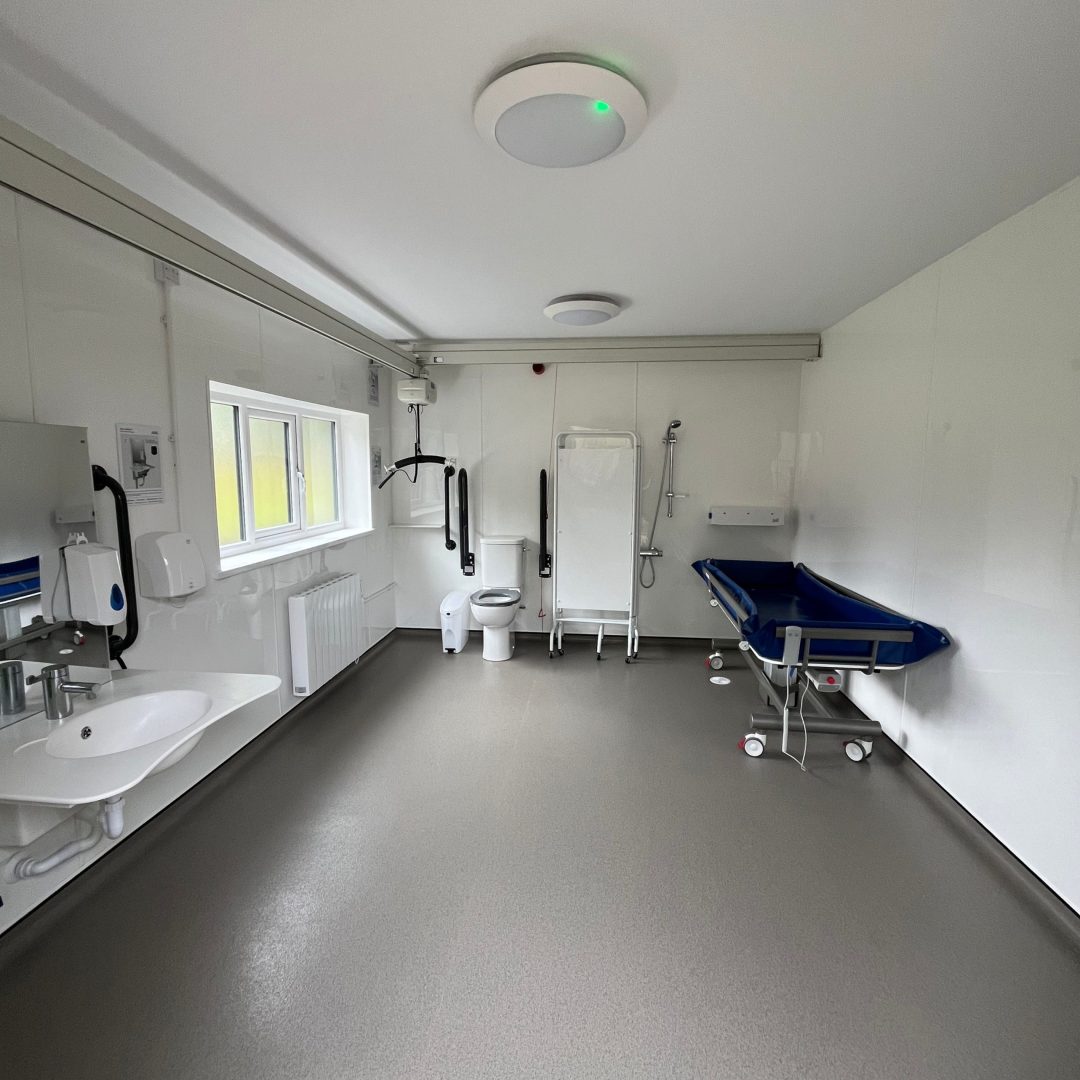
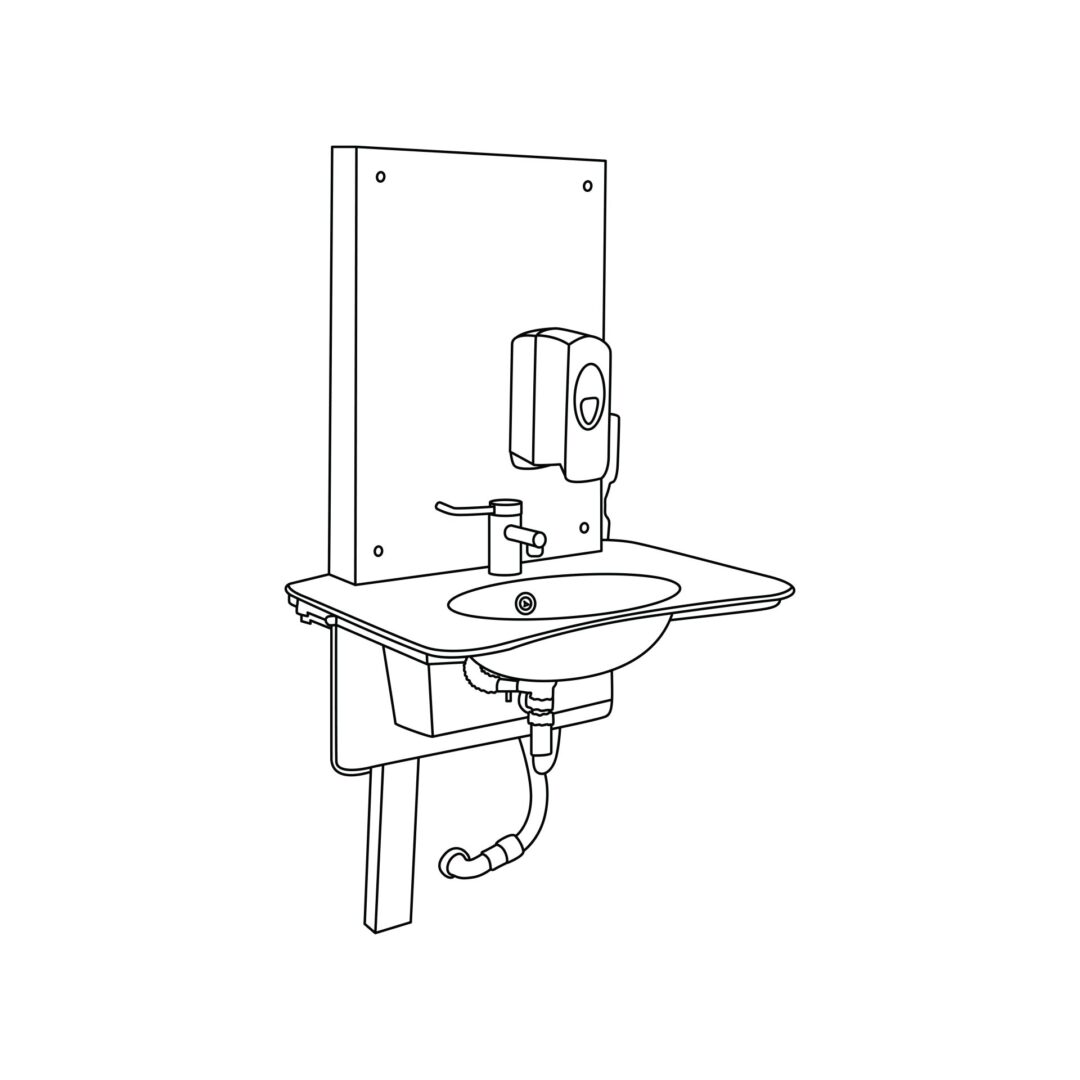
Within the Changing Places toilet at Amelia Trust Farm, we installed:

The facility also includes a peninsular WC, grab rails, emergency alarm system and sufficient circulation space to support safe and dignified assisted use.

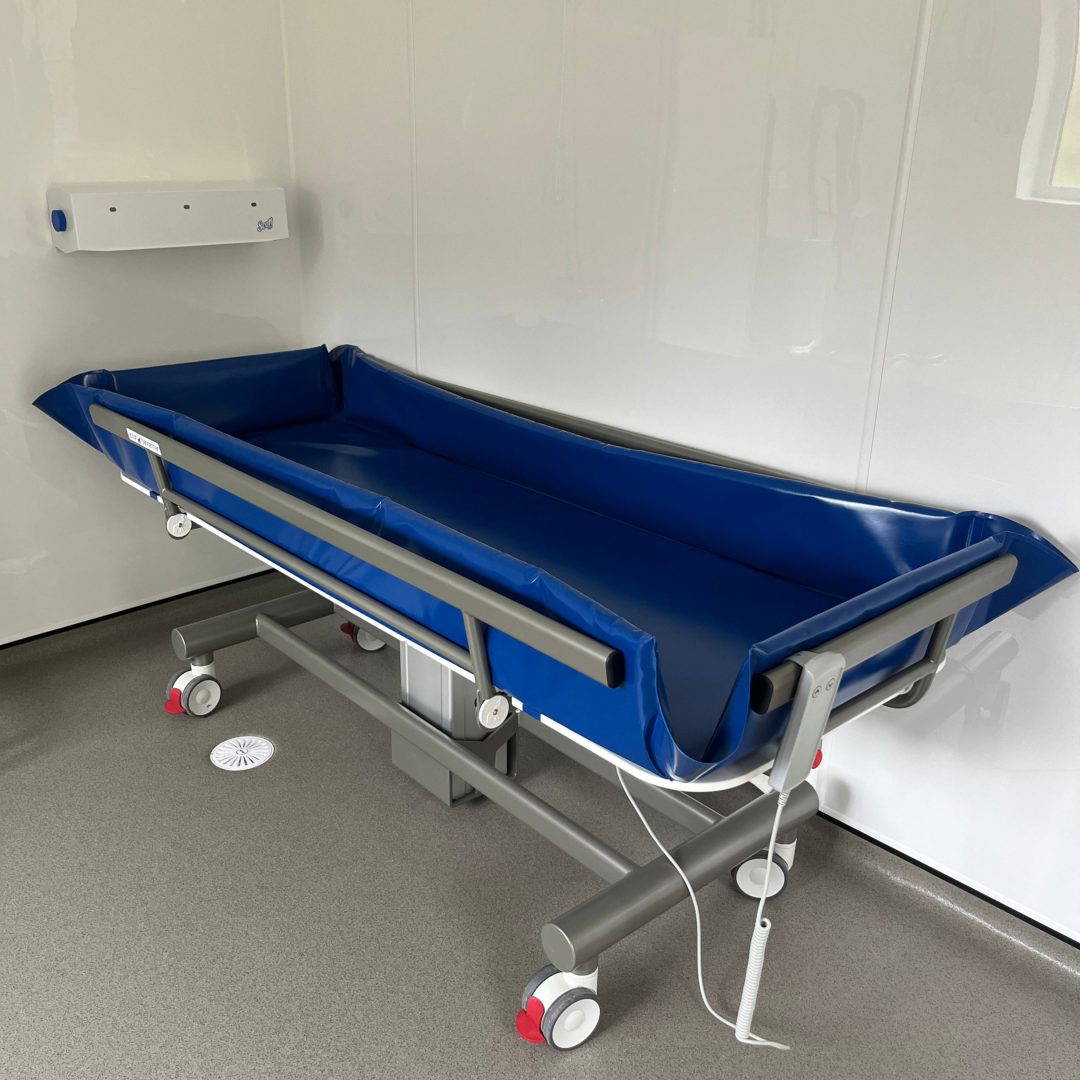
The inclusion of a shower trolley within the facility helps provide additional flexibility and practicality for visitors requiring more specialist hygiene support during longer visits to the site.
Changing Places Toilet: The Amelia Trust Farm

Supporting Accessible Visitor Attractions

For many disabled people and their carers, access to appropriate hygiene facilities can directly affect whether outdoor attractions and countryside destinations are accessible at all.

By investing in a fully compliant Changing Places facility, Amelia Trust Farm has helped create a more inclusive environment where visitors with complex disabilities can comfortably spend longer enjoying the farm, woodland areas and wider activities available on site.

This is particularly important within outdoor and rural visitor attractions, where specialist accessible facilities can often be limited.
Changing Places Toilet: The Amelia Trust Farm
Changing Places At Windsor Castle
Changing Places Toilet: The Amelia Trust Farm

Accessibility Within Outdoor & Community Environments

Visitor attractions set within countryside locations can present unique accessibility challenges, particularly around terrain, infrastructure and adapting existing facilities.

This installation demonstrates how specialist equipment and thoughtful planning can successfully support accessibility within community-focused outdoor environments, helping ensure more people can confidently access and enjoy the facilities available.

Get In Touch

If you’re planning an accessibility project within a visitor attraction, community venue or public environment, our team can support you from early consultation through to installation.

We work with charities, councils, architects and public sector organisations to deliver practical, compliant Changing Places facilities designed around real user needs.

Changing Places Toilet: Ron Cooke Hub, University of York