For International Day of Care and Support, we explore how thoughtful equipment choices can help care homes protect residents’ dignity, support independence and reduce the physical demands placed on care teams. Good care is about more than meeting someone’s physical needs. It is about understanding their preferences, respecting their dignity and helping them maintain as much choice and independence as possible. In a care home, that might mean making time for a resident to enjoy a bath rather than simply completing a hygiene routine, or finding a way for someone to participate in a transfer rather than doing everything for them. But delivering genuinely person-centred care also depends on the people providing it. Care teams work in physically demanding environments, often repeating transfers, repositioning residents and assisting with personal care throughout a shift. Supporting their health and wellbeing is an important part of creating the conditions for good care. On International Day of Care and Support (29 October), it is worth considering how equipment, planning and working practices can help care homes support both residents and carers.

Person-centred care needs the right environment

In our previous article, Person-Centred Care in Shared Spaces: Planning for Every Resident, we explored the importance of looking beyond routine to consider what matters to each resident. The same principle applies to moving and handling. Residents have different levels of mobility, strength, confidence and understanding. Some may be able to stand and participate in a transfer with the right support, while others need more comprehensive assistance. Their needs may also change over time. The aim should be to choose an approach that reflects the person, rather than expecting everyone to fit the same process. Appropriate equipment can help residents participate where possible, while enabling carers to support transfers safely and comfortably. This is particularly important during bathing and showering. These are personal activities in which people can feel vulnerable, and where privacy, reassurance and a sense of control matter. The layout of the room, the equipment available and the way a transfer is carried out can all influence the experience.

The physical demands of caring

Moving and handling is an everyday part of care, but repeated physical effort can take its toll. The challenge is not limited to lifting someone from a bed to a chair. Repositioning a resident, assisting them in and out of a bath, or repeatedly working in a stooped position can also place considerable demands on the body. Training in good moving-and-handling techniques is essential, but technique alone cannot remove every risk. Selecting suitable equipment, assessing individual transfer needs and creating workspaces that support safe handling are also incredibly important. For care providers, this means considering not only what residents need today, but also how the environment and equipment can support staff throughout their working day.
Changing Places Toilet: Greenbank Sports Academy

How equipment can help protect carers’ backs
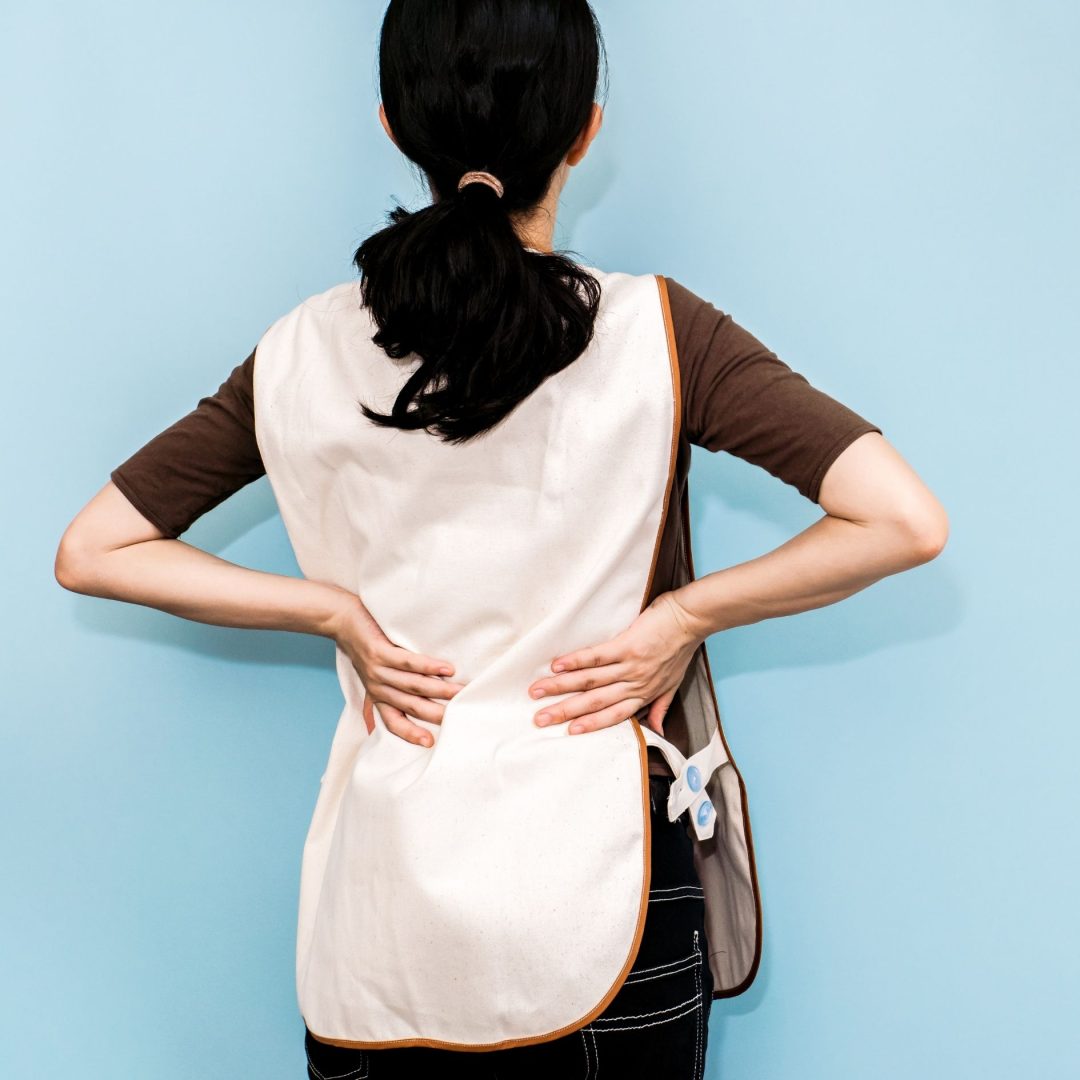
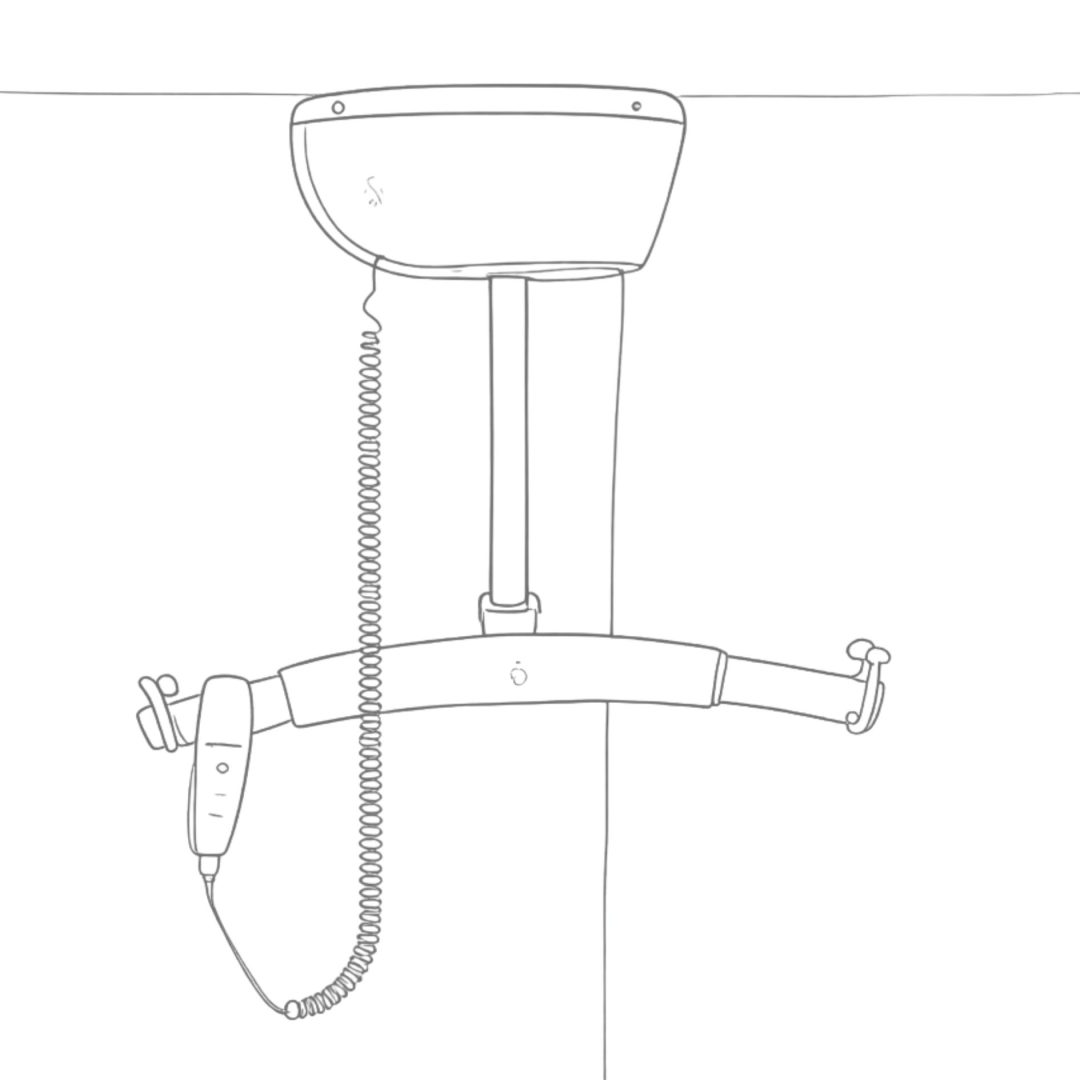
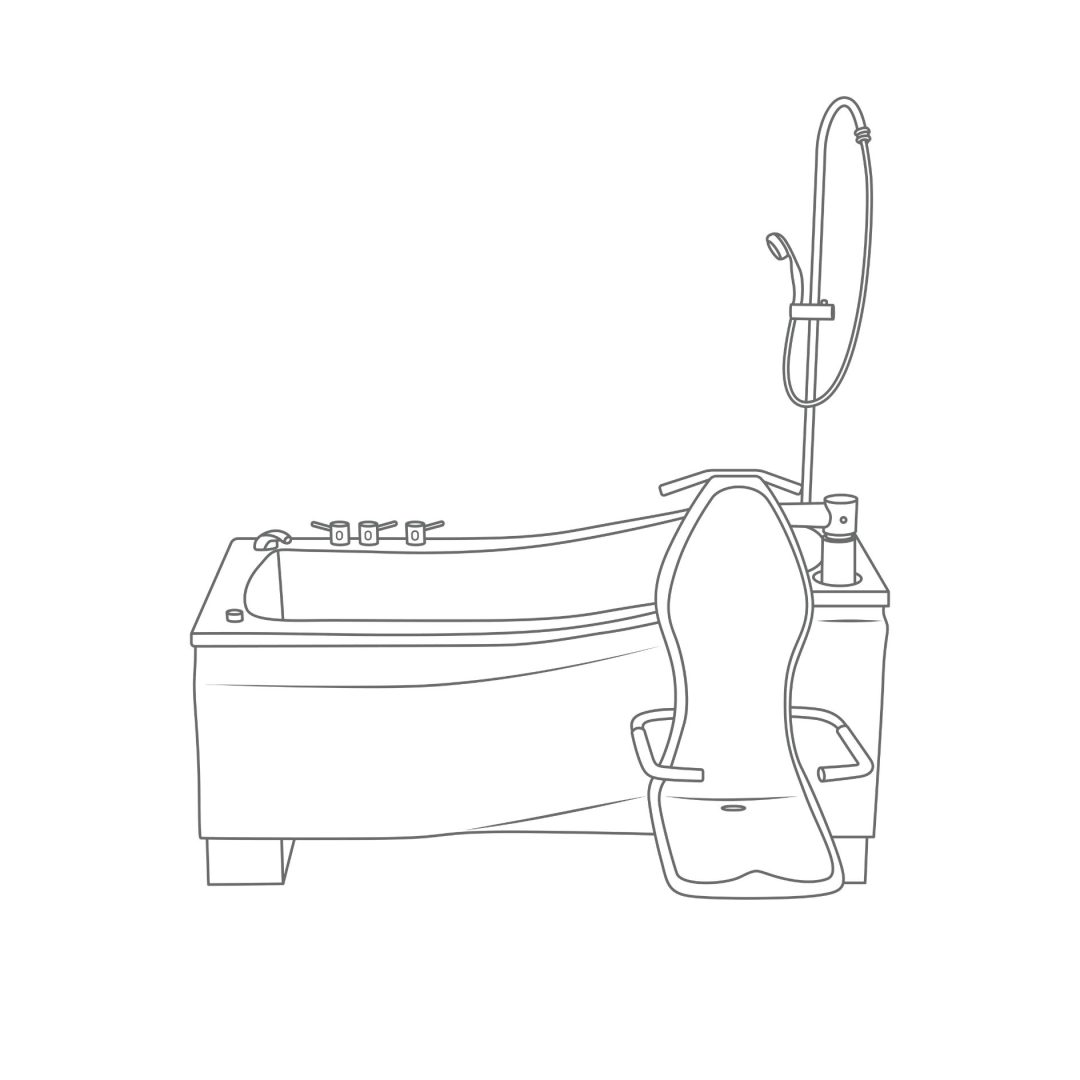
Hoists can play an important role in reducing the physical effort involved in moving and handling residents. Ceiling hoists, for example, can transfer a resident between a bed, wheelchair, bath or changing area, depending on the track layout and equipment provided. Because the hoist runs along an overhead track, it does not occupy the same floor space as a mobile hoist and can reduce the pushing, pulling and physical exertion associated with some transfers. Mobile floor hoists offer another option, providing flexibility where transfers are needed in different locations. The most appropriate solution depends on the resident’s needs, the tasks being carried out, the available space and the care home’s moving-and-handling procedures. Height-adjustable bathing and changing equipment can also help carers work at a more comfortable level, reducing the need to bend or maintain awkward postures. These are not simply convenience features. They are practical considerations in creating a safer working environment and reducing avoidable physical strain. Equipment must, of course, be appropriately selected, installed, maintained and used by trained staff as part of an individualised moving-and-handling plan. Astor Bannerman’s care home range includes ceiling track hoists, mobile floor hoists, assisted baths and changing equipment designed to support different care requirements.
Cotswold Farm Park Changing Places Toilet - Changing Table
Cotswolds Farm Park Changing Places Toilet Accessibility Hoist

Better support for carers can mean better experiences for residents

The benefits of thoughtful equipment choices extend beyond the transfer itself. When equipment is suited to the task and the environment, carers can focus more of their attention on the person they are supporting. Transfers can be planned around individual needs, with greater consideration for comfort, privacy and reassurance. Good equipment planning can also help care homes make better use of their space. Ceiling track systems, for example, can be designed around the room layout and the transfers residents need to make, rather than treating the hoist as a separate piece of equipment to be accommodated afterwards. At Astor Bannerman, this is why we take a practical, collaborative approach to care home projects. Our team works with care providers to understand their residents, staff, facilities and priorities, helping them explore suitable equipment options, room layouts and training requirements. The aim is not to replace the personal element of care with technology. It is to provide the right support so that care can be delivered with dignity, confidence and consideration for everyone involved.

Recognising the people behind care
The International Day of Care and Support recognises the essential contribution of paid and unpaid carers and the importance of investing in effective, inclusive care systems. For care homes, that recognition can translate into everyday decisions: listening to staff about the physical challenges they face, reviewing moving-and-handling practices, investing in appropriate equipment and designing environments around the needs of both residents and care teams. Person-centred care and staff wellbeing should not be competing priorities. Both are fundamental to a sustainable care environment. This International Day of Care and Support, we recognise the people who make good care possible – and the importance of giving them the right tools, training and environment to do their jobs safely and well.
Cotswold Farm Park Changing Places Toilet - Changing Table
Cotswolds Farm Park Changing Places Toilet Accessibility Hoist

Planning or reviewing equipment for your care home?

Astor Bannerman works with care providers to explore bathing, hoisting and changing solutions suited to their residents, staff and facilities. Our team can offer advice, design support, equipment demonstrations and training to help you make informed decisions.

What next?

Download the factsheet.

Learn more about accessible bathrooms for care homes on one of our bespoke training sessions.

If you’re working on a project and want to ensure accessibility is considered from the outset, our team can help.

From early-stage consultation through to installation, we support care home managers, groups, and architects.