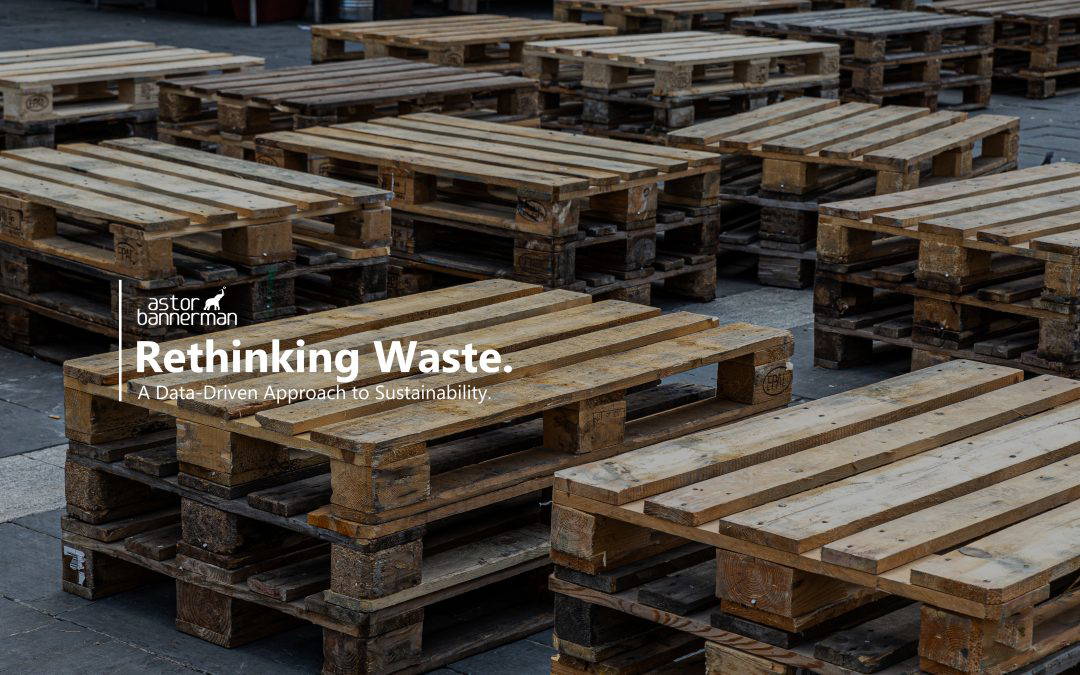

By analysing our waste data and reviewing our waste management processes more closely, we have started to move from simply managing waste to actively improving how it is handled across our organisation.
Understanding our waste streams
Manufacturing and logistics environments inevitably generate a range of different waste materials. Packaging used to protect products during transport, pallets used for deliveries, and operational materials from day-to-day activity all contribute to the waste profile of a site.
When we began examining our waste data in greater detail, it became clear that our waste streams were typical of a manufacturing and distribution environment. Most of the waste produced on site consists of operational materials such as commercial and industrial waste, mixed recyclable materials including paper and plastics, and wooden items such as pallets and packaging. Smaller volumes of food waste and other materials are also produced through normal workplace activity.
Importantly, this analysis also showed that a significant proportion of our waste can be diverted into recycling streams. In 2025, more than half of the waste produced on site was processed through recyclable routes, preventing thousands of kilograms of carbon emissions associated with waste processing and helping conserve natural resources.
While these results were encouraging, the data also highlighted opportunities to improve how materials are segregated and managed across the site.
A structured review of waste management
In late 2023 we undertook a structured review of our waste management processes at the Andoversford site. The aim was to ensure that our systems were not only compliant with environmental legislation but also aligned with recognised best practice in waste reduction and recycling.
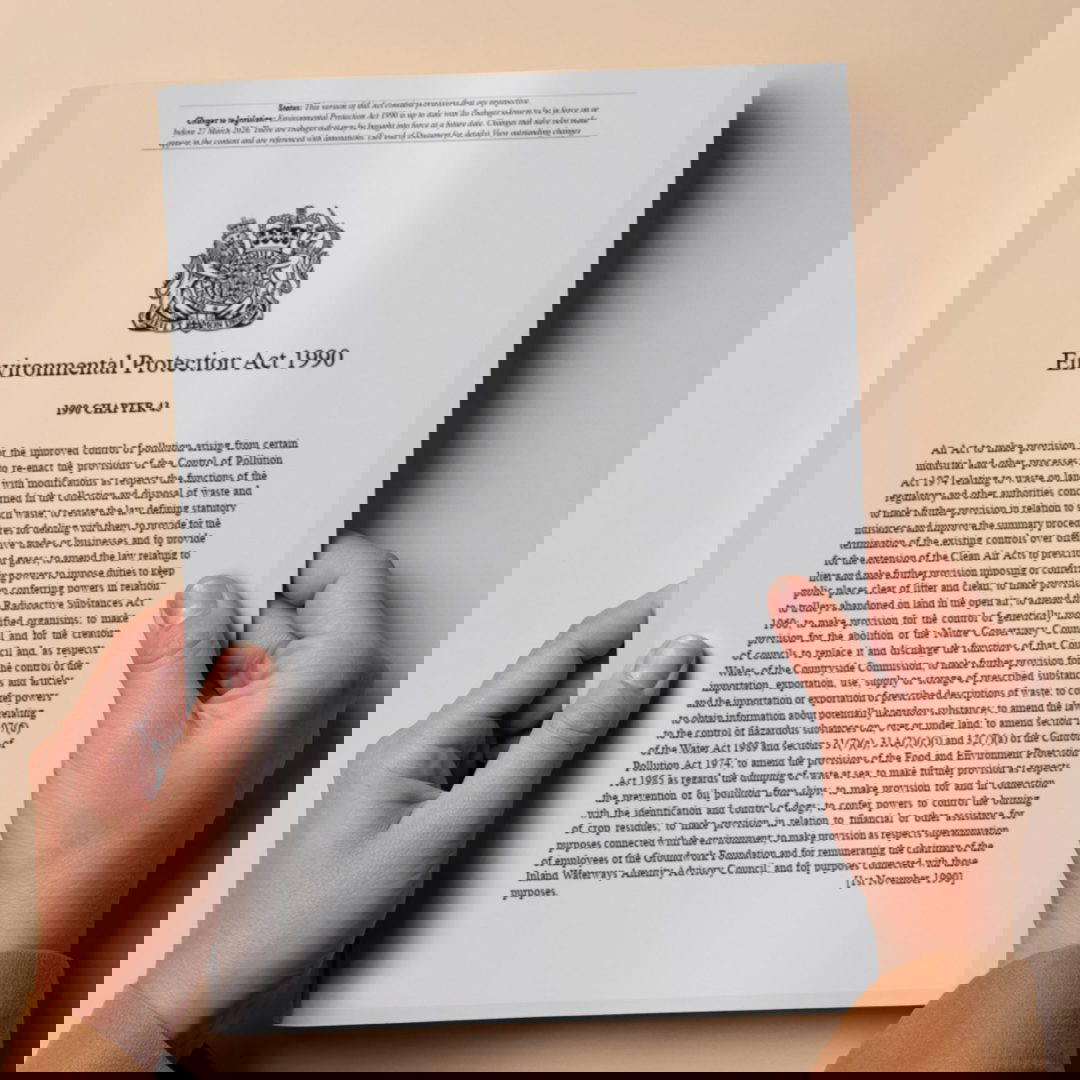
Waste management in the UK is governed by legislation such as the Environmental Protection Act 1990 and the Waste (England and Wales) Regulations 2011. These regulations place clear responsibilities on organisations to ensure waste is handled safely, documented correctly, and processed by authorised waste management providers.
Beyond compliance, we also looked at how the principles of the Waste Hierarchy could be applied more consistently within our operations. This framework prioritises preventing waste where possible, followed by reuse, recycling, and recovery before disposal.
Applying this approach meant taking a closer look at the different materials leaving our site and understanding how they were being handled.

From waste collection to waste intelligence
Traditionally, waste management within many organisations focuses on collection and disposal. Materials are placed into bins, collected by contractors, and processed according to established waste management routes.
While this ensures regulatory compliance, it does not necessarily provide insight into how waste can be reduced.
Our review introduced a more analytical approach to waste management. By examining detailed waste activity reports, we began to develop a clearer picture of the materials being generated and how they move through the waste management system.
Practical improvements on site
Improving waste sustainability requires practical changes in how materials are handled day-to-day. Following the waste management review, we began looking at ways to refine our waste handling procedures and improve segregation across the site.
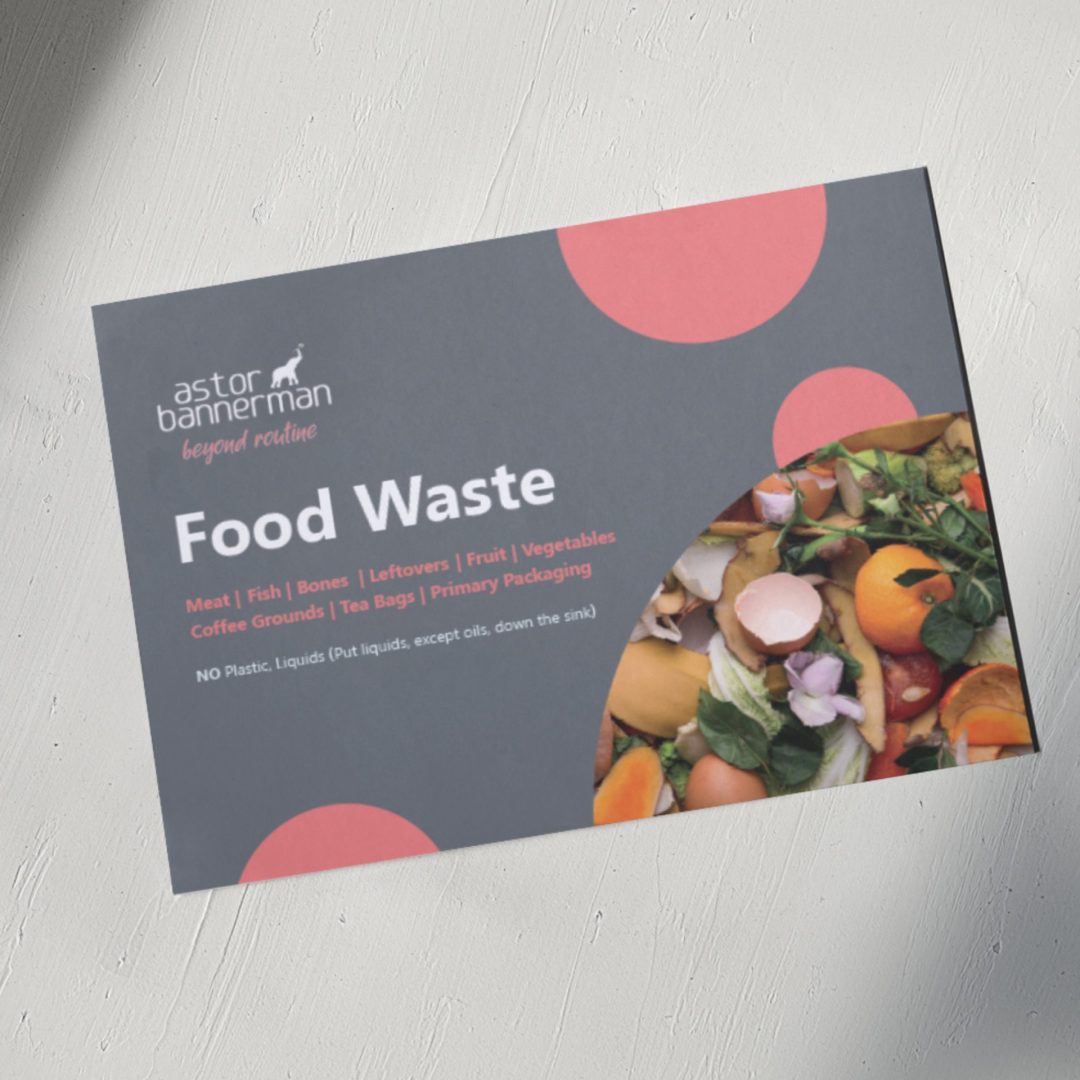
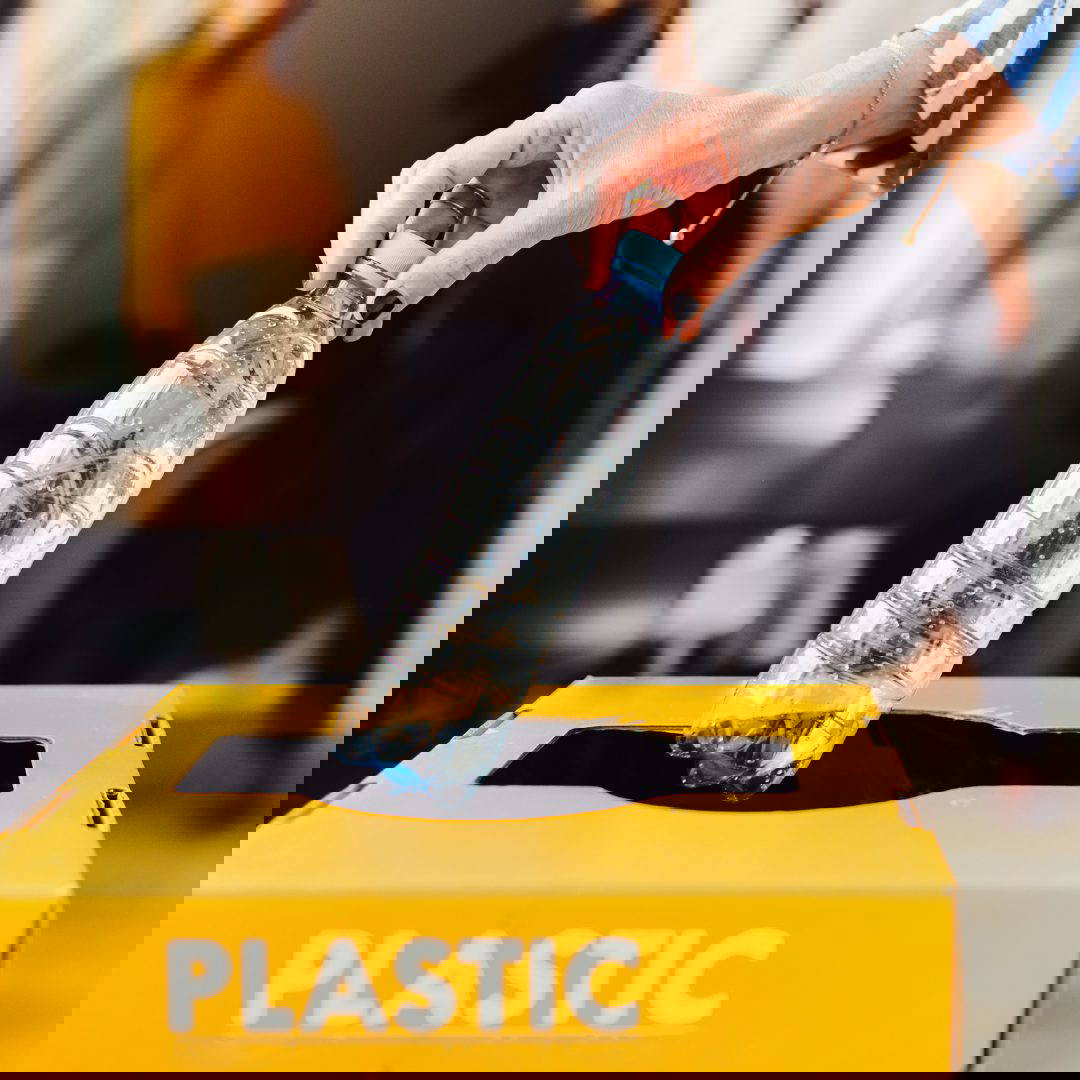
This includes reviewing recycling points, ensuring that clearly labelled waste streams are available where they are needed, and encouraging staff to separate recyclable materials wherever possible. Making recycling straightforward and accessible is an important part of achieving consistent results.
We have also started monitoring waste activity more closely so that trends in waste generation can be identified earlier. Regularly reviewing waste data allows us to track progress and identify opportunities for further improvement.
Another area of focus is wooden packaging and pallets associated with deliveries and logistics operations. While wood can be recycled, reducing the number of pallets entering the waste stream or encouraging reuse can significantly reduce overall waste volumes.
Environmental benefits
Improving waste segregation and recycling has clear environmental benefits. When recyclable materials are diverted away from general waste streams, they can be processed into new materials rather than disposed of through energy recovery or landfill routes.
Waste reporting provides useful insight into these environmental impacts, including estimates of carbon emissions avoided through recycling and the natural resources conserved by recovering materials such as paper and plastics.
While these metrics are only part of the wider environmental picture, they help demonstrate how operational changes in waste management can contribute to broader sustainability goals.
Looking ahead
Waste sustainability is an ongoing process rather than a fixed destination. As our understanding of our waste streams improves, we will continue to refine how materials are handled across the organisation.
Our long-term ambition is to increase recycling rates, improve segregation, and reduce waste at source wherever possible.
For organisations involved in manufacturing and distribution, waste management will always be part of the operational landscape. The key is ensuring that it is handled thoughtfully, transparently, and with a commitment to continuous improvement.
By taking a more data-driven approach to waste management, we are working to ensure that the materials moving through our operations are managed in a way that supports both environmental responsibility and operational efficiency.