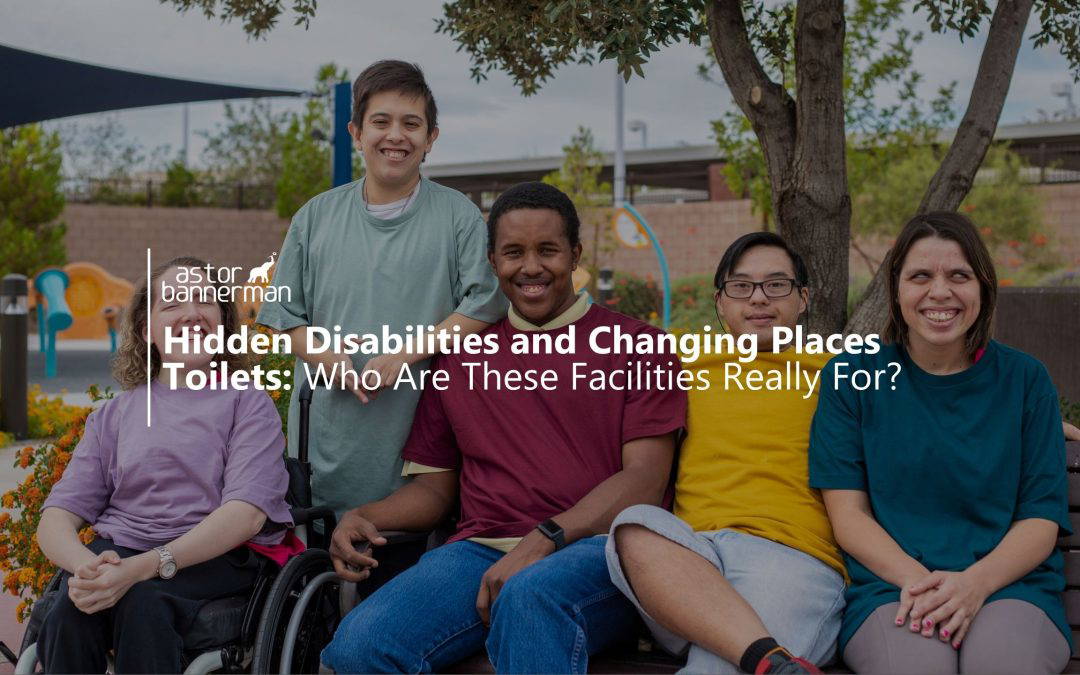
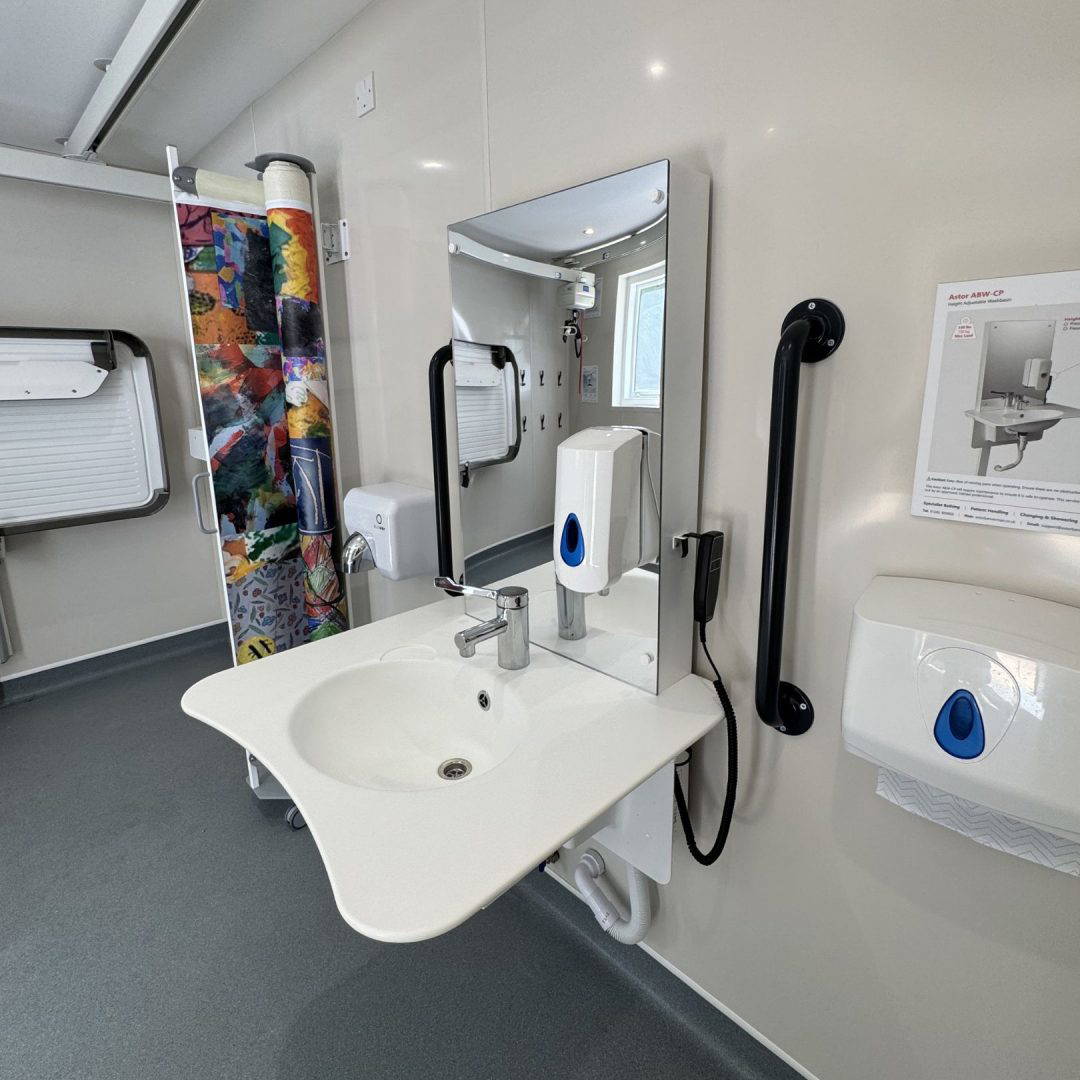
Changing Places Toilets support people with profound and multiple learning disabilities, cerebral palsy, muscular dystrophy, acquired brain injuries, neurological conditions, epilepsy and dementia, as well as many others who require assistance with personal care.
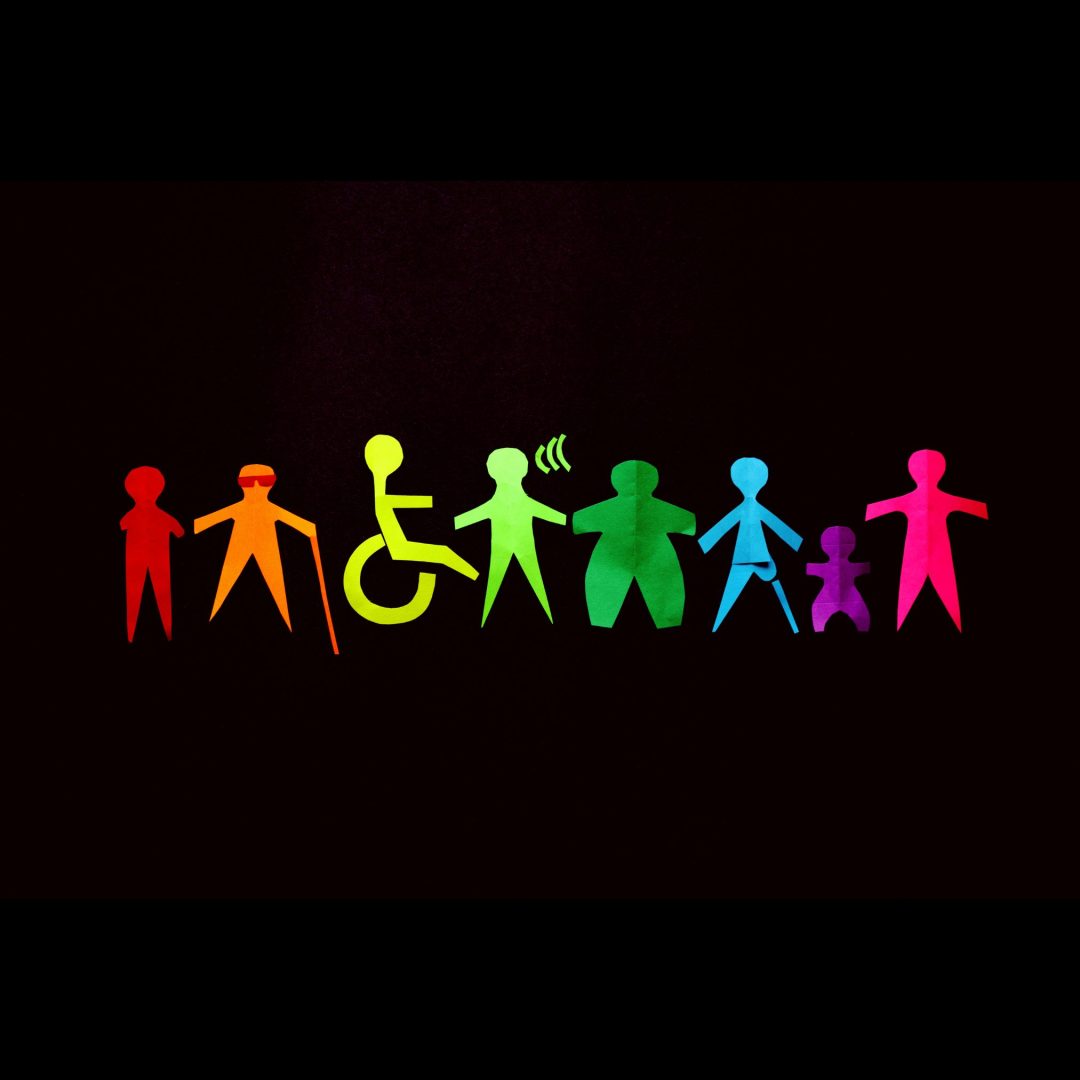
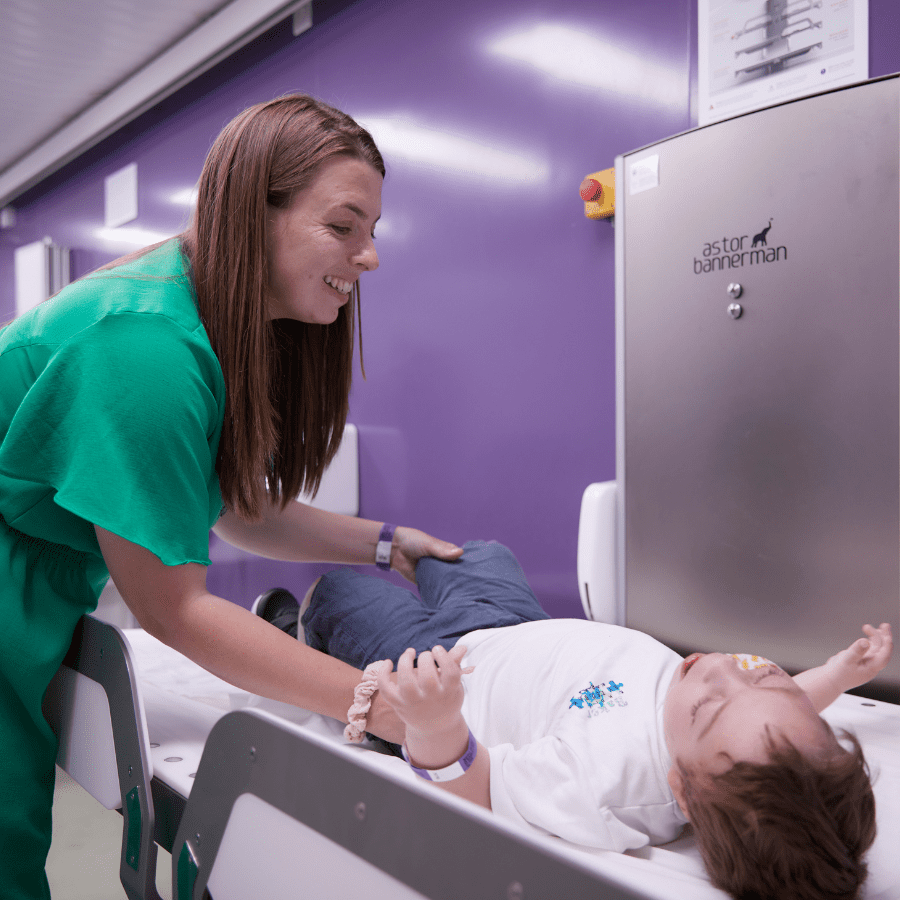
Every person’s needs are different. Some people may need an adult-sized changing bench or ceiling hoist. Others may require additional space so that one or two carers can assist them safely. For some, specialist facilities form part of a wider care plan that enables them to access their community, travel with confidence and spend longer away from home.
The important thing is recognising that a diagnosis alone doesn’t determine the right solution. The most successful adaptations consider the individual’s abilities, preferences, support needs and environment.
This is something we’ve explored in our wider clinical resource library. For example, our guide on epilepsy explains why there is no one-size-fits-all approach to bathing and personal care, while our dementia resources explore how thoughtful bathroom design can help people feel safer, more confident and maintain their independence for longer. Although these conditions affect people in very different ways, they share one important principle: good accessibility starts with understanding the individual.