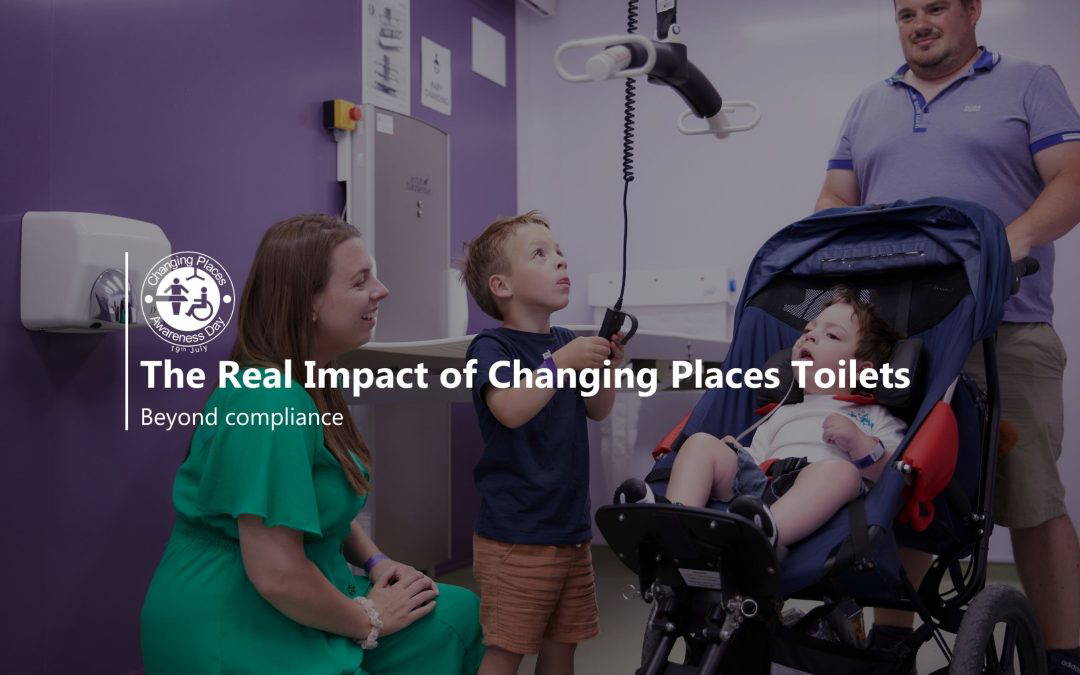
Changing Places Toilets are often discussed in terms of legislation and compliance. But their real value goes far beyond meeting requirements. They enable people with profound and multiple disabilities to participate in everyday life – whether that’s visiting a museum, enjoying a day at the seaside, attending a concert or simply stopping for lunch with family.

For many of us, using a public toilet is something we rarely think about. It’s simply there when we need it. For thousands of people across the UK, however, the availability of appropriate toilet facilities can determine whether they leave the house at all.

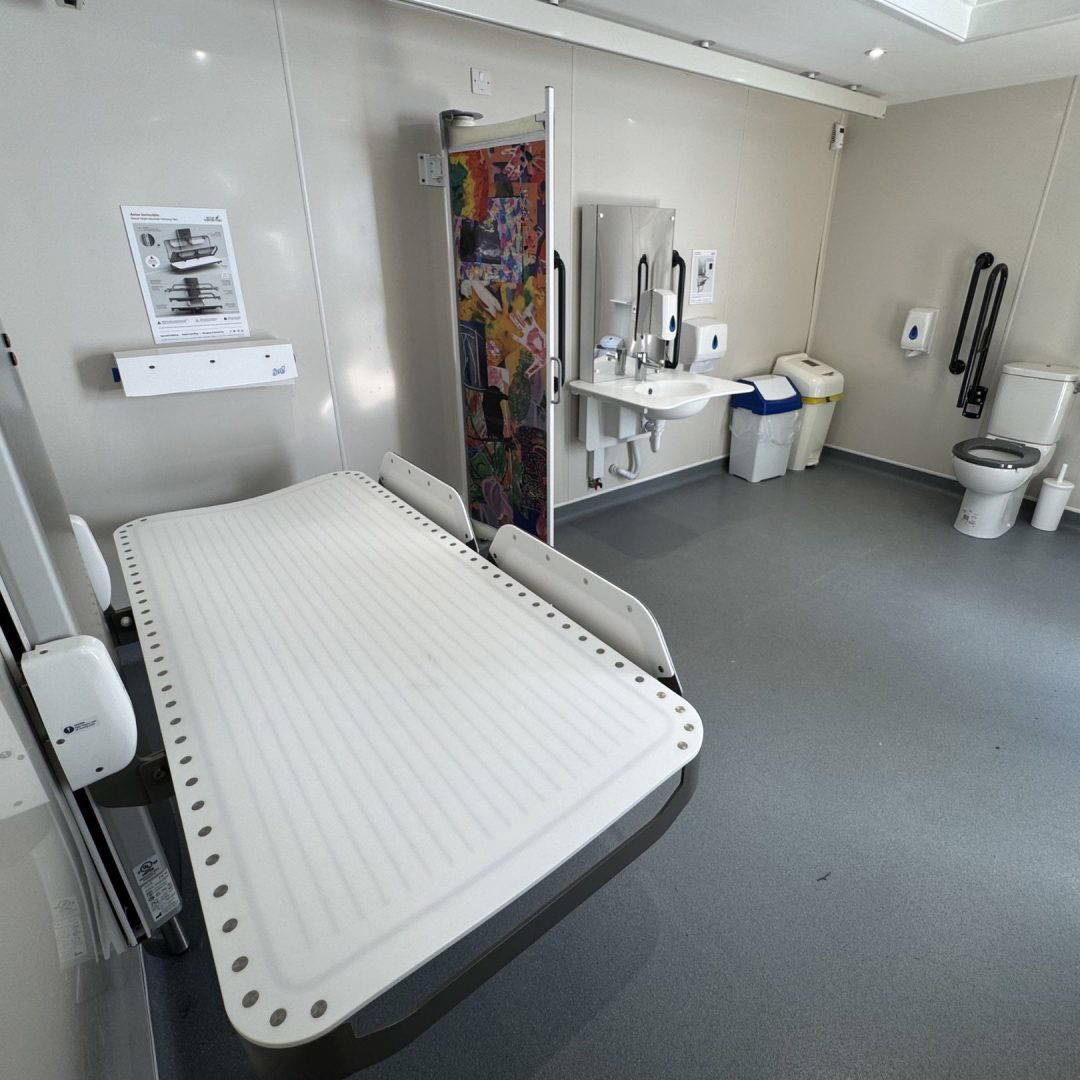
Changing Places Toilets provide facilities that simply cannot be accommodated within a standard accessible toilet, including an adult-sized changing bench, ceiling hoist and additional space for carers to provide assistance safely and with dignity.

Yet despite growing awareness, government legislation and past funding, many organisations still see them primarily as a compliance requirement rather than an opportunity to create genuinely inclusive spaces.

Manage a public building or workplace? Try our interative Changing Places Toilet Opportunity Review to see if a Changing Places Toilet could make it more inclusive.

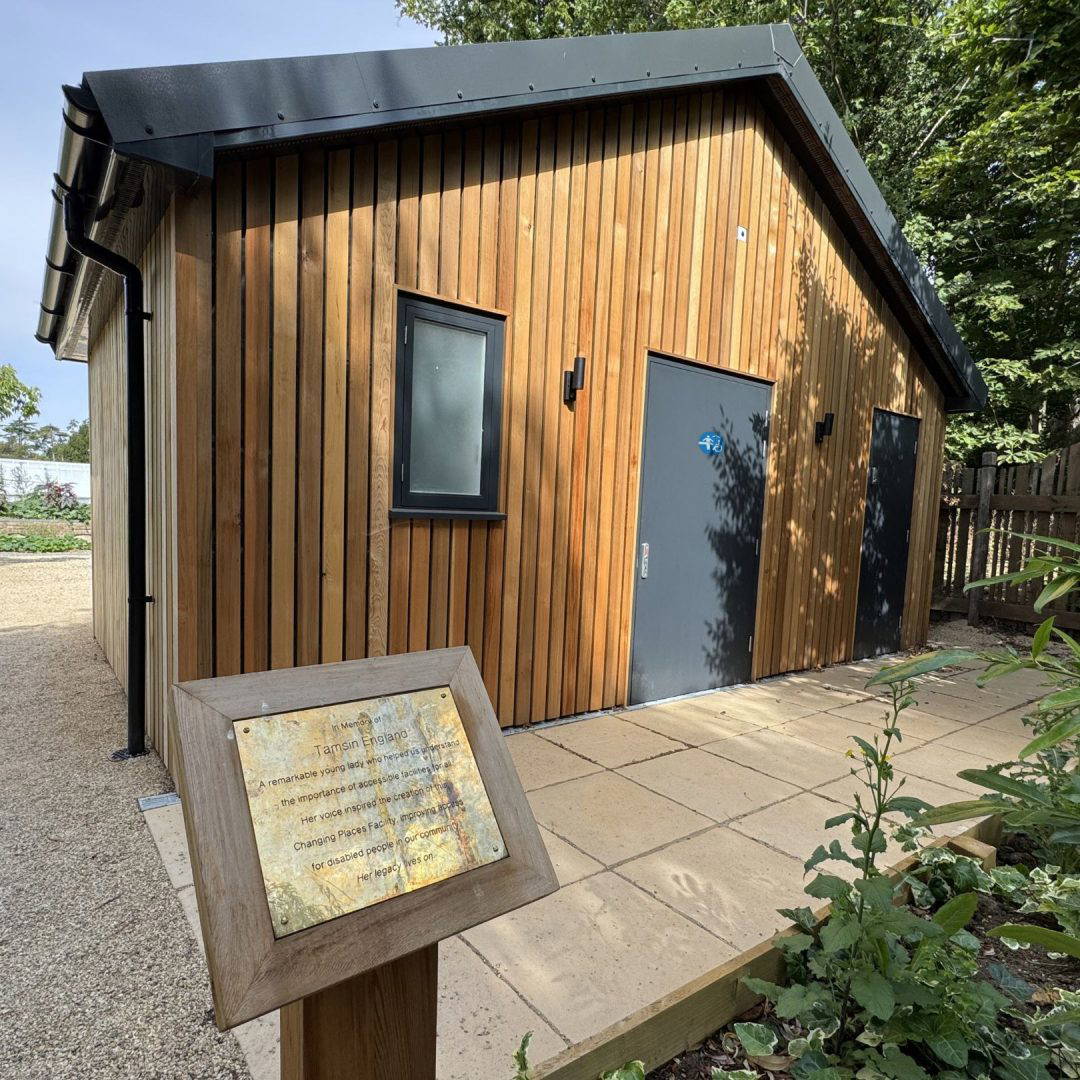
Changing Places Toilet: Ron Cooke Hub, University of York

Accessibility isn't just about getting through the front door

Many organisations have worked hard to improve physical accessibility, adding ramps, lifts and accessible entrances. These are all important improvements. But accessibility doesn’t end once someone enters a building.

If a person cannot use the toilet safely or comfortably during their visit, they may need to leave early or decide not to visit in the first place. Families often plan outings around the availability of Changing Places facilities, and some destinations are simply ruled out because suitable facilities aren’t available.

An accessible entrance may allow someone to get into a building, but accessible toilet provision often determines whether they can stay.

Beyond compliance

Legislation and building regulations play an important role in improving accessibility, but they should be viewed as the starting point rather than the end goal.
The organisations making the greatest impact are often those asking a different question.

Instead of asking: “Do we have to provide a Changing Places Toilet?”

they ask: “How can we make our venue accessible to as many people as possible?”

That subtle shift changes the conversation completely. It moves the focus from compliance to inclusion.

Browse our Changing Places Toilet Case Studies for examples and ideas

Changing Places Toilet: Greenbank Sports Academy
Changing Places Toilet At St Pauls Cathedral Accessibility

The wider benefits

Providing a Changing Places Toilet isn’t only beneficial for people with profound disabilities.

It also supports:

  • Families that include a disabled person, who would otherwise limit the length of their visits.
  • Carers who need appropriate space and equipment to assist safely.
  • Older visitors with increasing support needs.
  • Community groups looking for accessible venues.
  • Tourist destinations aiming to welcome more visitors.
  • Local authorities seeking to create inclusive public spaces.

Research and experience consistently show that accessible facilities encourage people to stay longer, visit more often and participate more fully in community life. For organisations, this can also translate into improved visitor satisfaction, stronger community engagement and a reputation for inclusivity.

A standard accessible toilet isn't always enough

Many people assume that providing a Doc M accessible toilet means their accessibility obligations are complete. Doc M facilities are an important part of accessible design and meet the needs of many disabled people. However, they cannot accommodate everyone.

People who require an adult-sized changing bench, a ceiling hoist or assistance from one or two carers often need significantly more space and specialist equipment than a standard accessible toilet can provide.

That’s why Changing Places Toilets exist – not to replace Doc M facilities, but to meet the needs of people whose requirements go beyond them.
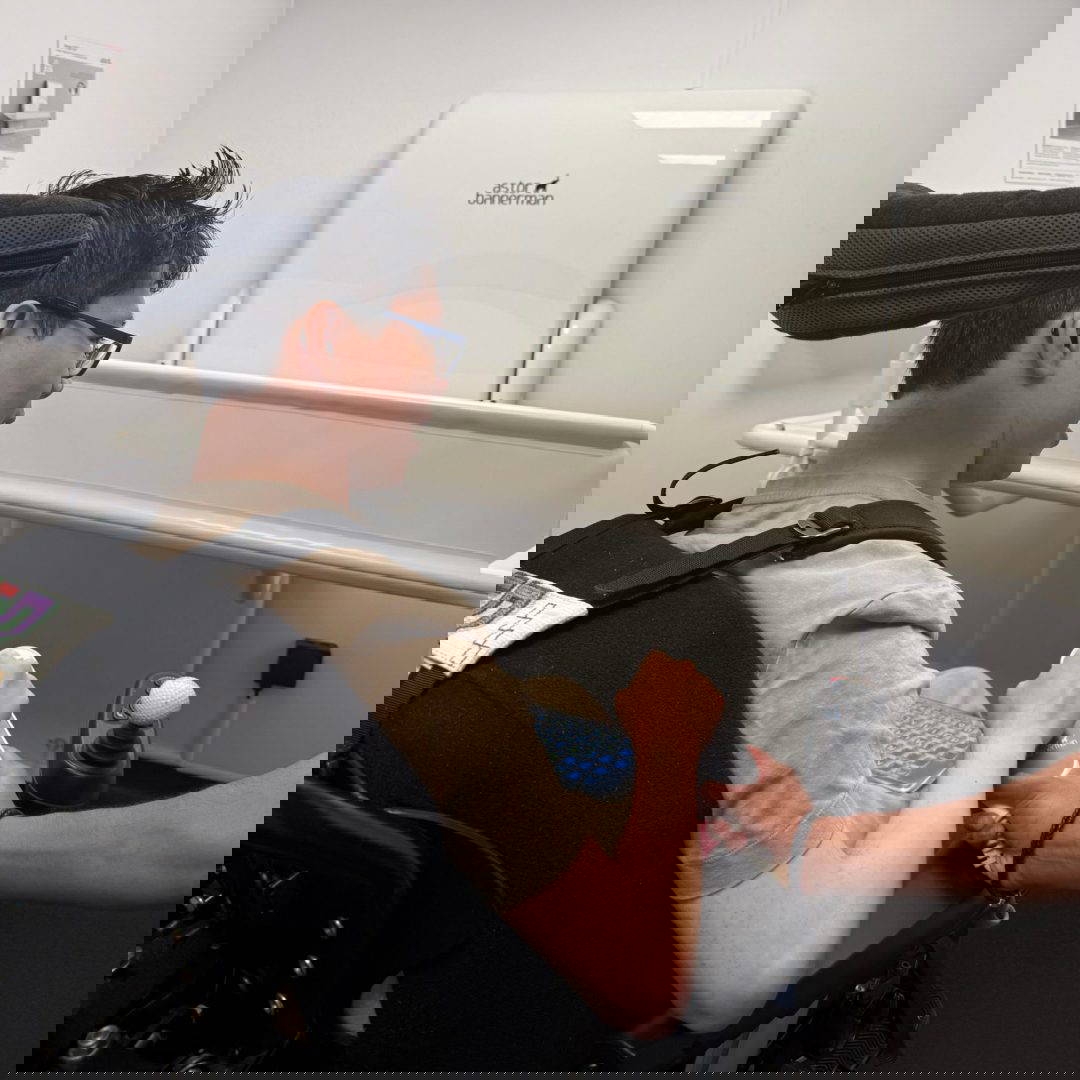
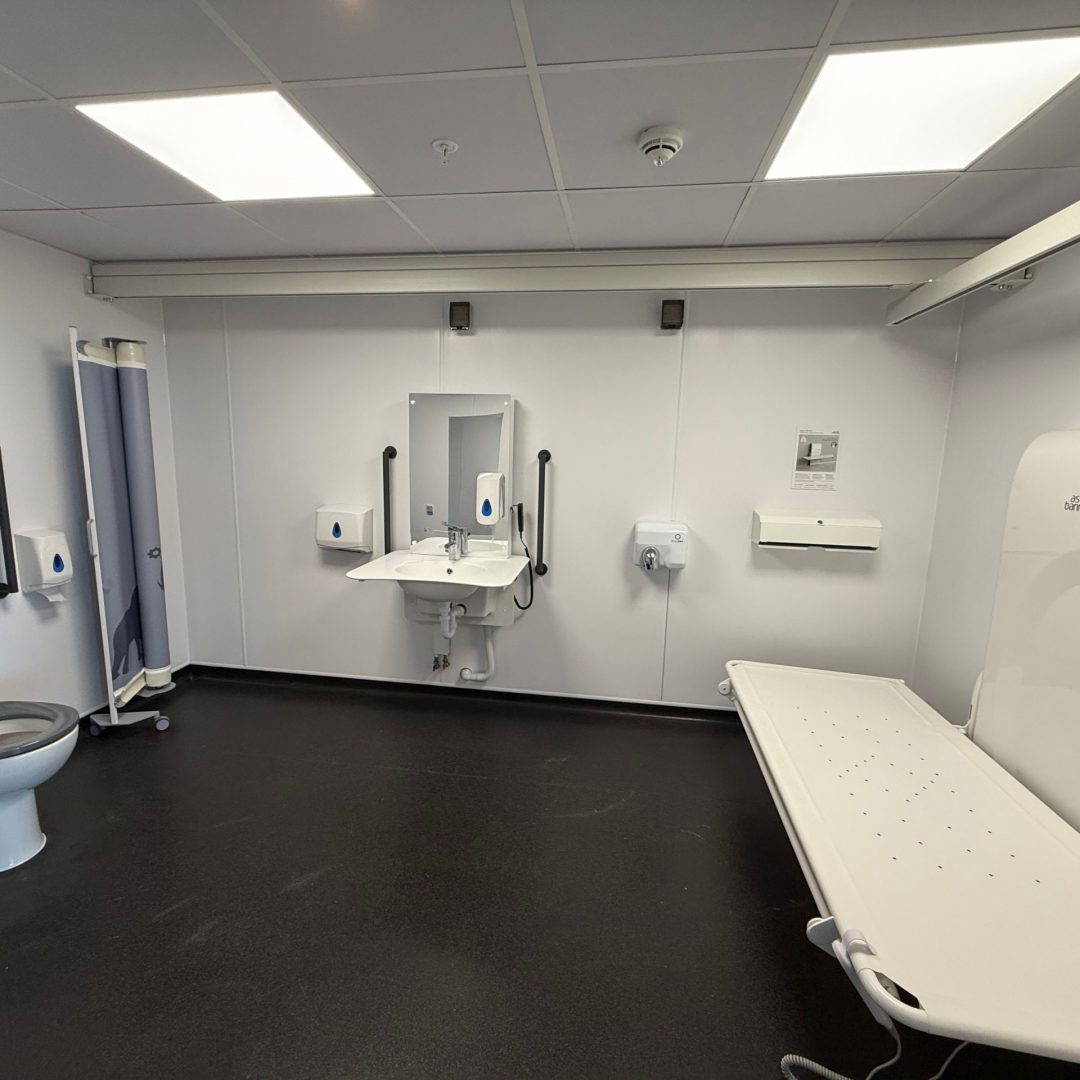
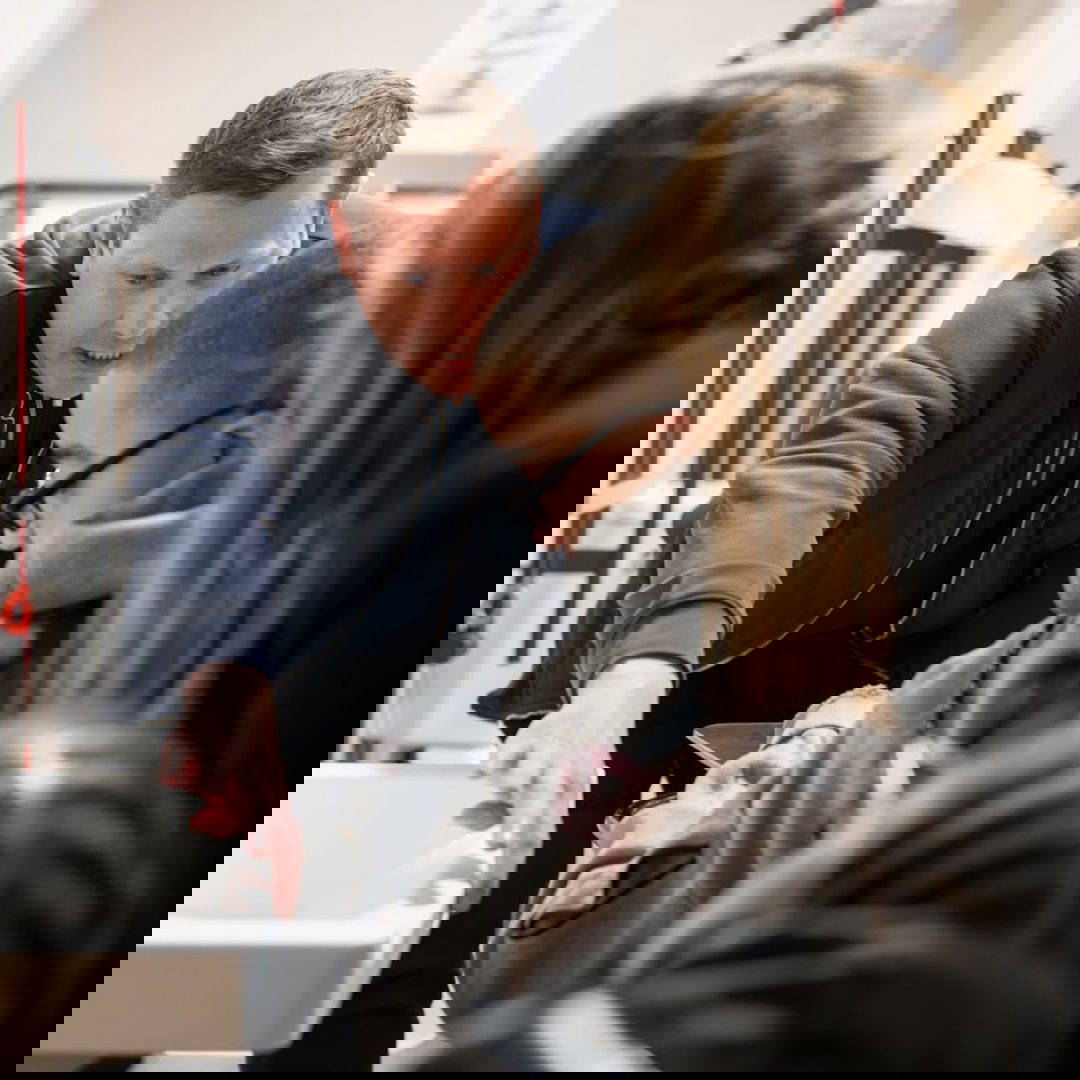
Odeon Cabot Circus Changing Places
Changing Places Toilet: Ron Cooke Hub, University of York

Planning with people in mind

Every organisation is different. A shopping centre has different visitors from a country park. A university has different demands from a sports stadium. A leisure centre has different patterns of use from a community hall.

The decision to provide a Changing Places Toilet should therefore start with understanding the people who use the building.

Questions such as:

  • Who visits our venue?
  • How long do they typically stay?
  • Are we welcoming families, school groups or community organisations?
  • Could better facilities enable more people to visit?

More than a facility

A Changing Places Toilet is often described in terms of its equipment – height-adjustable changing bench, ceiling hoist, peninsular WC and adequate movement space. But those features are only part of the story. What they really provide is confidence. Confidence for families to plan a day out. Confidence for carers supporting someone with complex needs. Confidence that people can participate in everyday activities without worrying whether appropriate facilities will be available.

Ultimately, a Changing Places Toilet isn’t just about providing a room. It’s about creating opportunities. Opportunities to stay longer. To visit somewhere new. To spend time together. To participate in work, education, leisure and community life with greater dignity and independence.

That’s why the conversation shouldn’t start with compliance. It should start with people.
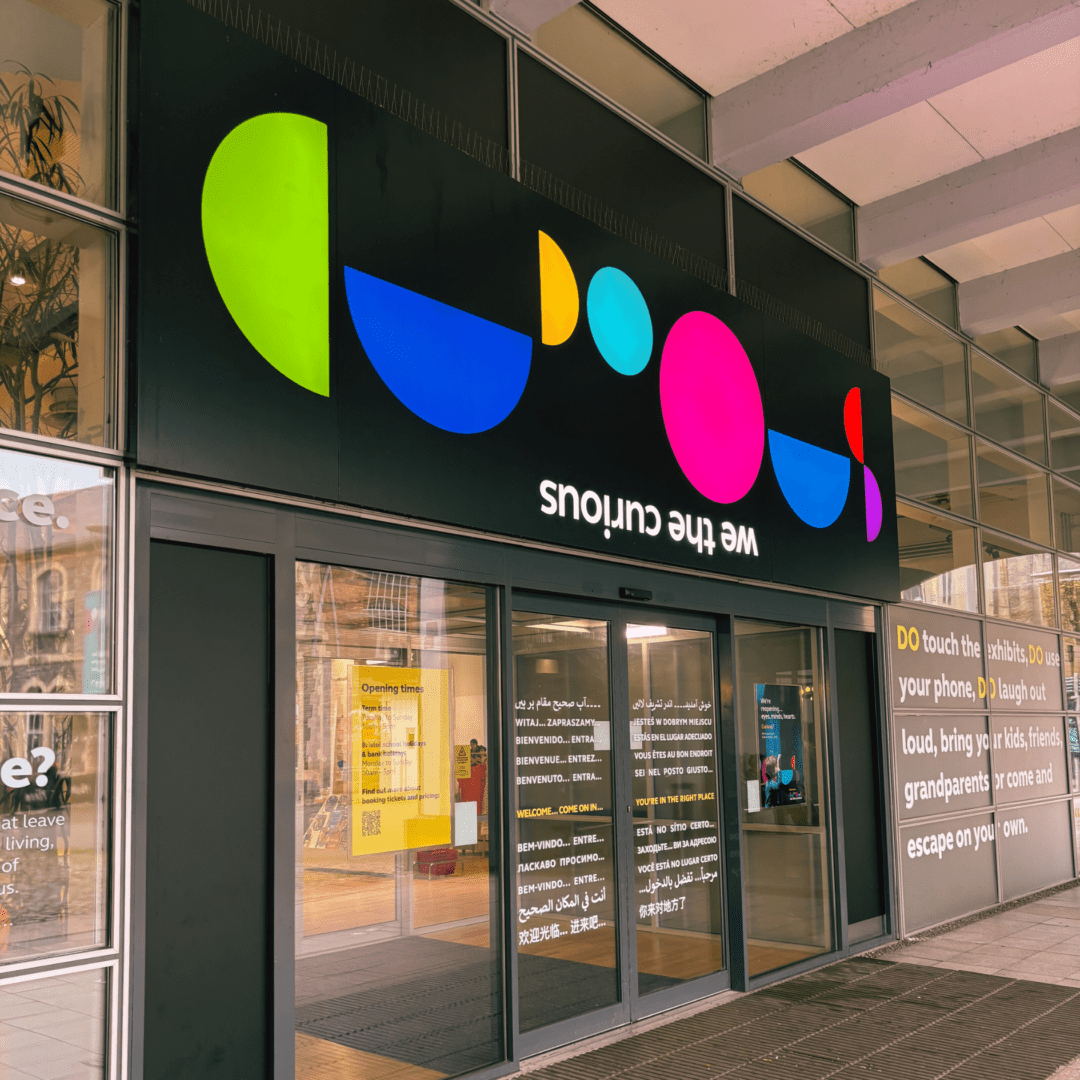
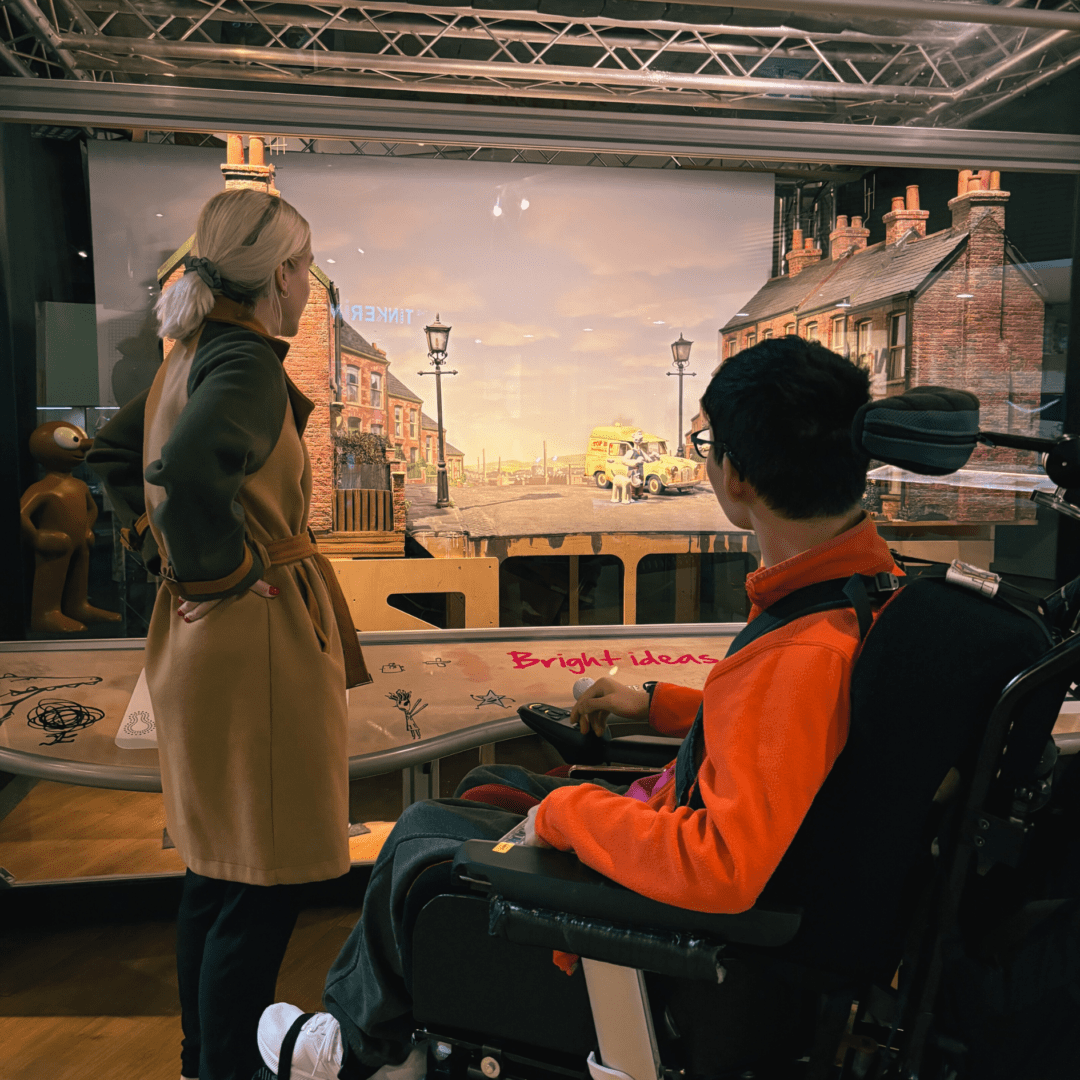
Accessibility At We The Curious Bristol

What's next?

Try our interactive Changing Places Toilet opportunity review – a simple planning tool to you think about how a Changing Places Toilet could benefit your venue or business.

Learn more about Changing Places Toilets on one of our bespoke training sessions.

If you’re working on a project and want to ensure accessibility is considered from the outset, our team can help.

From early-stage consultation through to installation, we support architects, contractors, and estates teams in delivering compliant Changing Places facilities in complex environments.