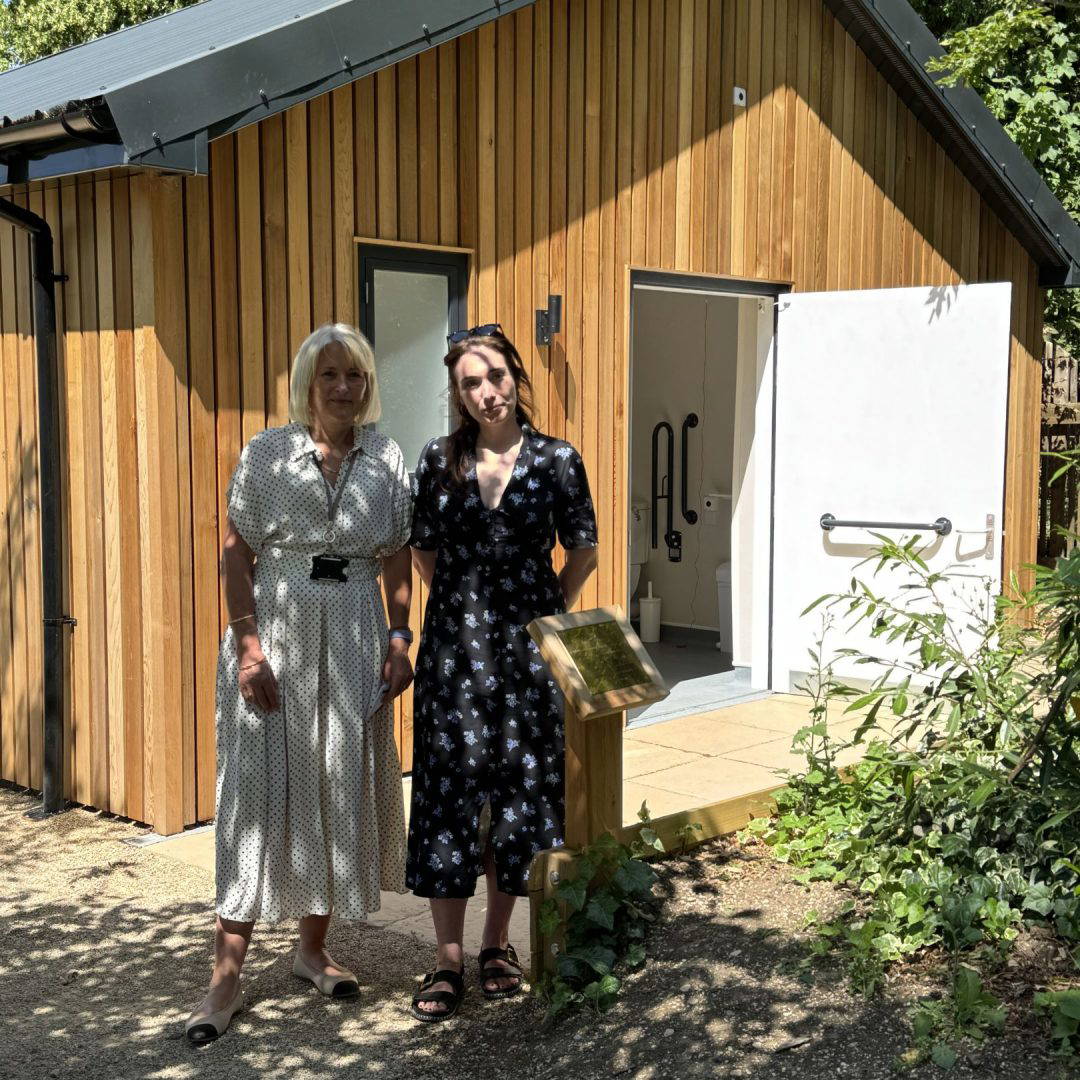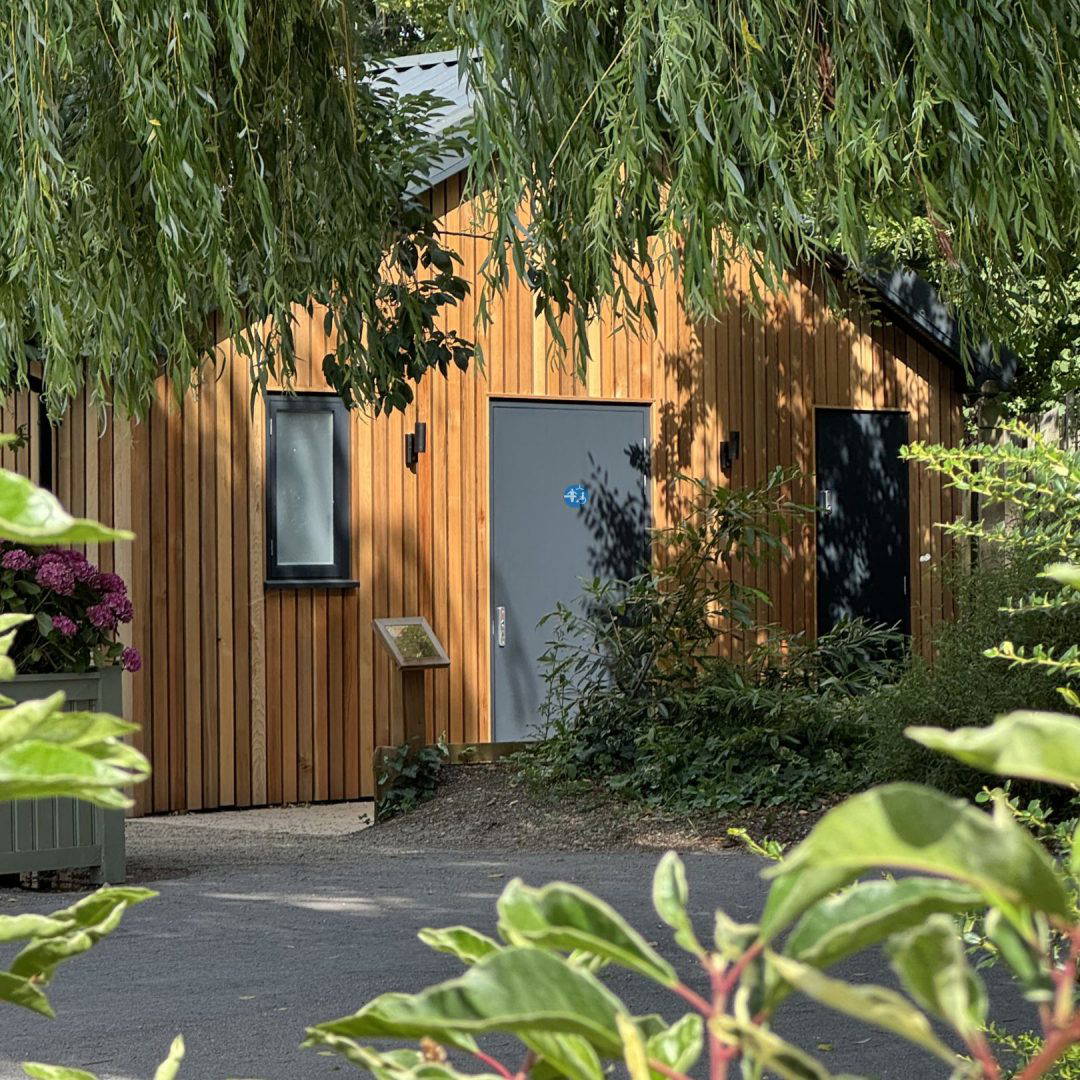

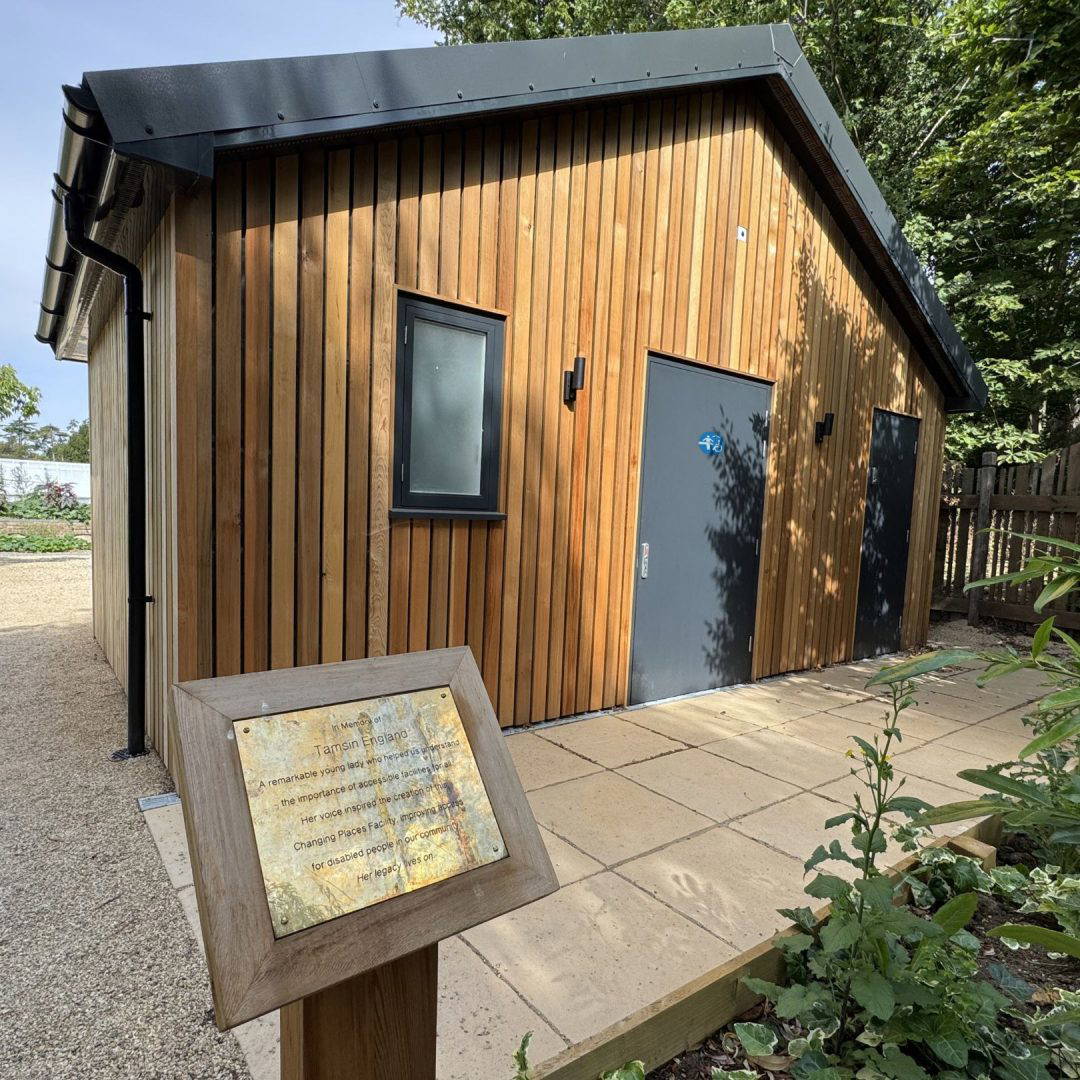

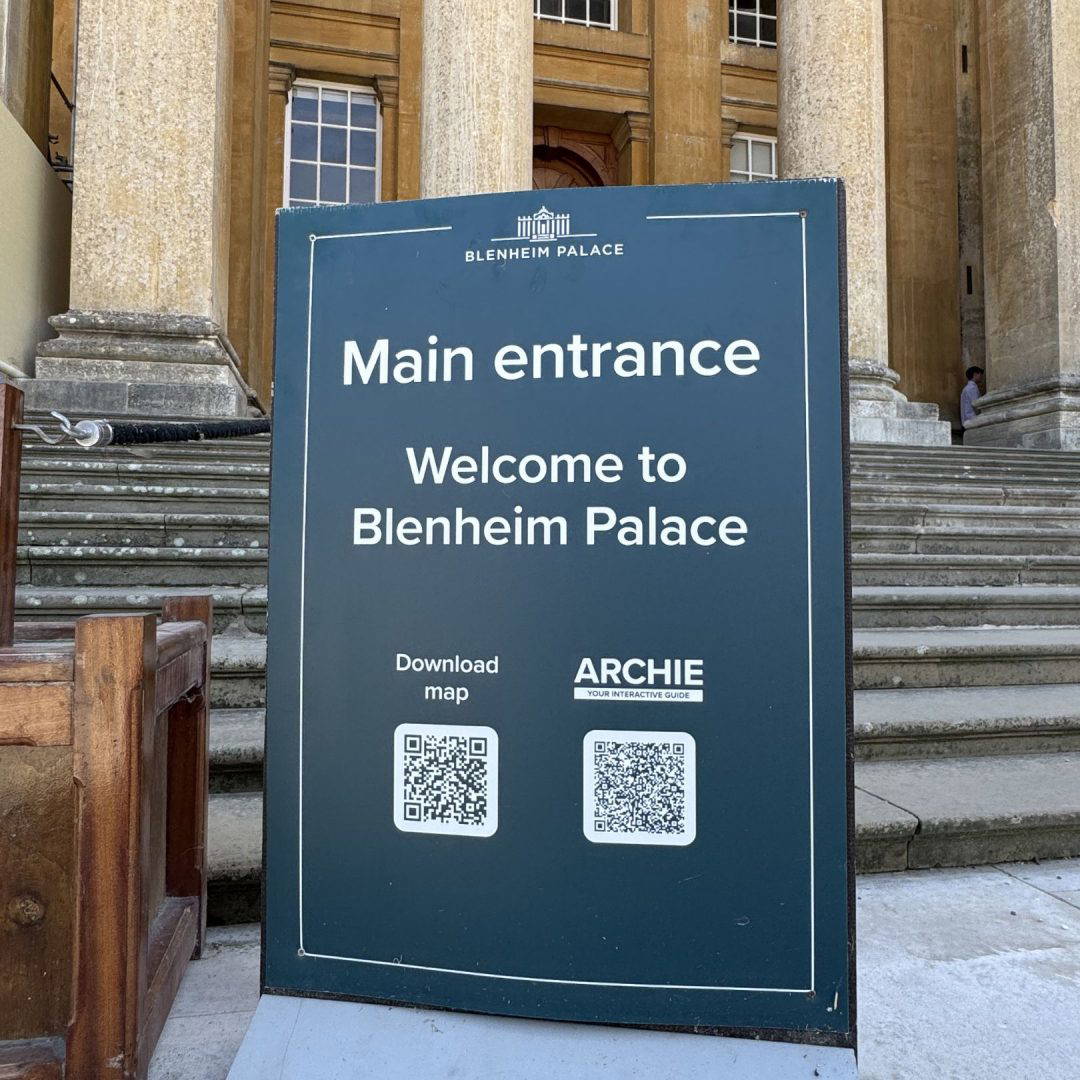
Last week, Astor Bannerman joined the team at Blenheim Palace to officially open its new Changing Places Toilet – a facility designed and equipped to give visitors with profound and multiple disabilities the space, equipment and dignity that a standard accessible toilet simply cannot provide.

The project is part of a much longer story. It’s a story that began with one family from Oxfordshire, and their daughter Tamsin – a full-time wheelchair user whose family spent years campaigning for exactly this kind of facility, because a Changing Places Toilet meant Tamsin could leave the house, stay out for the day, and take part in ordinary family life without it becoming a battle of logistics, dignity and pain.

Tamsin’s family has spoken publicly before about what life was like without a Changing Places Toilet nearby: having to lift her manually onto a standard accessible toilet, holding her body weight over one arm while removing her clothing with the other. It wasn’t safe, and it wasn’t dignified – but for a long time, it was the only option. Discovering the Changing Places campaign changed that.

Tamsin has sadly since passed away. Her family’s advocacy – and the campaign she helped inspire – lives on in facilities like the one that opened at Blenheim Palace yesterday.

Changing Places Toilet: Ron Cooke Hub, University of York

In her Mother's words
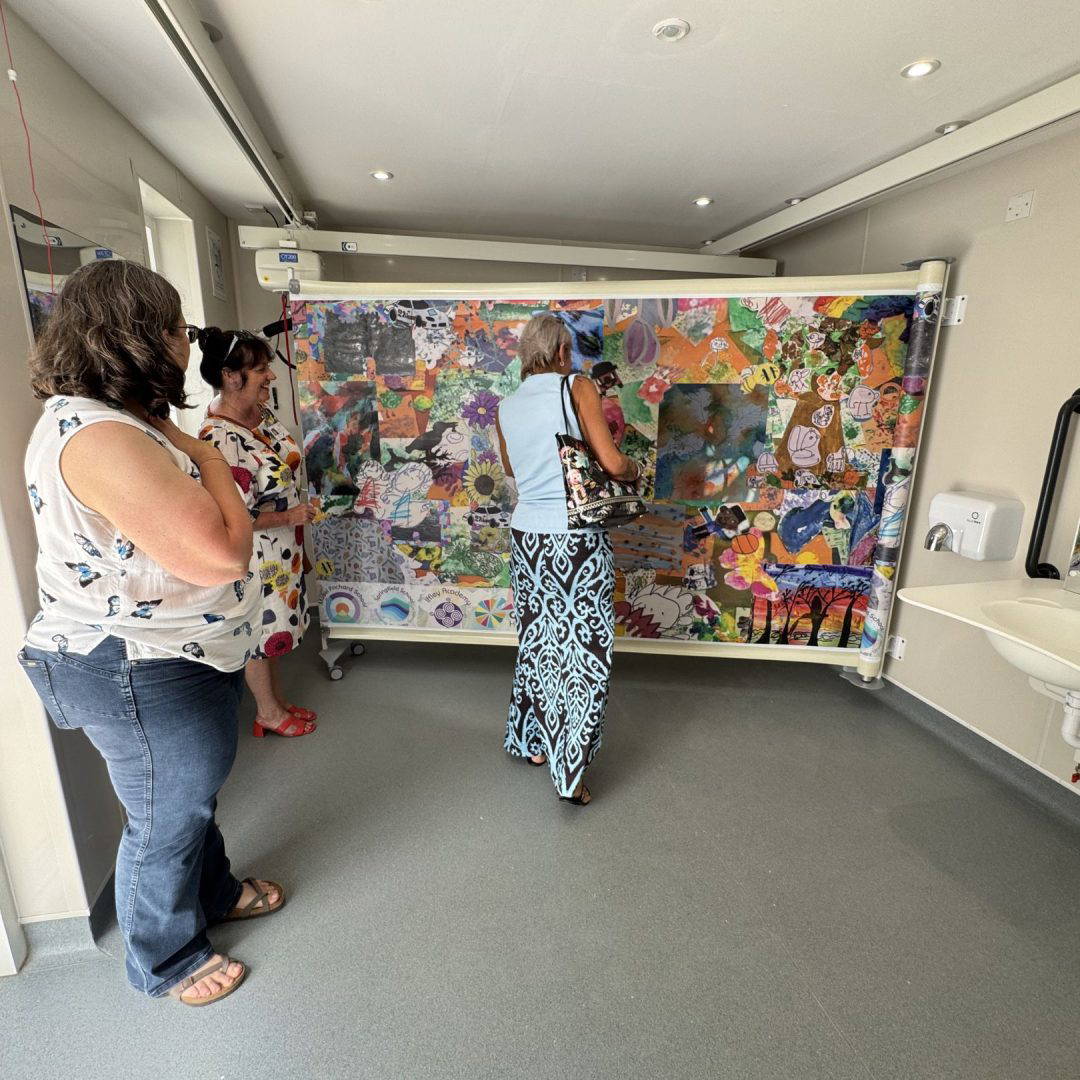
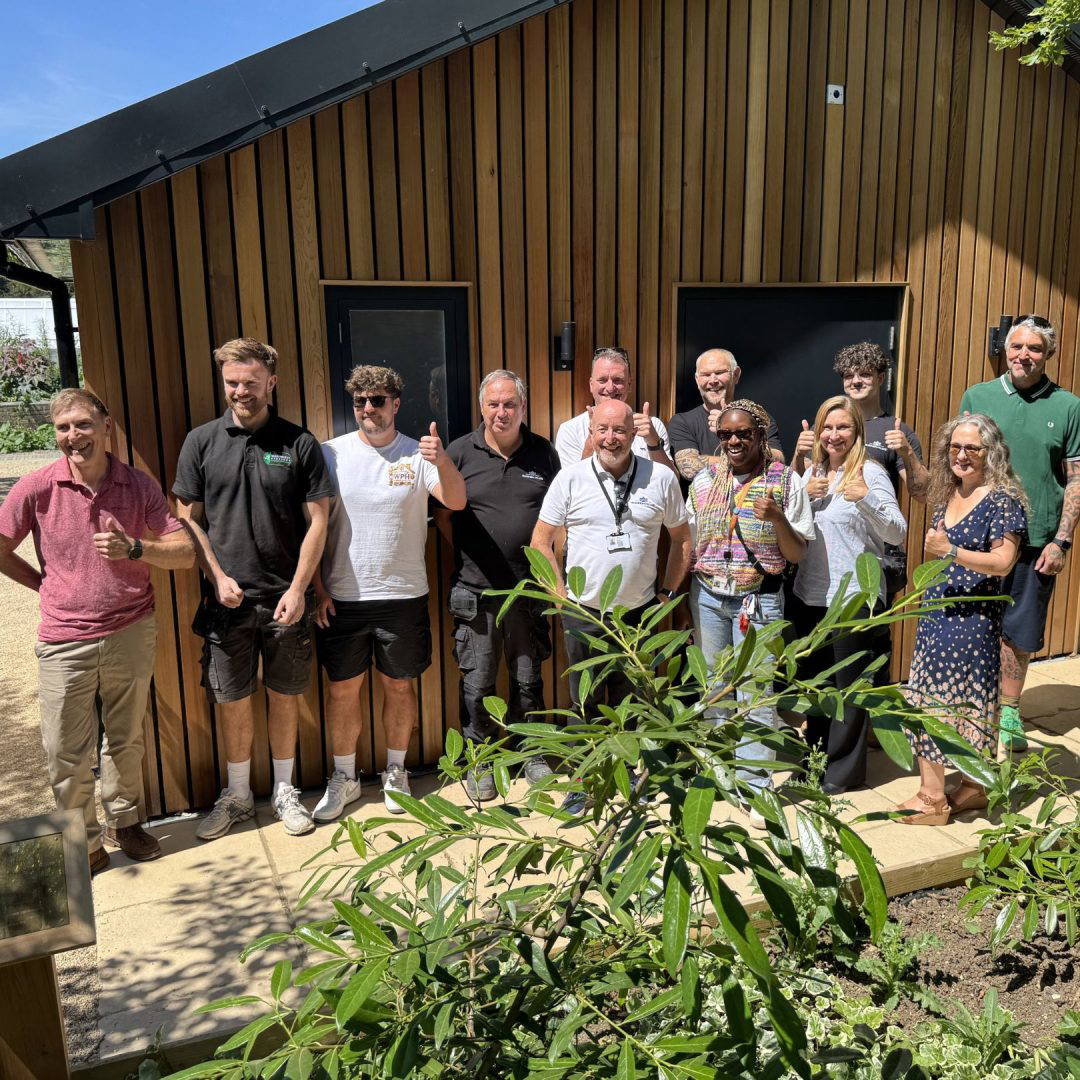
Karen England, Tamsin’s mum, was at Blenheim Palace for the opening.

“We would come to the Palace as a family. We would go out in the grounds here and in the play park, but we couldn’t stay for very long because there was no facility. So myself and Tamsin, our friend Sam and her son Otis, we all approached Blenheim to say what we needed.


All the team at Blenheim that have made this happen – it has been a long time coming. So thank you.”

Changing Places Toilet: Ron Cooke Hub, University of York

Bringing the Project to Life

Turning a Changing Places Toilet from a plan into a working facility takes careful design, coordination between multiple contractors, and specialist equipment installed to exacting standards. The entire Blenheim team were invested in the project, and there was a great deal of attention to detail – such as using wood from the estate for the external cladding.

Chris Monaghan was in charge of the project build.

“We had a great team that worked with us, we had our in-house carpenters, we had local block workers who worked for us, we had local electricians, local plumbers, and with that we steamrolled the process through as quickly as we possibly could.”

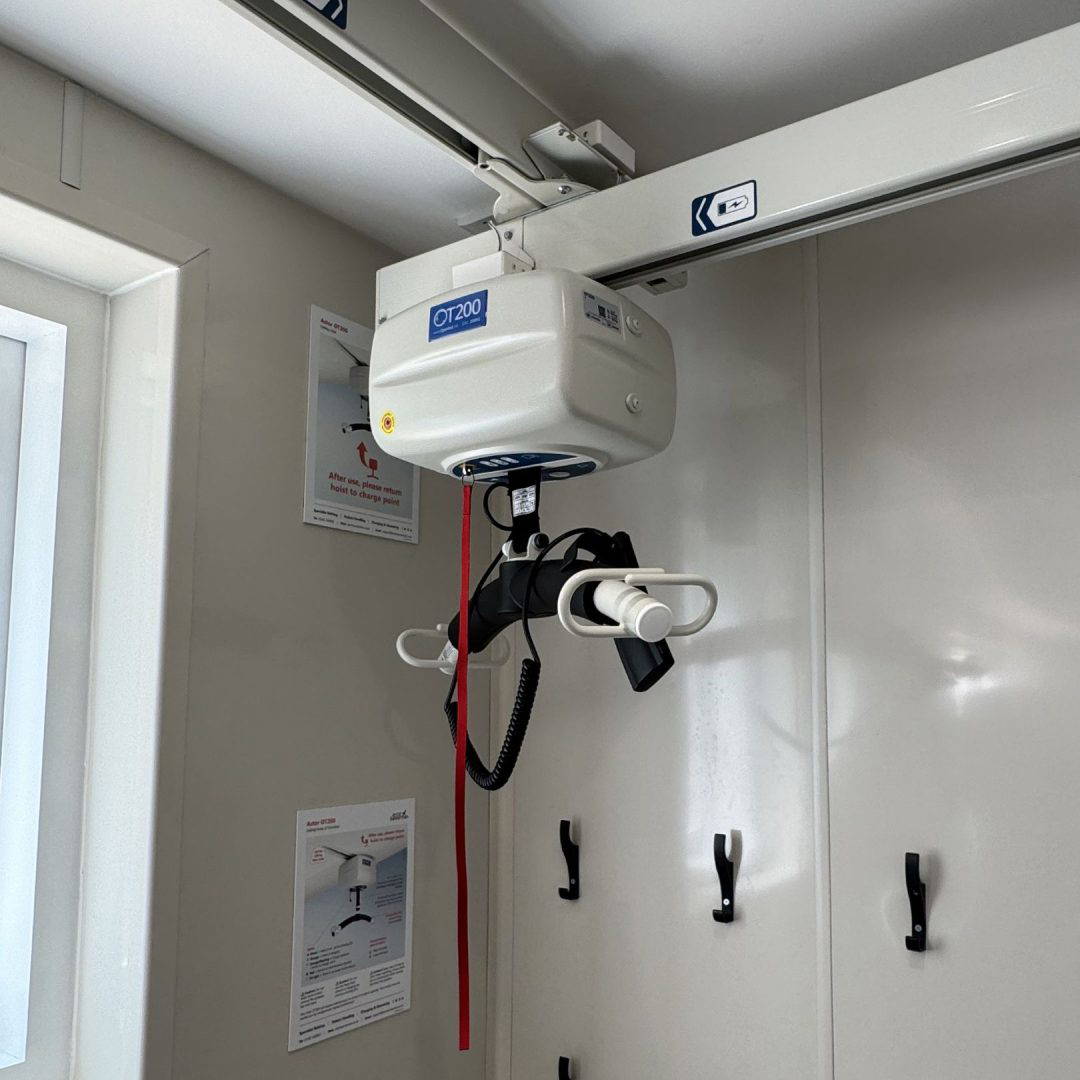
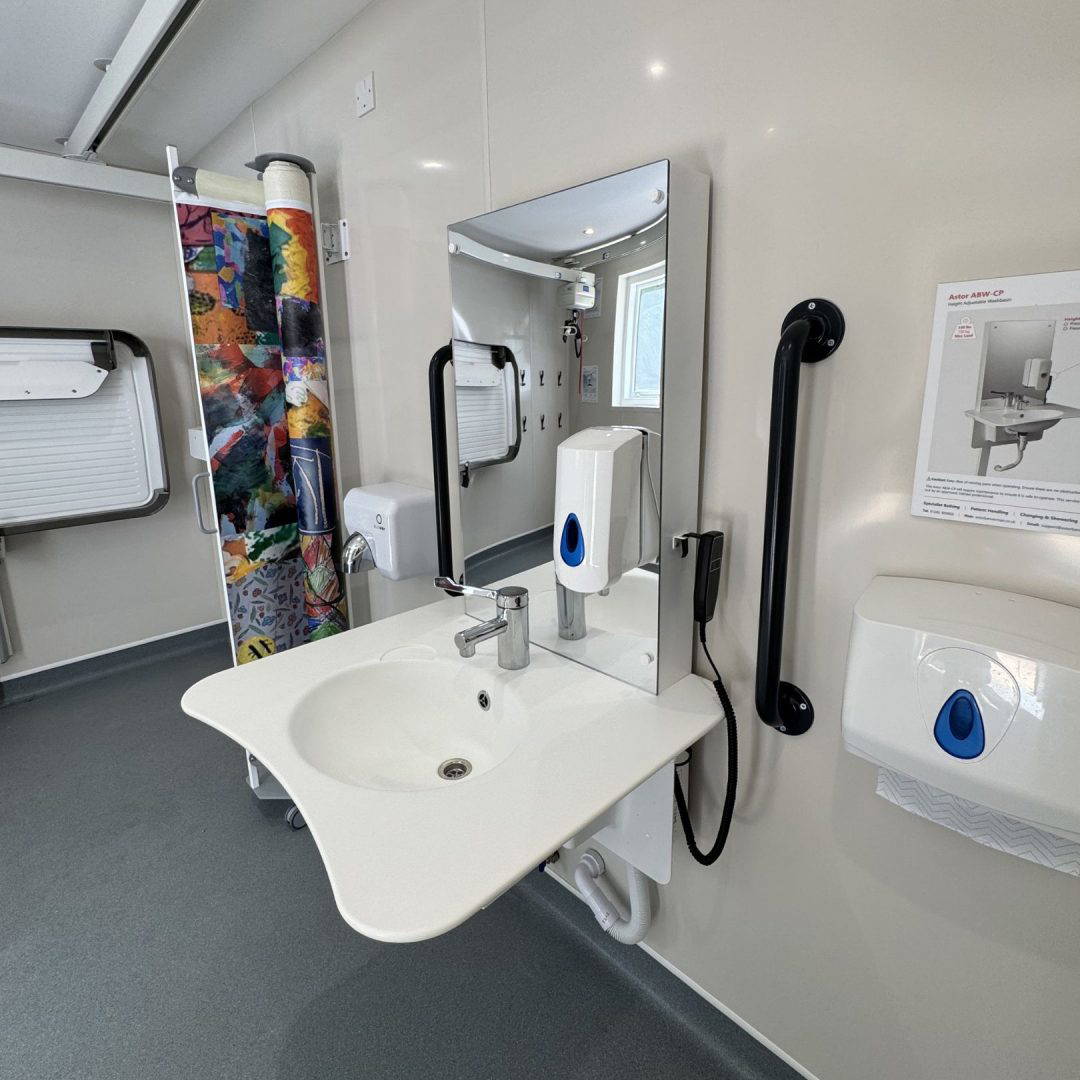
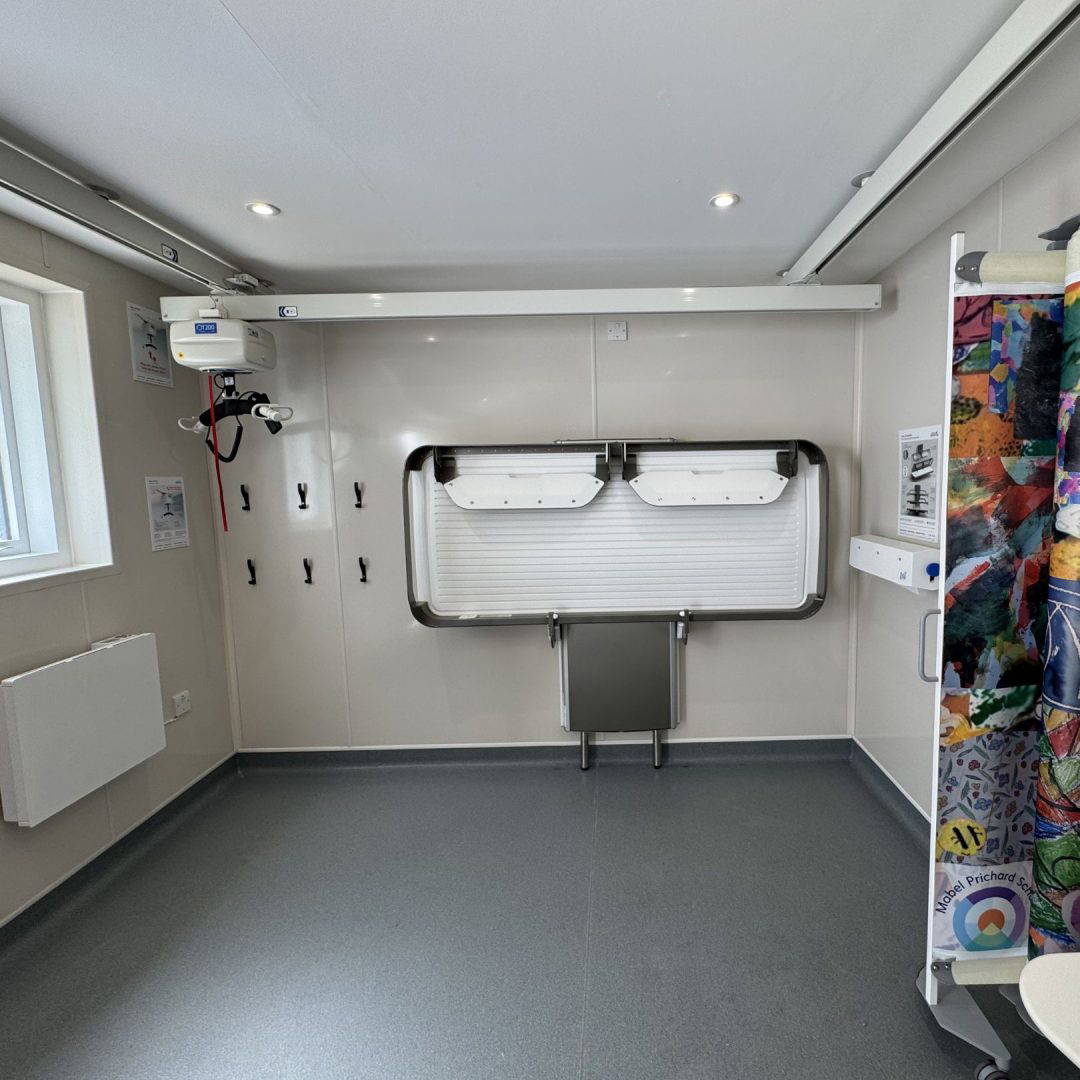
A registered Changing Places Toilet must include an adult-sized, height-adjustable changing bench, a ceiling track hoist, a peninsular WC with space for carers on both sides, an adequate-sized room with privacy screening, and an accessible wash basin. Astor Bannerman is the only UK manufacturer producing the full range of equipment specified under Changing Places regulations – from changing benches and hoists to height-adjustable basins – giving venues a single, specialist point of contact from design through to installation and aftercare.

Equipment Installed

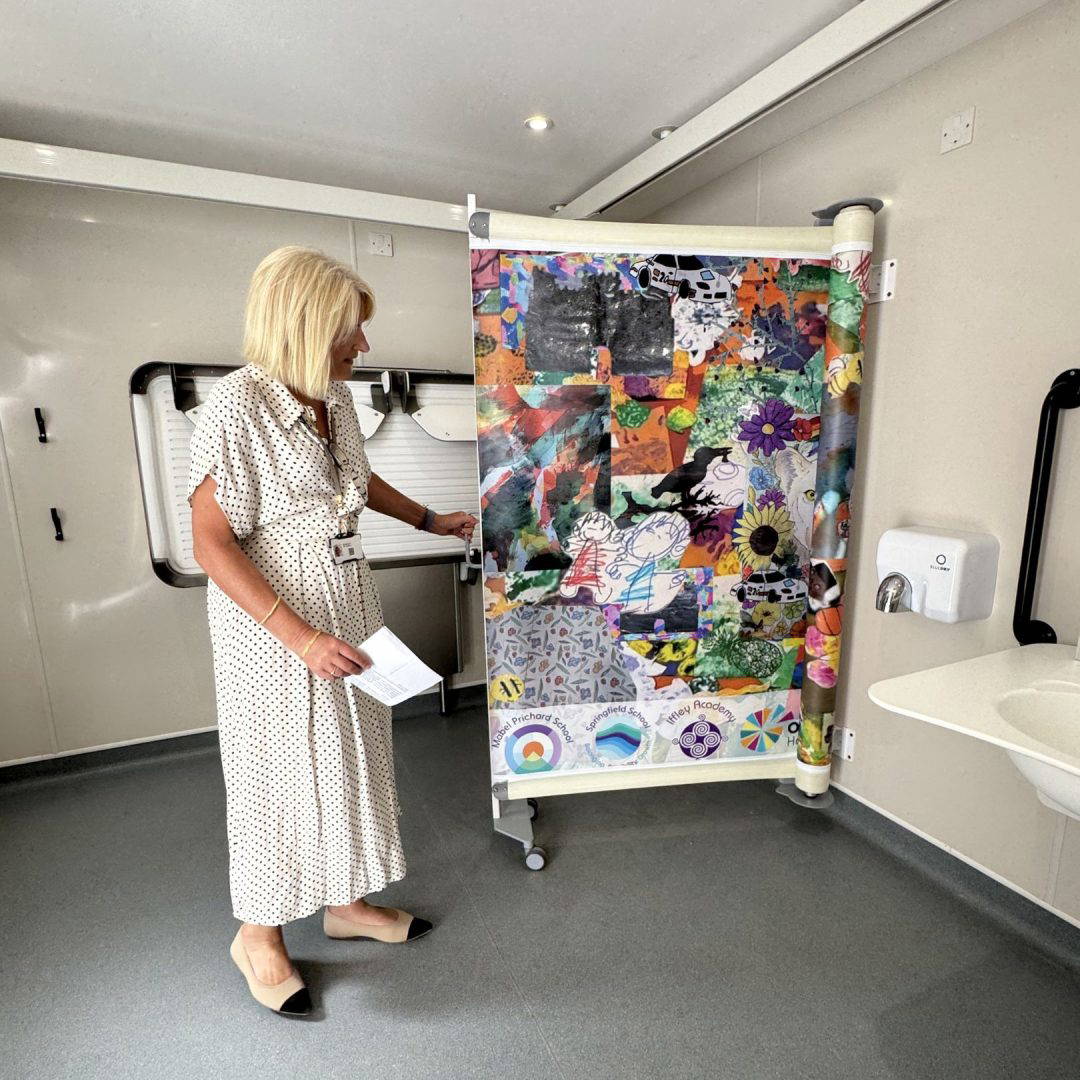
The privacy screen has been given a special personal touch: its design was created by children from local SEND schools, including Mabel Prichard School, Springfield School, Iffley Academy and Oxfordshire Hospital School, whose artwork now forms part of the facility itself.
Changing Places Toilet: Ron Cooke Hub, University of York

The View From the Campaign

Karen Hoe represents Changing Places UK, the consortium that has campaigned for these facilities since the campaign launched in 2006. She joined the Blenheim Palace opening to mark the latest addition to a growing national network.

“I was delighted to be present at the opening of Blenheim Palace’s new Changing Places Toilet. These facilities have a transformative impact on disabled people and their families across the country – enabling them to experience more of the UK’s attractions, historic buildings and parks”
There are now just under 3000 registered Changing Places Toilets across the UK, with a record 414 added in a single year – but the consortium estimates that around 250,000 people in the UK need this kind of facility to be able to leave the house with confidence. Every new opening, particularly at a landmark destination like Blenheim Palace, helps close that gap and puts another venue on the national Changing Places map that families rely on to plan their days out.
Changing Places Toilet: Ron Cooke Hub, University of York
Changing Places At Windsor Castle
Changing Places Toilet: Ron Cooke Hub, University of York

Part of a Wider Commitment

The new Changing Places Toilet joins a broader accessibility programme already in place across the estate. Blenheim Palace offers level access to many areas of the Palace, the Churchill Exhibition and the Stables Exhibition, a platform lift into the state rooms and Orangery restaurant, and wheelchairs and mobility scooters available to hire from its Access Desk. Visitors with sensory or visual impairments are supported with a dedicated touch tour, audio and large-print guides, and displays with contrast markings, while performances and exhibitions are supported with British Sign Language interpretation.

Before this project, accessible toilets on site were limited to standard facilities at the gift shop, the Churchill Exhibition and the Walled Garden, supplemented by portable Mobiloo units brought in for select events. A permanent, purpose-built Changing Places Toilet closes a gap that existing provision couldn’t reach – meaning visitors with the most complex needs no longer have to plan their visit around a temporary unit or a single event date.

Why This Matters Beyond Blenheim

Blenheim Palace’s Changing Places Toilet isn’t only a story about one venue meeting a standard. It’s a reminder of what happens when organisations think beyond compliance and ask a different question: not “do we have to provide this?” but “who is currently unable to fully enjoy what we offer?”

For families like Tamsin’s, that question – and venues willing to act on the answer – is the difference between a day out being possible or not.

Get In Touch

If you’re working on a project and want to ensure accessibility is considered from the outset, our team can help.

From early-stage consultation through to installation, we support architects, contractors, and estates teams in delivering compliant Changing Places facilities in complex environments.