Every summer, millions of us head off for a day or couple of days out – a castle, a theme park, a beach, a city break. For disabled people and their families, the decision-making starts weeks before: researching how they get there, whether the venue can actually accommodate them, and whether “accessible” on a website means what they need it to mean.

Because accessibility isn’t one thing. It’s a chain of smaller things, and if any link in that chain breaks, the day out breaks with it – no matter how good the rest of the experience is. That chain doesn’t start at the front door, either. It starts with getting there in the first place.

Getting There Matters Just as Much as Arriving

Most conversations about accessible travel focus on the destination. Fewer focus on the journey itself – the motorway services, train stations and transport hubs that make up the actual trip. For many families, this is where planning gets hardest, because provision along the way is far patchier than at the destination.

Changing Places Toilets have been required at motorway service stations since 2011, but progress was slow and inconsistent between operators until 2022 regulations made it compulsory for all service areas, with the requirement extended to new EV charging hubs too. Guidance under BS 8300 also identifies transport hubs, termini and motorway services as priority locations, specifically calling for provision at every Category A National Hub station – the UK’s 28 largest rail stations.

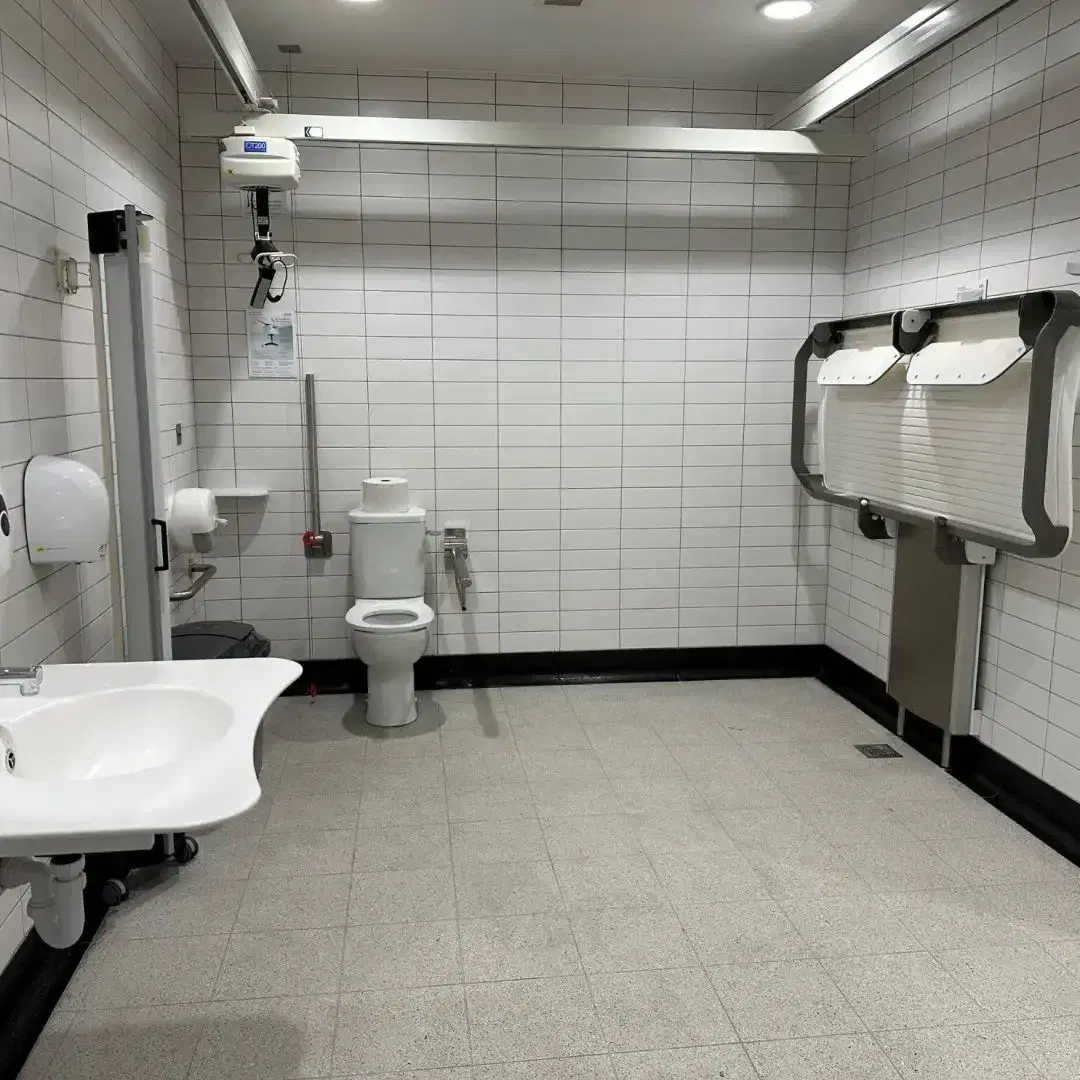
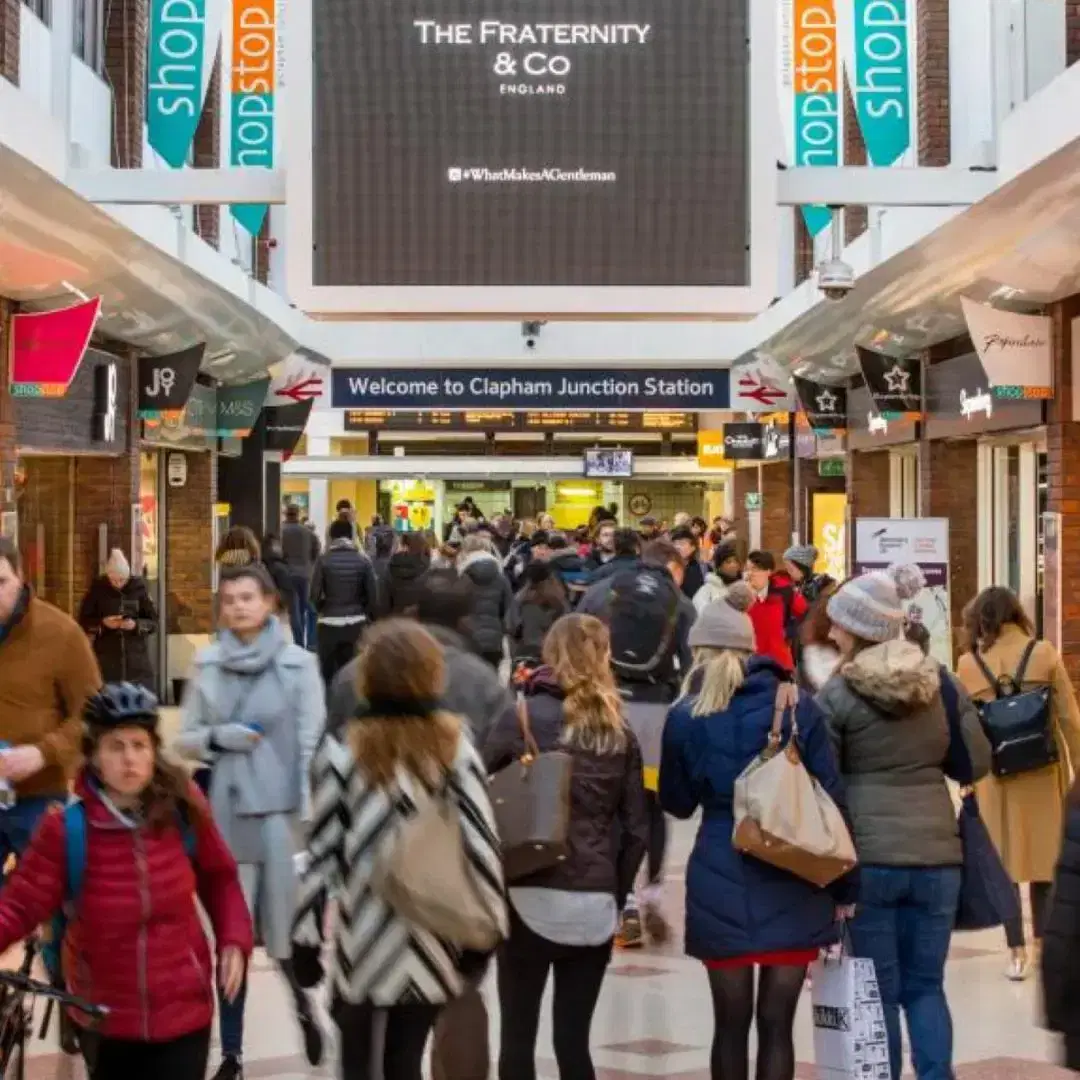
Clapham Junction, one of the busiest interchange stations in the UK, is a good recent example: alongside its existing step-free routes, lifts and staff assistance, it now includes a fully compliant Changing Places Toilet, supporting passengers making longer or multi-leg journeys across London and the South East. Read about this project.

Changing Places Toilet: Greenbank Sports Academy

Physical Access Is Only Part of the Picture

Ramps, lifts and step-free routes matter, but they’re the most visible part of accessibility – and often the part venues focus on first. Just as important: sensory considerations for autistic visitors or those with sensory processing differences, clear and consistent signage for people with learning disabilities, staff who understand hidden disabilities, and – the piece we know best – toilet facilities that actually meet the needs of visitors with profound and multiple disabilities.

A venue can have a beautifully ramped entrance and still fail a family at the one moment that matters most: when someone needs the toilet, and the only option is a standard accessible cubicle with no hoist, no adult-sized changing bench, and no space for two carers to help safely.

If you’re responsible for a venue and are thinking about whether a Changing Places Toilet would be beneficial, try our quick interactive tool:

Try our Changing Places Toilet Opportunity Tool

What This Looks Like Across Different Kinds of Venues

The venues closing this gap well aren’t all the same type of place, which is worth noting – this isn’t a challenge unique to one kind of attraction.

Read our Accessible Toilet Checklist for Venues

At Blenheim Palace, a new Changing Places Toilet joined an already broad accessibility programme – level access, a touch tour, BSL support, mobility equipment hire – closing a gap no amount of ramps or guides could close alone.

Read more about the Changing Places Toilet at Blenheim Palace

At Portishead Open Air Pool, a community-run lido on the North Somerset coast, a similar facility now sits alongside existing accessible changing areas and SEN swim sessions, including a shower trolley for visitors needing more specialist hygiene support – a reminder that leisure venues, not just heritage sites, face exactly the same gap.

Read the case study on Portishead Open Air Pool

At St Paul’s Cathedral, the challenge was different again: fitting a fully compliant facility into a Grade I listed building with limited fixing points and restricted service routes. The project traces back nearly a decade, to Karen Hoe OBE first raising the need after being unable to attend her son’s OBE service at the cathedral because no suitable facility existed. She attended the finished facility’s opening in April 2026 – a personal milestone as much as a national one.

Read about the Changing Places Toilet at St. Pauls Cathedral

Why This Matters to Venues, Not Just Families

An estimated 250,000 people in the UK need a Changing Places Toilet to leave the house with confidence – and many more navigate the wider list of considerations above every time they plan a trip. That’s not a niche audience. It’s millions of potential visitors, and the people who travel alongside them.

Venues that get this right don’t just avoid excluding people – they build loyalty. Families talk to each other. Review sites like Euan’s Guide and AccessAble are full of recommendations built entirely on “did this place actually work for us.” Getting it right is remembered, and shared.

Cotswold Farm Park Changing Places Toilet - Changing Table
Cotswolds Farm Park Changing Places Toilet Accessibility Hoist

When It's Not Just a Day Out

Everything above gets harder the moment a day out becomes an overnight stay. A day trip has a natural safety net: if something isn’t accessible, you can always go home. A holiday removes that option – the accommodation itself has to work, for every night of the stay, or the whole trip is at risk.

For most disabled travellers, that’s a far bigger ask than it sounds. Standard hotel accessible rooms are typically built around a wheelchair user who can transfer independently – a wider door, grab rails, a roll-in shower. For anyone who needs a hoist to transfer safely, that’s often not enough: ceiling track hoists remain genuinely rare in mainstream UK hotels.

The Ceiling Hoist user Community (CHuC), which has campaigned on this specifically since 2006, puts a precise number on just how rare: fewer than 17 mainstream hotels in the entire UK currently offer a room with a ceiling hoist. Of those, 7 are in or around London and 10 across the rest of the UK – including none at all in Scotland. Two of the 17 are specialist accommodation only available on weekly lets, leaving around 15 genuinely bookable hotels nationwide for an estimated 250,000 people who need this kind of provision.

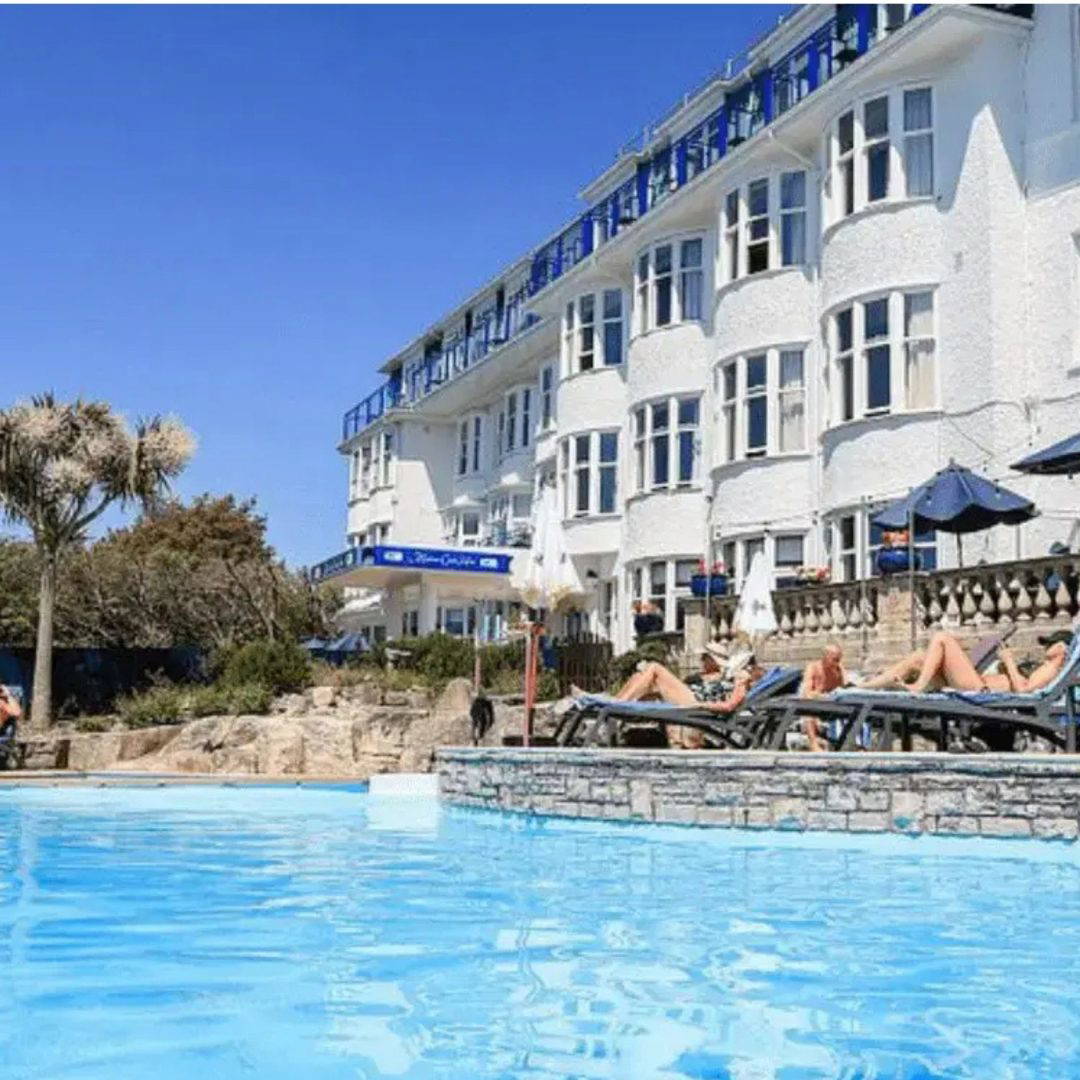
Marsham Court Hotel in Bournemouth is a good example of a mainstream hotel closing the accommodation gap properly, rather than treating accessibility as an afterthought. Despite operating from a building over a century old, the hotel offers a Changing Places toilet and shower room – installed by Astor Bannerman – alongside a dedicated sensory room, an i-swim pool hoist, accessible bedrooms, and reserved Blue Badge parking. It’s also gone further than most on pre-arrival transparency: guests can review a detailed AccessAble access guide, watch accessibility video tours, and take a virtual tour of the hotel before booking, so they can judge for themselves whether it suits their needs rather than relying on a generic “accessible” label. For a seaside hotel of its age, that combination of specialist equipment and genuine pre-booking clarity is exactly the kind of example other mainstream hotels – still overwhelmingly lacking this provision – could learn from.

Read about the Changing Places Toilet at Marsham Court Hotel

A small number of hotels are starting to close the gap in cheaper, faster ways than a full ceiling-track retrofit – Royal Lancaster London, for instance, now offers guests a bookable mobile hoist rather than requiring structural building work. But for most of the country, the choice remains between a handful of well-known hotels booked up months in advance, and specialist holiday cottages and lodges that are just as scarce and concentrated in a handful of locations.

AbleStay was London’s first fully accessible holiday home and includes 3 accessible bedrooms, 2 accessible bathrooms and a combination of ceiling and mobile hoists.

Read more about AbleStay holiday accomodation.

This is also where planning time multiplies. A family confident their destination and journey are accessible still has to separately establish that somewhere to sleep is too – and if it isn’t, the whole trip is off, however accessible everything else along the way turns out to be.

What next?

Try our interactive Changing Places Toilet opportunity review – a simple planning tool to you think about how a Changing Places Toilet could benefit your venue or business.

Learn more about accessible bathrooms for travel on one of our bespoke training sessions.

If you’re working on a project and want to ensure accessibility is considered from the outset, our team can help.

From early-stage consultation through to installation, we support architects, contractors, and estates teams in delivering accessible bathrooms and Changing Places Toilets in complex environments.